Focused arrival windows
Useful updates and clear arrival timing.
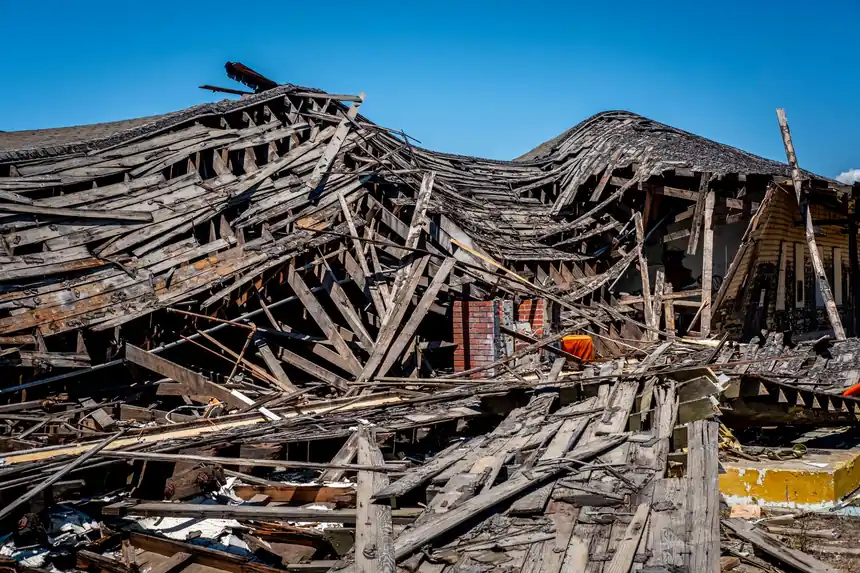
Water Damage Restoration in South Lake Worth Beach means stopping the water, pulling the moisture, and drying your home or business before mold gets a foothold. Our team lives and works in Palm Beach County, so we know the older homes near the Intracoastal, the low-lying blocks off Dixie Highway, and how fast a slab leak or burst pipe can soak a floor. We handle emergency water extraction, flood water removal, and full structural drying. One call and we are on the way.
Useful updates and clear arrival timing.
Review the approach and price before deciding.
Equipped vehicles and respectful cleanup.
Neighbors serving neighbors with follow-through.
South Lake Worth Beach sits between the Intracoastal Waterway and the Atlantic, and that geography shapes every water damage job we run here. Salt air, summer downpours, and a housing stock that mixes 1950s block homes with newer construction mean moisture problems show up in different ways block by block. We have worked the streets around Bryant Park, the historic district, and the neighborhoods off Federal Highway long enough to know which slabs hold water and which attics dry slow. Water Damage Restoration in South Lake Worth Beach is not a one-size job. We start with moisture detection, then move into emergency water extraction, structural drying, and dehumidification. Whether it is a washing machine leak in a Parrot Cove bungalow or a roof leak after a tropical system, we treat every call like it is our own neighborhood. Our team is licensed, insured, and on call 24/7.
Water damage in South Lake Worth Beach rarely waits for business hours. A supply line lets go under a kitchen sink, a storm pushes water through a door seal, or a water heater rusts out in a garage. We run emergency water extraction, flood water removal, and structural drying across the area, from the historic district to the blocks near Lake Worth Park of Commerce. If you are searching for water damage restoration near South Lake Worth Beach, this is the team that answers the phone.
When a pipe bursts at 3 a.m. in South Lake Worth Beach, we roll with extraction gear and drying equipment. We shut off the source if you cannot find the valve, pull standing water, and set up containment. Most emergency calls in this area come from older homes near the Intracoastal where supply lines and shutoffs have aged out.
View service →02Homes in Parrot Cove, Mango Groves, and the historic district have their own quirks: raised floors, crawl spaces, and original plumbing. We tailor residential drying to the build. That means moisture mapping before we place a single air mover, and daily readings so you know the house is actually drying, not just feeling dry.
View service →03Businesses along Dixie Highway and near the Park of Commerce cannot afford a multi-day shutdown. We work after hours, isolate the wet zone, and dry around inventory and equipment. Restaurants, retail, and small offices in South Lake Worth Beach get a drying plan built around their operating hours, not ours.
View service →04Standing water in a South Lake Worth Beach home needs to come out fast. We use truck-mounted and portable extractors to pull water from carpet, tile, and hardwood. In slab-on-grade homes near the beach, water can wick under baseboards within hours, so we extract and then check wall cavities the same visit.
View service →05Flood water in South Lake Worth Beach often carries silt and contaminants from street runoff. We treat it as Category 3 water, which means protective gear, proper disposal, and antimicrobial treatment after extraction. Low-lying blocks near the water and areas with poor drainage see this most during summer storms.
View service →06Standing water is a countdown clock. In South Lake Worth Beach, a few inches left over a weekend can soak subfloor and start mold. We remove standing water, check the source, and set drying equipment the same day. If the source is a slab leak, we coordinate with a plumber before we dry.
View service →07Burst pipes in South Lake Worth Beach tend to happen in older walls and under slabs. We find the affected zone with thermal imaging, extract water, and dry the wall cavities. If the pipe is still leaking, we isolate that section so drying can start while the repair is scheduled.
View service →08Slow plumbing leaks are the quiet ones. A pinhole leak behind a vanity in a South Lake Worth Beach condo can run for weeks before you see it. We use moisture meters and thermal cameras to trace the leak path, then dry the framing, drywall, and flooring it touched.
View service →09Ceiling stains in South Lake Worth Beach usually mean a roof leak or an upstairs supply line. We open the ceiling where needed, dry the joists and insulation, and check for hidden pockets. If the drywall is sagging, we remove the damaged section so air can reach the structure.
View service →Every job in South Lake Worth Beach starts with finding the water. We use thermal cameras and moisture meters to map the wet zone before we place a single air mover. From there we extract standing water, remove materials that cannot be saved, and set up structural drying. Most homes here are slab-on-grade or have crawl spaces, so we check both the floor and the wall cavities. We follow the IICRC S500 standard for drying, which means we document moisture readings daily and do not stop until the structure is dry. If your home was built before 1980, we also watch for asbestos and lead in materials we remove. Parking on the narrow streets near the beach can be tight, so we stage equipment in the driveway or coordinate with neighbors when needed. We work with your insurance adjuster and provide photos and moisture logs.
Homes near the Intracoastal in South Lake Worth Beach see more pinhole leaks and rusted supply lines than inland areas. That means more hidden leaks behind walls and under sinks, and more jobs where the source is not obvious. We use thermal imaging on every call to trace leaks behind walls and under slabs. If we find corrosion-related failures, we document them for your plumber and dry the affected area before mold can start.
The historic district and blocks near Bryant Park have homes from the 1920s through the 1950s. Cast iron drains crack, galvanized supply lines corrode from the inside, and shutoff valves often fail when you try to close them. We carry penetrating oil and replacement valves so we can isolate water without making the leak worse. If a shutoff fails, we know where the street-side valve is and can work with the city if needed.
Many South Lake Worth Beach homes and commercial buildings have flat or low-slope roofs. During afternoon thunderstorms, water ponds and finds every seam. Ceiling leaks show up far from the actual breach. We trace ceiling leaks back to the roof penetration, extract water from the ceiling assembly, and dry the attic. If the roof is still leaking, we tarp it until a roofer can make permanent repairs.
Slab-on-grade construction is common here. A slab leak can run for weeks before you notice a hot spot on the floor or a jump in your water bill. By then, the flooring and subfloor are often soaked. We use thermal imaging to find the warm spot and moisture meters to map the spread. We dry the flooring and subfloor, then coordinate with a plumber to stop the leak before we close anything up.
This code governs repairs and renovations in existing South Lake Worth Beach homes. When we remove water-damaged drywall or flooring, the repair must meet current code. We document what we remove so your contractor can rebuild to standard.
Florida law requires that mold remediation be done by a licensed mold assessor or remediator if the affected area exceeds 10 square feet. We handle the water damage and drying, and we coordinate with licensed mold professionals when remediation is needed.
This is the industry standard we follow for drying. It sets the criteria for when a structure is dry, how to document moisture readings, and how to handle contaminated water. Following it protects your insurance claim and your health.
South Lake Worth Beach has a specific set of water damage problems that come from its climate, building stock, and location. We see these again and again, and we know how to handle them.
Many homes in South Lake Worth Beach were built on concrete slabs with copper supply lines running underneath. Over decades, the copper corrodes and pinhole leaks form. The water has nowhere to go but up through the floor. We use thermal imaging to find the warm spot and moisture meters to map the spread. We dry the flooring and subfloor, then work with a plumber to stop the leak. We do not close anything up until the moisture readings are dry.
Summer thunderstorms and tropical systems drop a lot of rain in a short time. In low-lying blocks near the Intracoastal, water pools against doors and garage doors and finds its way in. The water is often contaminated with street runoff. We treat flood water as Category 3, which means protective gear and antimicrobial treatment. We extract the water, remove wet materials that cannot be saved, and dry the structure. We also help you document the damage for insurance.
Many South Lake Worth Beach homes and commercial buildings have flat roofs. During heavy rain, water ponds and finds weak spots at seams and penetrations. The leak often shows up on a ceiling far from the actual breach. We trace the leak back to the roof, extract water from the ceiling assembly, and dry the attic. If the roof is still leaking, we tarp it until a roofer can make permanent repairs. We document the moisture readings so you know when it is dry.
Homes close to the Intracoastal and the beach are exposed to salt air, which accelerates corrosion on metal pipes and fixtures. Supply lines under sinks and toilets fail more often here than inland. We inspect the visible plumbing during every water damage call and note any corrosion we see. If a shutoff valve fails, we know how to isolate the water. We dry the affected area and give you a list of what a plumber should address.
Most water damage jobs in South Lake Worth Beach fall into a predictable range. A small extraction and drying job, like a washing machine leak in a laundry room, typically runs $500 to $1,200. A larger job involving multiple rooms, hardwood floors, or a slab leak can run $2,500 to $6,000 or more. These are typical 2026 pricing ranges for this area. The biggest factors are how much water, how far it spread, and what materials got wet. Carpet and pad are cheaper to dry than hardwood or tile. If the water is contaminated, like from a toilet overflow or flood, the cost goes up because of disposal and disinfection. We give you a written estimate before we start, and we work with your insurance to cover what is covered.
Clean water from a supply line is the cheapest to handle. Gray water from a washing machine or dishwasher costs more because of potential contaminants. Black water from a toilet or flood requires protective gear, disposal, and disinfection, which adds labor and materials.
A single room is straightforward. When water spreads into hallways, closets, and adjacent rooms, we need more equipment and more days of drying. In South Lake Worth Beach, slab-on-grade homes can spread water farther because there is no basement to contain it.
Carpet and pad are the easiest to dry or replace. Hardwood floors, tile, and plaster walls take longer to dry and may need specialized equipment. If we have to remove and replace materials, that adds cost. We always try to save what we can.
South Lake Worth Beach is a compact area, but the streets near the water can be confusing if you do not know them. We use landmarks like Bryant Park and the Lake Worth Pier as orientation points when we dispatch. If you are giving us directions, tell us the nearest landmark and we will find you. We also know which streets flood first during summer storms, so we route around them.
Bryant Park sits along the Intracoastal Waterway and is a major orientation point for the surrounding neighborhood. If you are near the park, we know which streets lead in and where to stage equipment without blocking the boat ramp area.
The pier at the east end of Lake Worth Beach is a well-known landmark. It helps us orient calls near the beach and the streets that run west from the ocean. If you are near the pier, we know the quickest route to your block.
The golf club is a recognizable landmark on the south side of the area. It helps us locate calls in the surrounding residential streets and plan a route that avoids the busiest intersections during peak hours.
The Park of Commerce is a light industrial and commercial district in the area. It has warehouses, service businesses, and offices. We handle commercial water damage here, often after hours so businesses can stay open.
Downtown Lake Worth Beach is a walkable district with shops, restaurants, and offices. Water damage in these older buildings often involves second-floor leaks affecting ground-floor businesses. We work with property managers to minimize disruption.
The Tri-Rail station is a short drive from South Lake Worth Beach. It is a useful landmark for calls near the western edge of the area and helps us route around train crossings.
Federal Highway runs north-south through the area. We use it as a main route to reach calls quickly, especially when the smaller beach streets are congested or flooded.
We cover the full South Lake Worth Beach area, from the historic district to the blocks near the Park of Commerce. Every neighborhood here has its own mix of building ages and water risks. Below are a few we work in regularly.
The historic district has some of the oldest homes in South Lake Worth Beach, many with original plumbing and raised foundations. Water damage here often involves crawl spaces, original hardwood floors, and plaster walls that dry slowly. We know how to dry these materials without causing more damage. We are less than 10 minutes away and can be on site within 30 minutes for emergencies.
Parrot Cove is a mix of older bungalows and renovated homes near the Intracoastal. Salt air corrodes pipes, and the narrow streets can make equipment staging tricky. We have worked enough jobs here to know where to park and how to run hoses without blocking neighbors. We can reach Parrot Cove in about 15 minutes from our staging area.
Mango Groves has many mid-century block homes with terrazzo floors and flat roofs. After a storm, we see ceiling leaks and water intrusion at door thresholds. The terrazzo floors dry well, but the walls and ceilings need attention. We are about 10 minutes out and can usually be there within 30 minutes.
South Palm Park is close to the water and sees flood water intrusion during heavy rain and high tides. Many homes are on slab, so water spreads fast across the floor. We extract quickly and check the wall cavities before we set drying equipment. We can be on site in South Palm Park within 20 minutes for emergency calls.
These are real jobs we have done in South Lake Worth Beach. They show the range of water damage we handle and how we approach each one. Names and exact addresses are withheld for privacy.
A slab leak under a terrazzo floor in a 1950s home near Bryant Park sent water into the living room and hallway. The homeowner noticed a hot spot but no visible water. We used thermal imaging to locate the leak path and moisture meters to map the spread. We extracted water from the carpet in the hallway, dried the terrazzo and subfloor with air movers, and coordinated with a plumber to stop the leak. Daily readings confirmed the slab was dry. The home was dry in four days, and the terrazzo floor was saved. The homeowner avoided a full floor replacement.
A washing machine supply hose burst in a Parrot Cove bungalow while the owners were at work. Water ran for over an hour and soaked the laundry room, kitchen, and hallway. We extracted standing water, removed the wet vinyl in the kitchen, and dried the subfloor and wall cavities. We set up dehumidifiers and air movers, and took daily moisture readings. The laundry room cabinets were dried in place. The structure was dry in three days. The homeowners only had to replace the vinyl flooring, not the cabinets or drywall.
A commercial building in the Lake Worth Park of Commerce had a roof leak after a summer storm. Water came through the ceiling tiles and soaked the carpet in a tenant space. We worked after hours to extract water from the carpet, removed the wet ceiling tiles, and dried the ceiling grid and insulation. We set up containment to keep dust out of the adjacent units and documented everything for the property manager's insurance claim. The tenant space was dry and ready to reopen in two days. The property manager said the quick turnaround saved the tenant from a longer shutdown.
Our water heater leaked in the garage and we had no idea who to call. These guys answered on a Sunday, came out within the hour, and had the water extracted and drying equipment running before noon. They explained everything and worked with our insurance. The garage was dry in three days.
A pipe burst under our kitchen sink while we were on vacation. We came home to a soaked floor. They were at the house within 45 minutes of our call, extracted the water, and set up drying equipment. They also found a second leak we did not know about. Honest and thorough.
After a storm, water came in through our sliding doors and soaked the carpet in two rooms. They extracted the water and dried everything out. The crew was polite and moved our furniture carefully. They also gave us tips to prevent it from happening again. Would call them again.
South Lake Worth Beach has a wet season and a dry season, and each brings different water damage risks. Here is what we see month by month.
Spring brings the start of afternoon thunderstorms and the first heavy rains. We see roof leaks and water intrusion at doors. Humidity starts to climb, so drying takes a little longer. This is also when snowbirds leave, so vacant homes may have undetected leaks.
Summer is our busiest season for flood water removal and storm damage. Tropical systems and daily thunderstorms can dump inches of rain in hours. The heat and humidity make drying harder, and mold can start in less than 24 hours. We keep extra dehumidifiers on hand.
Fall is still wet, but the storms are less frequent. We see the aftermath of summer leaks: mold that started in July and is now visible, and wood floors that have cupped. This is a good time to fix the damage before the holidays.
Winter is our dry season, but cold snaps can cause problems. Exposed pipes on older homes can freeze and burst, especially on the north side of the house. We also see water heater failures as units work harder in cooler weather.
South Lake Worth Beach is part of a larger service area that includes several neighboring communities. We cover these areas from the same dispatch point, so response times stay short. If you are just outside South Lake Worth Beach, call us anyway. We likely serve your street.
Downtown is just north of South Lake Worth Beach and shares the same water infrastructure. We often work both areas on the same day.
Local coverage and details
The historic district overlaps with South Lake Worth Beach and has similar older housing stock. We serve both areas with the same crew.
Local coverage and details
Bryant Park is a landmark neighborhood on the Intracoastal, adjacent to South Lake Worth Beach. We respond to water damage calls there regularly.
Local coverage and detailsSouth Palm Park is a waterfront neighborhood just south of South Lake Worth Beach. It sees similar flood and humidity issues.
Local coverage and detailsNot every water damage company is the same. Some are franchises with out-of-town crews. Some do not follow the IICRC standard. Before you hire anyone in South Lake Worth Beach, ask these questions. The answers will tell you a lot.
Water damage restoration in Florida requires specific licensing and insurance. If they cannot show you a license and a certificate of insurance, do not let them work on your home. You could be liable if someone gets hurt.
The IICRC S500 is the industry standard for drying. If a company does not follow it, they may leave moisture behind and you could get mold. Ask them how they document drying and when they stop.
A good company uses moisture meters and thermal imaging, not just touch. They should take daily readings and show you the numbers. If they say it feels dry, that is not good enough.
Most water damage claims are covered by homeowners insurance. A company that works with adjusters and provides documentation will make the process smoother. Ask if they bill directly or if you have to pay upfront.
A local company should have local references. Ask for names of recent customers in the area. If they cannot provide any, they may not actually work here. We are happy to share ours.
IICRC
IICRC
$2M general liability and workers compensation
Member
Supporter
Most jobs run $500 to $1,200 for a small extraction and drying, and $2,500 to $6,000 for larger jobs involving multiple rooms or hardwood floors. The final cost depends on the water category, the size of the area, and the materials affected. We give you a written estimate before we start and work with your insurance.
Most homes dry in three to five days. In South Lake Worth Beach, the humidity can slow things down, so we may run dehumidifiers longer. We take daily moisture readings and do not pull equipment until the structure is dry to the IICRC S500 standard. If it takes longer, we tell you why.
Yes. We answer the phone 24/7 and aim to be on site within 60 minutes for emergencies in South Lake Worth Beach. Whether it is a burst pipe at 2 a.m. or a storm flood on a weekend, we have crews available. Call (561) 760-4158.
Yes. After a hurricane, we mobilize to extract flood water, remove contaminated materials, and dry the structure. We prioritize occupied homes and vulnerable residents. We also document everything for your insurance claim. Call us as soon as it is safe to do so.
Shut off the water if you can find the valve. If the water is from a storm or toilet, do not walk through it. Move furniture and electronics away from the wet area if it is safe. Take photos for your insurance. Then call us at (561) 760-4158 and we will walk you through the next steps.
Not seeing your question? Our local team can help you understand urgency, scheduling and what to expect.
Ask the local team
We answer the phone 24 hours a day, every day of the year. Call (561) 760-4158 and a technician will take your address, ask what happened, and dispatch a crew. Most Lake Worth Beach addresses see a truck within 60 to 90 minutes. If water is still running, shut the supply valve first, then call.