Focused arrival windows
Useful updates and clear arrival timing.
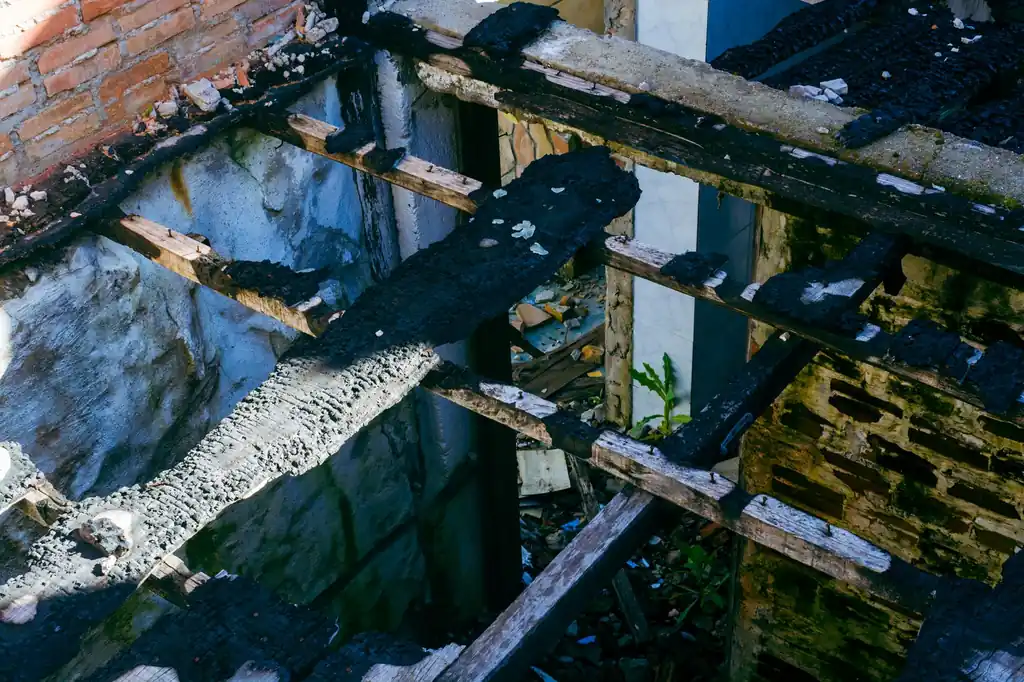
Hardwood Floor Water Damage Drying in Lake Worth Beach is what we do when a burst pipe, appliance leak, or storm pushes water into your wood floors. We pull the water out, dry the boards and subfloor, and check moisture with meters before we call the job done. If you live in Parrot Cove, College Park, or anywhere in Lake Worth Beach, Florida, call (561) 760-4158 and we will be on our way.
Useful updates and clear arrival timing.
Review the approach and price before deciding.
Equipped vehicles and respectful cleanup.
Neighbors serving neighbors with follow-through.
Every job includes the core steps to dry your hardwood and subfloor. If we find mold or damaged boards, we will tell you and price that work separately before we do it.
We check the floor with pin and pinless meters and a thermal camera to find every wet area. You see the readings. This tells us where to place equipment and how long drying will take.
We remove standing water from the floor surface and seams with extraction equipment. For a typical room, this takes 30 to 60 minutes. We do not leave water sitting while we set up dryers.
We place commercial air movers along walls and a dehumidifier in the room. Equipment runs 24 hours a day until the floor reads dry. We check and adjust placement daily.
We take moisture readings every day and log them. You get a clear picture of progress. If drying slows down, we adjust equipment or add more. We do not guess.
When the floor and subfloor hit a dry baseline, we write up the final readings and take photos. You get a report you can send to your insurance company. We pull equipment only after the numbers are right.
Share what is happening and receive a clear next step from the local team.
Hardwood Floor Water Damage Drying in Lake Worth Beach is the controlled removal of moisture from wood planks, subfloor, and the air around them before boards cup, crown, or buckle. Wood soaks up water through the seams and end grain. Once it swells, sanding and refinishing may not be enough. We use moisture meters and thermal cameras to map exactly where the water traveled, then set drying equipment to pull it back out. The goal is simple: save the floor you already have.
In Lake Worth Beach, most wood-floor water calls come from three things: a water heater letting go in a hallway closet, a washing machine supply line bursting behind the wall, and rain pushing under a door during a summer storm. We also see slab leaks in older homes near the Historic District. If you are searching for emergency water extraction near me after a leak, the first 24 to 48 hours decide whether your floor dries flat or gets torn out.
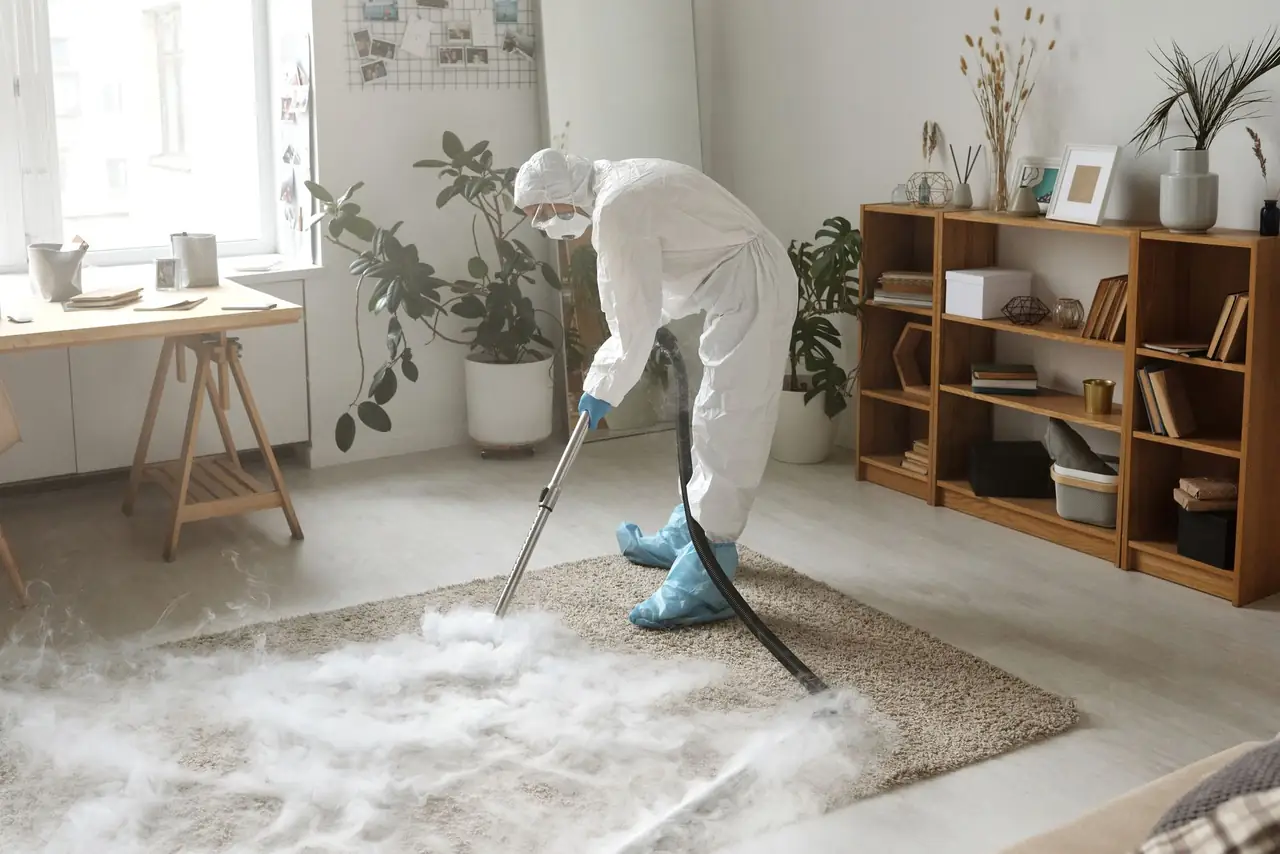
You call (561) 760-4158 and tell us what happened. We ask where the water came from, how long it has been sitting, and whether the floor is still wet to the touch. We dispatch a crew and give you a straight answer on arrival time. Most calls in Lake Worth Beach get a same-day response.
We walk the floor with a moisture meter and a thermal camera to find the wet zone. We check the subfloor, baseboards, and the wall cavity behind the leak. This takes 20 to 40 minutes and tells us exactly where to place equipment. You see the readings on the meter.
Standing water comes out first with a truck-mount or portable extraction unit. We use weighted extraction heads on wood to pull water from the seams without gouging the finish. For a typical 200-square-foot room, extraction takes 30 to 60 minutes.
We set air movers along the walls and a commercial dehumidifier in the room. The equipment runs 24 hours a day, and we check moisture readings every day. Most hardwood floors dry in three to five days. You can stay in the home; the equipment is loud but safe.
We do not pull equipment until the wood and subfloor read dry against a baseline from an unaffected area. We show you the final numbers, take photos for your records, and leave a written drying report. If your insurance needs documentation, we provide it.
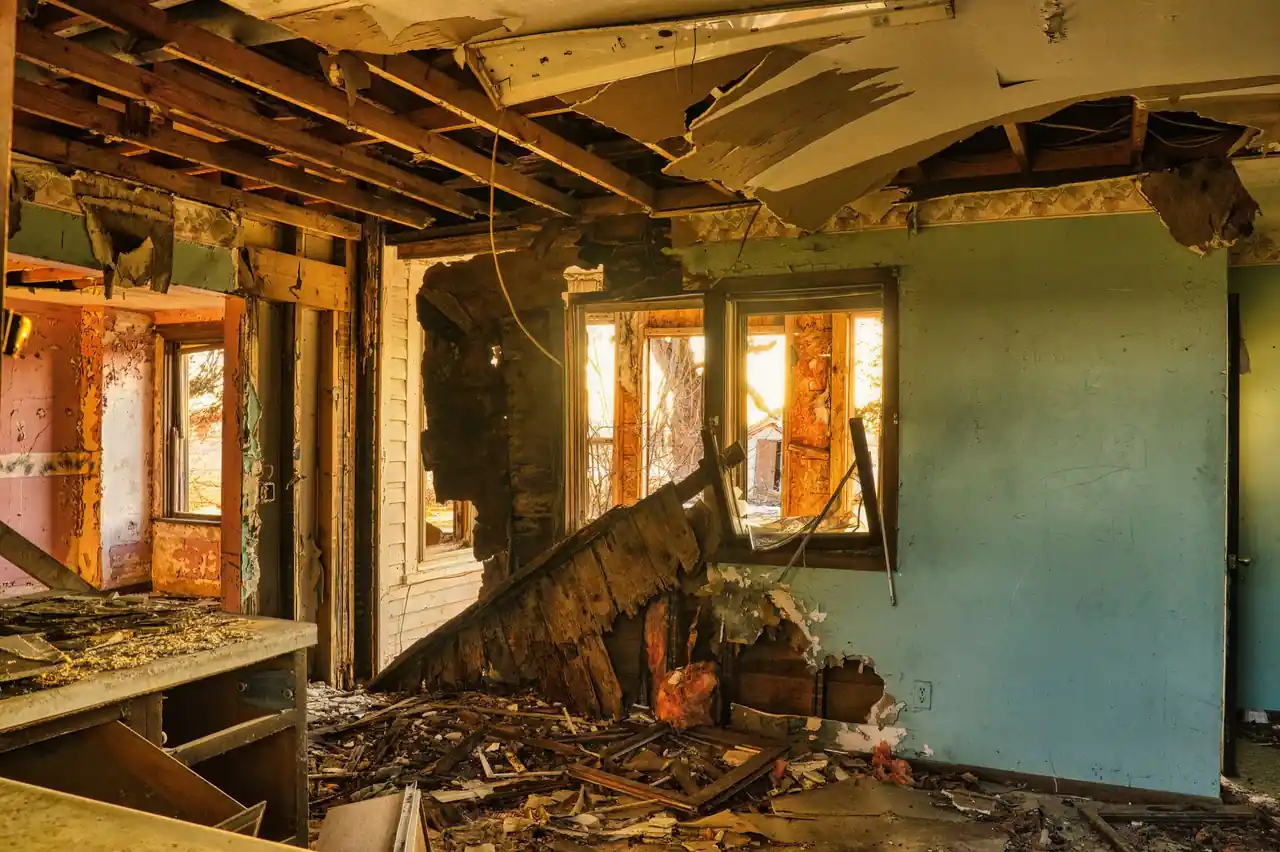
We use these to measure moisture content in the wood and subfloor without pulling up boards. Pin meters read deep, pinless meters scan a wider area. Together they tell us exactly where the water is.
A thermal camera shows temperature differences that reveal hidden moisture behind walls and under floors. We use it to find water that has traveled away from the visible leak.
This pulls standing water out of the floor fast. We use weighted extraction heads on hardwood to remove water from the seams without damaging the finish.
Air movers push air across the floor surface to speed evaporation. We place them along walls and aim them at the wet zone, then adjust placement as the floor dries.
Dehumidifiers pull moisture out of the air so wet wood can release its water. We size the unit for the room and run it 24 hours a day until the floor reads dry.
We use this to check surface temperatures and confirm that air movers are reaching the wet areas. It helps us catch cold spots that suggest hidden moisture.
We follow the IICRC S500 standard for water damage restoration. It sets the drying goals, monitoring schedule, and documentation requirements we use on every hardwood floor job in Lake Worth Beach.
We take moisture readings every day and log them. If the floor is not drying as fast as it should, we adjust equipment or add more. You see the numbers, not just our word.
We compare wet areas to an unaffected part of the same floor to set a dry goal. This tells us when the wood is truly dry, not just dry to the touch.
We aim air movers at the seams and edges where water enters the wood. This speeds drying at the source instead of just blowing air around the room.
We shut off the water, extract the standing water, and set air movers and a dehumidifier in the hallway. We check the subfloor and the wall behind the heater for moisture. The floor dries flat in three to four days, and you avoid replacing the hallway boards.
We extract water from both rooms, dry the hardwood and subfloor, and document everything for your insurance claim. We check the cabinet base and wall cavity too. The wood floor reads dry in four to five days, and your claim has the photos and moisture logs it needs.
We dry the wet edge and the subfloor with directed airflow, then check the door seal and the wall cavity. We monitor the floor daily until it hits a dry baseline. The floor edge stays flat, and you avoid the cupping that shows up a week after a storm.
We map the moisture with a thermal camera, dry the hardwood and subfloor, and document the affected area. We also check the baseboards and wall bottoms. You get a dry floor and a written report that shows the leak damage for your insurance or repair planning.
Lake Worth Beach humidity runs high most of the year, and that changes how wood floors dry. In October, we are still in the rainy season, so we see storm-driven water intrusion and appliance leaks from homes that have been closed up with the AC running. From November through March, the air is drier, and floors dry faster, but we still run dehumidifiers because indoor humidity stays high. Older homes in the Historic District and Parrot Cove often have original oak floors over plank subfloors. Those assemblies hold water differently than modern plywood subfloors, so we adjust airflow and drying time. If you need hardwood floor water damage drying near me in Lake Worth Beach, we know the building stock and the weather that causes the damage.
Many homes here have original oak floors over plank subfloors. These floors dry slower and need longer monitoring than modern builds.
Older homes close to the water see more humidity. We run dehumidifiers longer here to keep the floor from reabsorbing moisture.
A mix of older and updated homes. We often find engineered hardwood over concrete slab, which needs a different drying approach.
Mixed-use buildings and condos. We coordinate with property managers and dry floors in units above commercial spaces.
Newer construction with plywood subfloors. These dry faster, but we still check the subfloor daily to confirm.
Wood floors in Lake Worth Beach absorb moisture from the air even after the visible water is gone. We run dehumidifiers until the floor hits a dry baseline, not just until it feels dry.
Rain pushes under doors and windows during afternoon storms. We dry the floor edge and the subfloor together to prevent cupping that shows up days later.
Original oak floors over plank subfloors hold water longer. We extend drying time and monitor with pin meters to make sure the deeper wood is dry.
Some Lake Worth Beach homes have wood floors over concrete slab. Water trapped between the wood and slab needs targeted drying and longer equipment run times.
A washing machine supply line burst and sent water across a 200-square-foot oak hallway. The floor was wet to the touch, and the subfloor read 28 percent moisture content. The homeowner was ready to replace the floor.
We extracted the standing water, set three air movers and a dehumidifier, and monitored daily. Five days later, the wood read 8 percent and the subfloor read 10 percent. The floor stayed flat and did not need replacement.
Maintenance: We recommended replacing the rubber supply lines with braided stainless steel and checking them twice a year. The homeowner also added a water alarm under the washing machine.
A 12-year-old water heater let go in a laundry room closet and soaked the wood floor in the laundry room and part of the kitchen. The floor was cupped along two seams, and the baseboard was wet.
We removed the water, dried the floor and subfloor for four days, and dried the baseboard and wall cavity. The cupping flattened, and the final moisture readings matched a dry baseline. The homeowner kept the original floor.
Maintenance: We told the homeowner to flush the new water heater once a year and watch for any moisture near the base. A pan under the heater now catches small leaks before they reach the floor.
A summer storm pushed rain under a sliding glass door in a condo and soaked the wood floor along an 8-foot edge. The floor edge swelled, and the subfloor read 24 percent moisture content.
We dried the edge and subfloor with targeted airflow and a dehumidifier. Four days later, the wood read 9 percent and the edge was flat. We also dried the wall cavity behind the door.
Maintenance: We recommended new door sweeps and a seal check before next summer. The owner now puts a towel down during storms and checks the floor edge afterward.
Water damage to wood floors shows up in predictable ways. Here is what we fix and what happens if you wait.
The edges of each board rise and the floor feels uneven. If the subfloor stays wet, cupping gets worse and the finish can crack. We find the wet zone with moisture meters, dry the boards and subfloor with directed airflow, and monitor daily until the wood flattens. Most cupped floors dry in three to five days if we start within 48 hours.
Boards pull away from the subfloor and create a visible hump. Walking on it can crack the finish and loosen more boards. We extract the water, dry the subfloor, and check whether the boards can be re-secured. If the damage is too far along, we document it for insurance and help you plan replacement.
Mold can grow on wet wood and subfloor within 24 to 48 hours. The smell lingers even after the surface feels dry. We dry the floor structure, check the cavity below with a moisture meter, and treat affected areas. If mold is present, we handle it as part of the drying plan and document it for your records.
Rain pushes under the door and soaks the wood edge. That edge swells and the floor starts to lift. We dry the edge and the subfloor with targeted airflow, then check the door seal. We also dry any wall cavity that took on water so the floor edge does not reabsorb moisture.
$500 - $3,500 depending on scope
Typical 2026 pricing for hardwood floor water damage drying in Lake Worth Beach runs $500 to $1,500 for a single room, and $1,500 to $3,500 for multiple rooms or a soaked subfloor. The price depends on square footage, how long the water sat, and whether we need to dry the subfloor or wall cavity. We give you a range before we start, and you approve it. If the job turns out smaller than expected, the price drops. We do not pad the bill.
Replacing a hardwood floor costs $6,000 to $12,000 for a single room. Drying usually costs a fraction of that. If we can save your floor, you come out ahead. If we cannot, we tell you before you spend money on drying.
A 100-square-foot bathroom floor costs less to dry than a 400-square-foot living room. More area means more air movers and a larger dehumidifier, which raises the price.
Water that has been sitting for more than 48 hours has soaked deeper into the wood and subfloor. Drying takes longer and costs more. Fast action keeps the price down.
If water passed through the hardwood and soaked the subfloor, we need to dry both layers. That adds equipment and time, which increases the cost.
Water often travels from the source into a hallway or adjacent room. Each additional room needs its own equipment setup and daily monitoring.
If mold is present on the wood or subfloor, we treat it as part of the drying plan. That work is priced separately and documented for your insurance.
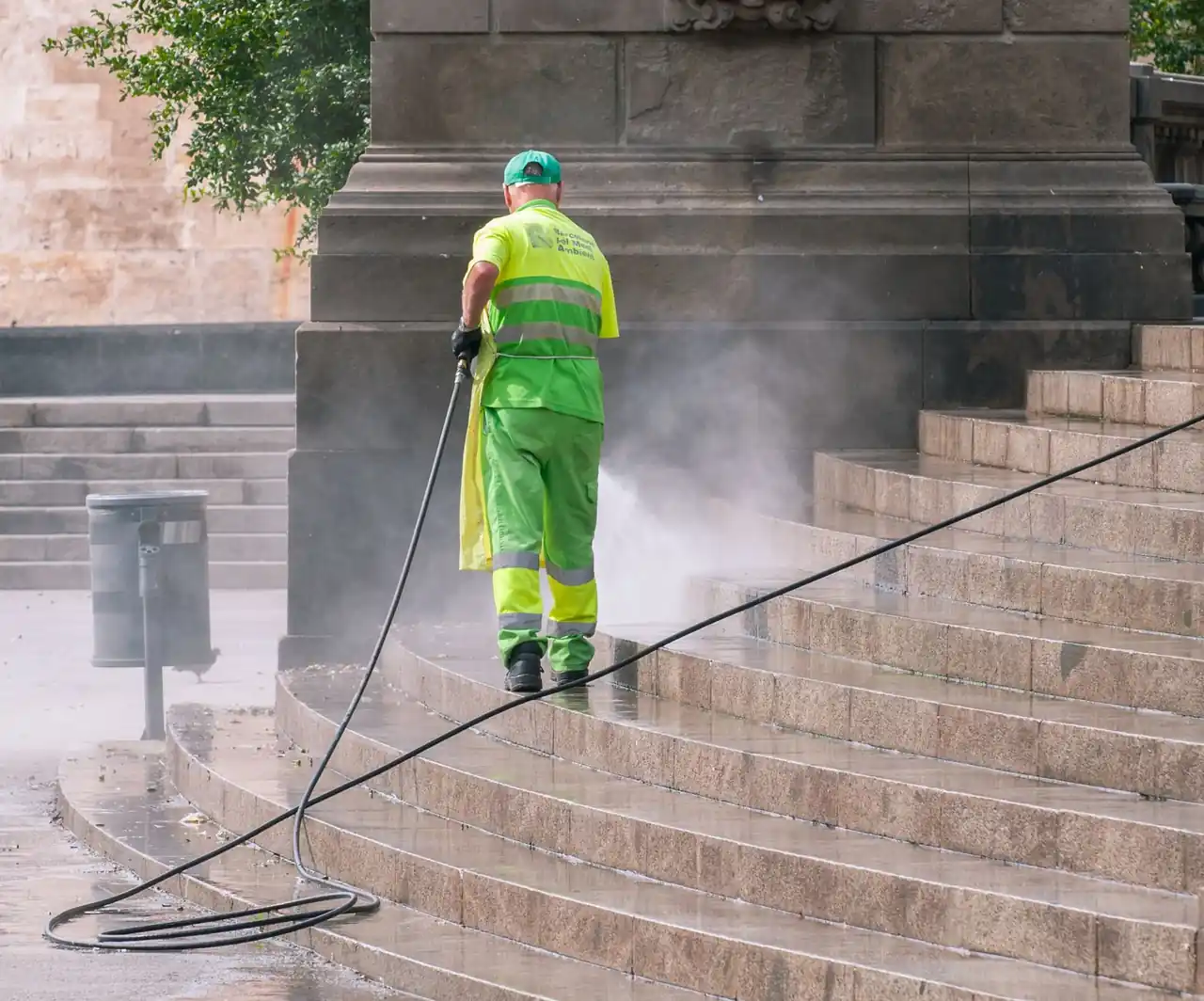
Our technicians are trained in water damage restoration and structural drying, and we follow the IICRC S500 standard for every job. We work on wood floors in Lake Worth Beach every week, from 1920s bungalows in the Historic District to newer builds in Sunset Ridge. We know how Florida humidity changes drying times, and we adjust equipment placement and run times to match. We carry moisture meters, thermal cameras, and commercial dehumidifiers on every truck. If your floor can be saved, we will tell you. If it cannot, we will tell you that too, and help you plan the next step.
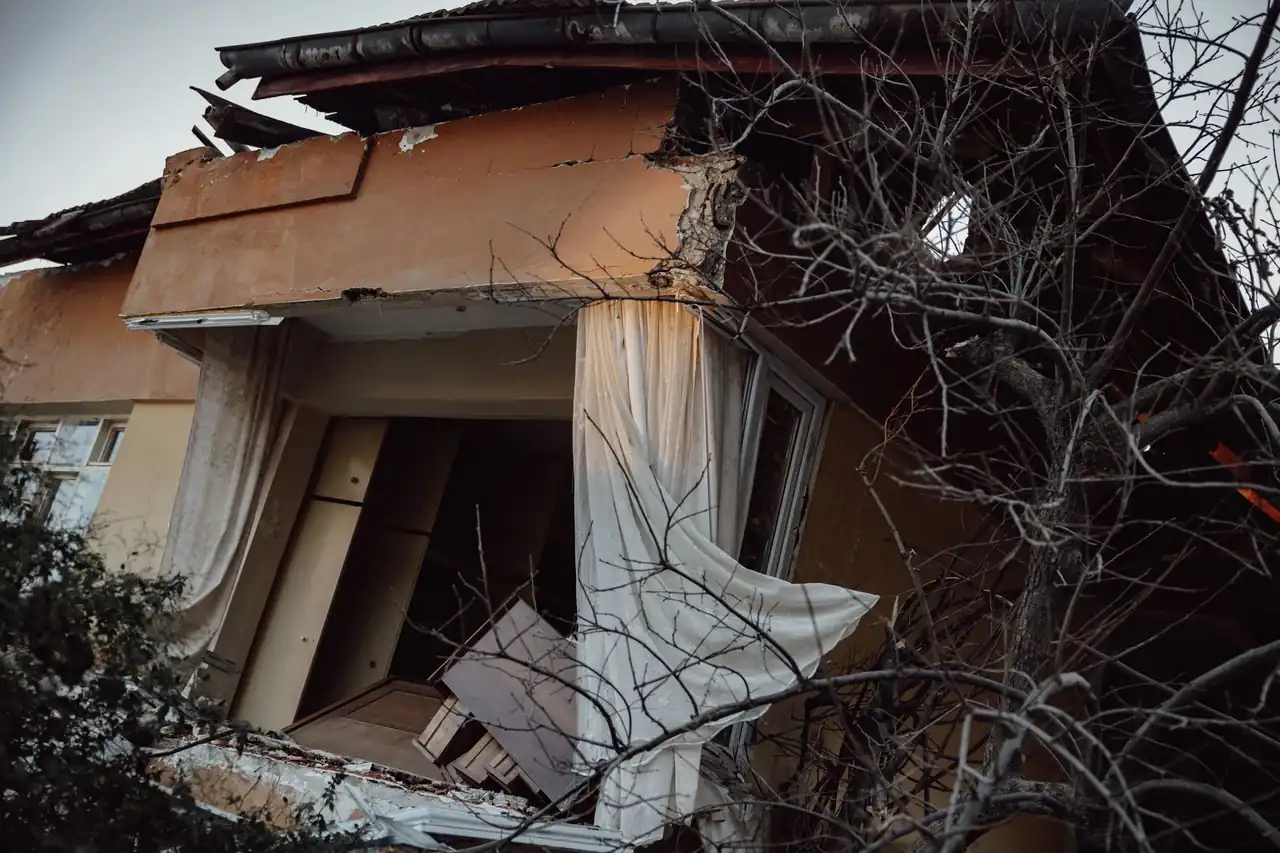
Our washing machine line burst and water ran across the oak floor in the hallway. They showed up the same afternoon, pulled the water out, and set up dryers. Four days later the floor was flat and the moisture meter read dry. They saved us from replacing the whole hallway.
A water heater leak soaked the wood floor in our laundry room and part of the kitchen. The crew documented everything for our insurance and checked the floor every day. They were straight with us about what could be saved and what could not. No surprises on the bill.
We manage several older rentals near the Historic District, and wood floors are always a worry. They dried a cupped floor in one of our units in five days. The tenant stayed in the home, and the floor did not have to be replaced. We call them first now.
Most single-room hardwood drying jobs in Lake Worth Beach run $500 to $1,500 in 2026. The price depends on square footage, how long the water sat, and whether the subfloor is wet. A small bathroom floor might be $500. A 400-square-foot living room with a soaked subfloor can reach $1,500. We give you a range before we start.
Most hardwood floors dry in three to five days with commercial air movers and dehumidifiers running 24 hours a day. Thick solid oak over a wet subfloor can take five to seven days. We check moisture readings daily and do not pull equipment until the wood reads dry against an unaffected baseline.
Cupped floors can often be saved if drying starts within 24 to 48 hours. We dry the boards and subfloor, then let the wood settle. If the cupping is mild, it may flatten on its own. If boards are buckled or the finish has peeled, replacement is usually the better call. We tell you which one you are looking at after the inspection.
Yes. We document moisture readings, photos, and equipment logs, and we provide a written drying report you can send to your adjuster. Most homeowner policies cover sudden water damage from a burst pipe or appliance leak. We do not adjust your claim, but we give you the paperwork your insurance company asks for.
Not seeing your question? Our local team can help you understand urgency, scheduling and what to expect.
Ask the local team
When water hits your hardwood, the whole room is affected, not just the floor. We handle emergency water damage restoration in Lake Worth Beach, including extraction, drying, and repairs, so your floors and walls dry together.
View service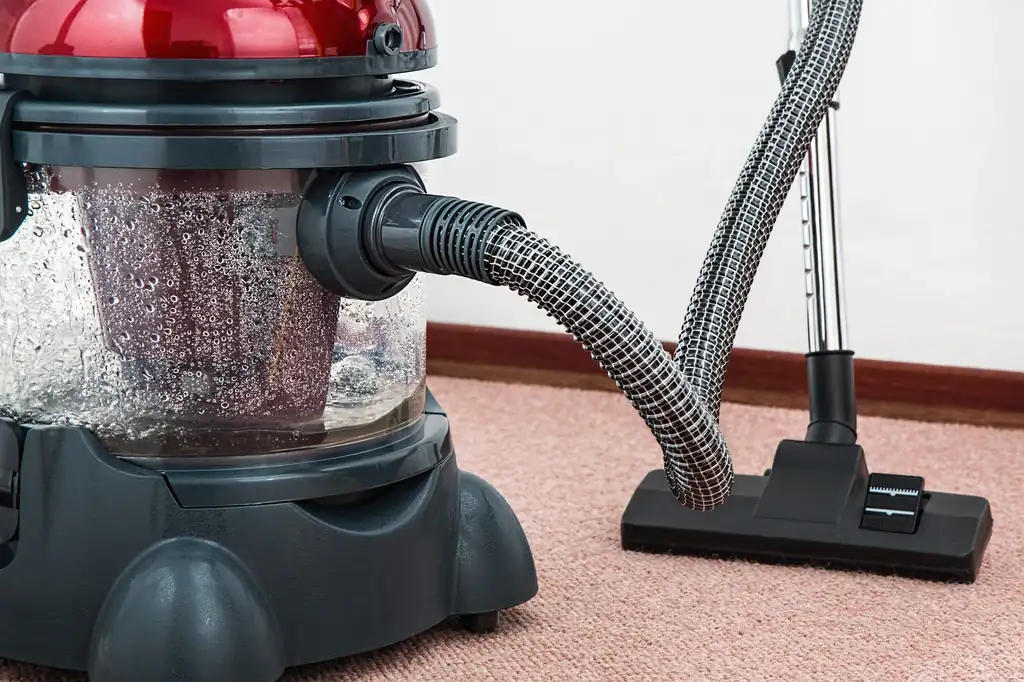
Most hardwood floor water damage in Lake Worth Beach happens in homes. Our residential water damage restoration service covers houses, condos, and townhomes, from the initial call to the final moisture check.
View serviceRestaurants, offices, and retail spaces in Downtown Lake Worth Beach often have hardwood or engineered wood floors. We dry commercial spaces after hours to keep your business open and your floors protected.
View service
Standing water on hardwood needs to come out fast. Our emergency water extraction removes water from the floor surface and seams before it soaks deeper into the subfloor.
View serviceWe answer the phone 24 hours a day, every day of the year. Call (561) 760-4158 and a technician will take your address, ask what happened, and dispatch a crew. Most Lake Worth Beach addresses see a truck within 60 to 90 minutes. If water is still running, shut the supply valve first, then call.