Focused arrival windows
Useful updates and clear arrival timing.
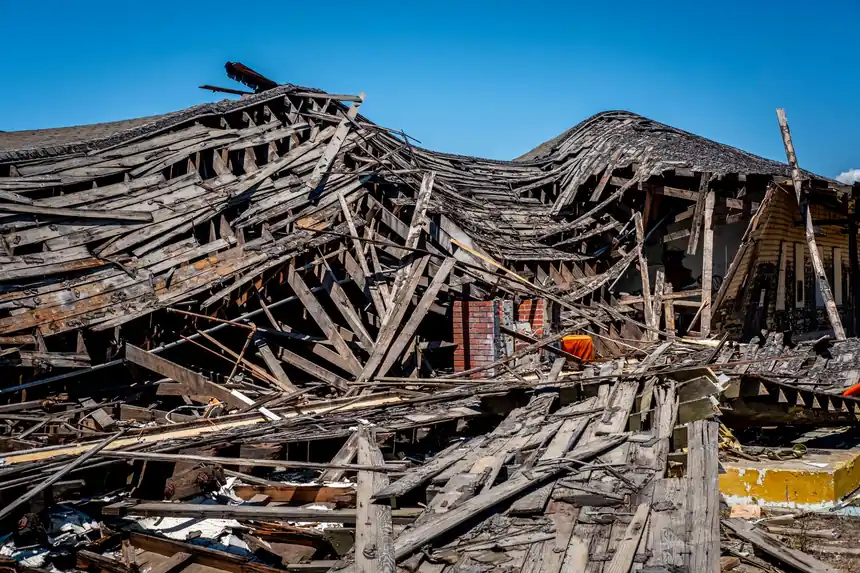
Water Damage Restoration in College Park means getting the water out fast and the structure dry before mold sets in. We run 24/7 emergency calls across College Park and the surrounding Lake Worth Beach neighborhoods, from burst pipes to hurricane flooding. Our technicians handle extraction, structural drying, and moisture detection with commercial-grade equipment. One call and we are on the way.
Useful updates and clear arrival timing.
Review the approach and price before deciding.
Equipped vehicles and respectful cleanup.
Neighbors serving neighbors with follow-through.
College Park sits in the older grid of Lake Worth Beach, where 1950s block homes and mature oaks share streets with newer renovations. That mix means we see everything from galvanized supply lines finally giving out to cast iron drains backing up after a heavy rain. We have worked this neighborhood long enough to know which blocks flood first when the afternoon storms roll through. Our team handles emergency water extraction, structural drying, and moisture detection for homeowners, landlords, and small businesses across College Park. Water Damage Restoration in College Park is not a side job for us. It is the work we do here every week. When your water heater lets go at 2 a.m. or a storm pushes water under your door, we are the crew that shows up with truck-mounted extractors and refrigerant dehumidifiers, not a shop vac and a promise.
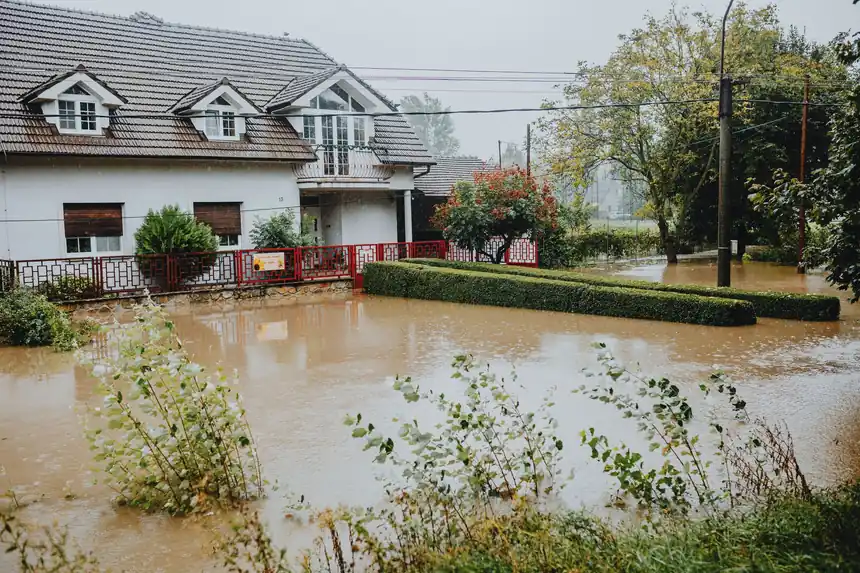
College Park sees a steady mix of plumbing failures, storm intrusion, and appliance leaks. The older homes here mean older pipes, and the summer storms mean water finds its way in. We bring the full range of water damage restoration services to College Park, from emergency extraction to full structural drying. If you are searching for water damage restoration near me in College Park, we are already in the neighborhood.
When a pipe bursts in College Park at 2 a.m., we roll with truck-mounted extractors and moisture meters. We handle the emergency call, stop the water source if needed, and start extraction immediately. Most College Park homes get a technician on site within the hour.
View service →02College Park homes range from 1950s block construction to newer renovations. We tailor drying plans to the building type, using less aggressive methods on older plaster and more airflow on modern drywall. Every job includes moisture mapping and daily drying logs.
View service →03College Park has small retail and office spaces along the main corridors. A commercial water damage job here means minimizing downtime. We work after hours when needed, extract standing water fast, and set up drying equipment that lets you reopen the next morning whenever possible.
View service →04Standing water in a College Park home needs to come out now. We use portable and truck-mounted extraction units to pull water from carpet, hardwood, and tile. In most College Park jobs, we remove the bulk of standing water within the first two hours on site.
View service →05When storms push water into College Park streets and yards, it often finds a way into garages and ground-floor rooms. We remove flood water, extract from hard surfaces, and treat affected areas to prevent bacterial growth. We also check crawl spaces and slab edges for trapped water.
View service →06Standing water in a College Park home is a countdown to mold. We remove it with high-capacity pumps and extractors, then check wall cavities and subfloors for hidden moisture. If the water has been sitting more than 24 hours, we treat for contamination before drying.
View service →07Burst pipes in College Park often happen in older galvanized or copper lines. We shut off the water, extract the spill, and dry the structure. We also document the damage for your insurance claim and can recommend a licensed plumber for the repair.
View service →08Slow leaks behind College Park walls can soak framing for months before you see a stain. We use thermal imaging and moisture meters to find the source, extract any standing water, and dry the wall cavities. We do not just dry the surface and leave.
View service →09Ceiling water damage in College Park usually comes from roof leaks or upstairs plumbing. We dry ceilings from below using directed airflow and dehumidification. If the drywall is sagging, we remove the damaged section, dry the framing, and prepare for repair.
View service →Every College Park job starts with a moisture map. We walk the home with thermal imaging and pin meters, mark wet zones, and set up a drying plan. Most homes here are single-story block or wood-frame construction, so we can often dry from inside the room without major demolition. We follow IICRC S500 standards for water damage restoration, which means we classify the water, determine the class of loss, and dry to a documented standard. Parking can be tight on the narrower College Park streets, so we stage our truck as close as possible and run hoses through the nearest door. If you are searching for water damage restoration near me in College Park, we are already in the neighborhood. We handle the extraction, set up the drying equipment, and come back daily to check moisture levels. You get a dry home and a written drying log for your records.
These pipes corrode from the inside and can burst without warning. When they let go, water often runs inside walls and under floors before you see it. The damage can be hidden for days. We use thermal imaging to find the leak path, extract water from wall cavities, and dry the framing. We also document the damage for insurance and recommend a licensed plumber for the repair.
When the ground is saturated, water can push up through slabs and into crawl spaces. This is common in low-lying parts of College Park after heavy rain. It can flood a garage or ground-floor room quickly. We bring high-capacity pumps for standing water, then use dehumidifiers to pull moisture from the air and materials. We also check the vapor barrier and treat for mold if the water has been sitting.
Our truck and equipment need to get close to the house. On some College Park streets, that means parking a block away and running longer hoses. It slows us down if we are not prepared. We scope the address before we arrive and bring the right length of hose and cord. Our technicians are used to working in tight spaces and can set up quickly without blocking neighbors.
This code governs repairs and renovations in older College Park homes. When we dry a structure, we document the moisture levels and any damaged materials so your contractor can pull the right permits for repairs.
We follow this standard on every College Park job. It tells us how to classify water, how to dry different materials, and when to remove and replace. It is the industry benchmark for a reason.
College Park has its own set of water damage problems. The older housing stock, the high water table, and the storm season all play a role. Here are the issues we see most often.
Many College Park homes still have galvanized steel or original copper pipes. These corrode over time and can burst without warning. The leak often happens inside a wall, so you may not see it until the damage is done. We use thermal imaging to find the leak path, extract water from the wall cavity, and dry the framing. We also document the damage for your insurance claim.
College Park has many homes with terrazzo floors over a slab. A slab leak can go undetected for months, slowly soaking the subfloor and causing mold. The only sign might be a hot spot or a high water bill. We use thermal imaging and moisture meters to locate the leak. We then dry the subfloor with directed airflow and work with a plumber to repair the line.
College Park is close to the coast and gets heavy summer storms. Water can push under doors, through window frames, and into garages. If the ground is saturated, it can also come up through the slab. We extract the water, dry the affected areas, and treat for bacteria if needed. We also check for hidden moisture in walls and under floors.
Washing machines, dishwashers, and refrigerators all have water lines that can fail. In College Park, many of these appliances are in older homes with original plumbing. A small leak can soak cabinets and floors. We pull the appliance, extract the water, and dry the surrounding structure. We also check for mold in the cabinet base and behind the unit.
Typical 2026 pricing for water damage restoration in College Park depends on the size of the job and the materials affected. A small extraction and drying job for a single room might run $1,200 to $2,500. A larger job with multiple rooms and demolition can run $4,000 to $8,000 or more. We provide a written estimate before we start, and we work with your insurance company to document the damage. If you are comparing water damage restoration services in College Park, ask for a breakdown of extraction, drying, and monitoring costs. We do not add hidden fees.
The more square footage that is wet, the more equipment and time it takes to dry. A single room is faster and cheaper than a whole floor. We measure the affected area and price accordingly.
Clean water from a supply line is easier to handle than category 3 water from a toilet overflow or flood. Contaminated water requires removal of affected materials and antimicrobial treatment, which adds cost.
Carpet, hardwood, drywall, and plaster all dry at different rates. Some materials can be saved, others need to be removed. We assess the materials and explain your options before we start.
College Park is easy to navigate once you know the landmarks. We use the park itself as a central reference point, then work off the main cross streets. The neighborhood is compact, so we can usually hit two or three jobs in a day without much windshield time. If you are giving us directions, mention the nearest park or school and we will find you.
The park itself is the center of the neighborhood. We use it as a reference point for addresses on the surrounding streets. If you are near the park, we know exactly where to go.
The city name helps orient us to the broader area. College Park is part of Lake Worth Beach, so we use the city boundary to route our trucks efficiently.
We use the county grid to navigate to College Park from our base. The county roads are our main arteries, and they get us close to the neighborhood quickly.
A small strip of retail and service businesses along the main road through College Park. We handle commercial water damage calls here when a pipe bursts or a roof leaks. We work after hours to minimize downtime.
A nearby business park with warehouses and light industrial spaces. We serve this area for commercial water damage restoration, including standing water removal and structural drying.
About 10 minutes from College Park. We use the station as a reference point for calls near the eastern edge of the neighborhood.
The closest highway access. We use it to reach College Park quickly from the north or south.
College Park is a tight-knit neighborhood with a mix of older homes and newer renovations. We run calls across the entire area, from the streets near the park to the blocks closer to the commercial corridor. If you are in College Park, we can get to you fast.
The core of College Park is mostly single-family homes built in the 1950s and 1960s. Many still have original plumbing and terrazzo floors. When a pipe leaks, the water can travel under the terrazzo and soak the subfloor without showing on the surface. We are usually on site within 30 to 45 minutes from our Lake Worth Beach base.
The northern edge of College Park has a mix of single-family homes and small apartment buildings. Rental properties here see more frequent water heater and washing machine leaks. Property managers call us because we document everything for the owner. Access is straightforward from the main roads, and we can usually arrive in under 40 minutes.
The south side of College Park is closer to the commercial corridor and has more traffic. Homes here are a mix of older block construction and some newer builds. We see more slab leaks and irrigation line breaks in this area. We route through the main arteries and can be on site in 30 to 50 minutes depending on traffic.
The eastern part of College Park borders other Lake Worth Beach neighborhoods. The housing stock is similar, but lots tend to be slightly larger. We see more roof leaks and storm-related water intrusion here after hurricanes. We can reach most of eastern College Park in about 35 to 45 minutes from our shop.
These are real jobs we have done in College Park. They show what we deal with and how we solve it. Every home is different, but the approach is the same: find the water, get it out, and dry the structure.
A burst pipe under the kitchen sink flooded a 1950s College Park home while the owners were at work. Water ran through the cabinet and into the hallway. We arrived within 40 minutes, shut off the water, and extracted standing water from the kitchen and hallway. We removed the wet cabinet base, set up air movers and a dehumidifier, and dried the subfloor over three days. The homeowners avoided a full cabinet replacement. Moisture readings returned to normal in 72 hours, and the insurance claim was approved without issue.
A hurricane pushed water under the back door of a College Park home, soaking the carpet in two rooms. The owners called us the next morning. We extracted the water from the carpet and pad, removed the wet pad, and dried the carpet in place. We also treated the area for bacteria and checked the walls for wicking moisture. The carpet was saved, and the owners only had to replace the pad. Drying was complete in four days, and no mold was found.
A slab leak in a College Park home had been soaking the subfloor for weeks. The owners noticed a hot spot on the floor and a rising water bill. We used thermal imaging to locate the leak, extracted water from under the flooring, and dried the subfloor with directed airflow. We worked with a licensed plumber to repair the line. The subfloor was dried without full replacement. The plumber fixed the leak, and the owners avoided a major renovation.
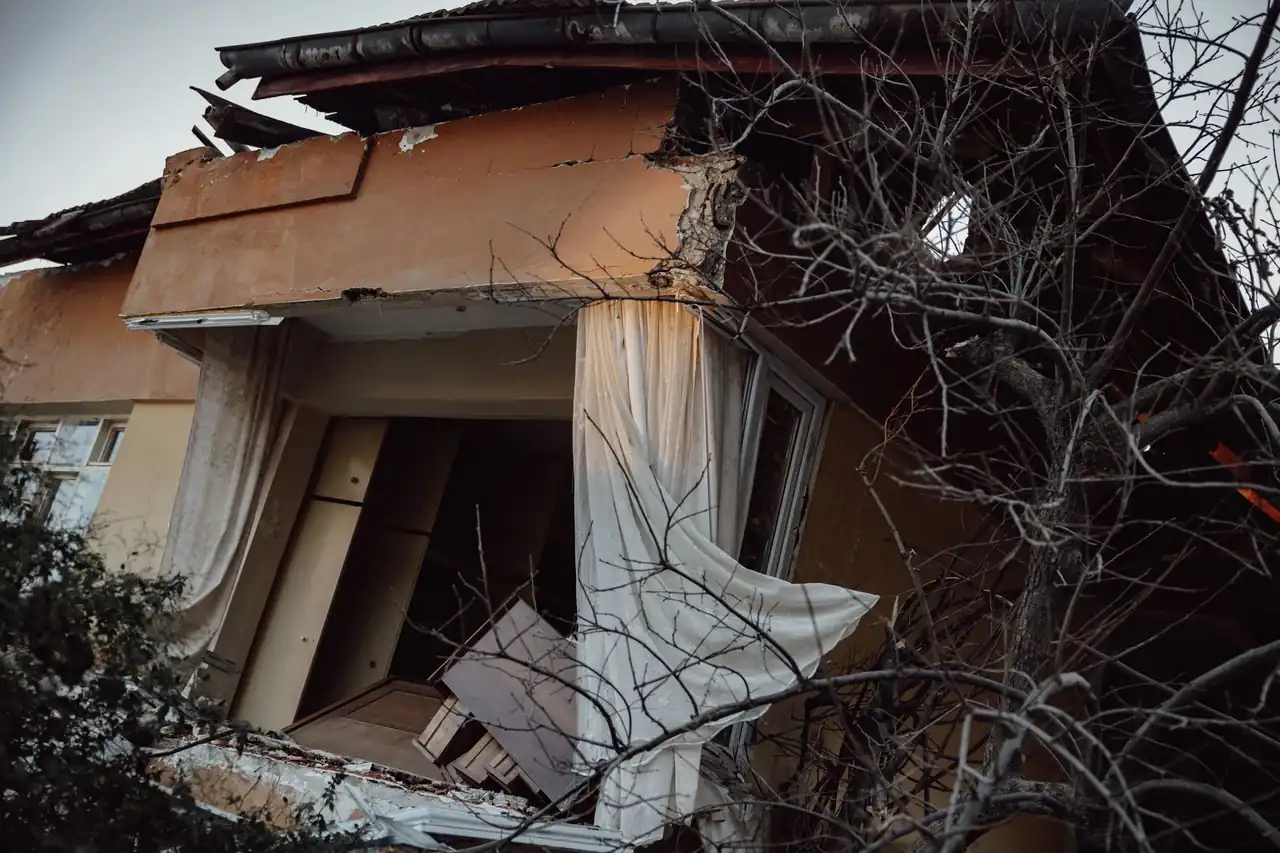
Our water heater burst on a Sunday morning and flooded the garage. I called and they were here in 30 minutes. They extracted the water, set up fans, and checked everything. The garage was dry by Tuesday. I did not have to call anyone else. Highly recommend for College Park.
We had a roof leak after the last storm and the ceiling was dripping. They came out, tarped the roof, and dried the ceiling. They also found moisture in the wall that I did not know about. Professional and fast. They know College Park.
A washing machine leak soaked our hallway carpet. They pulled the carpet back, dried the pad, and saved the carpet. They were careful with our furniture and cleaned up after themselves. Fair price and good communication.
College Park weather drives water damage. Summer storms, fall hurricanes, and winter cold snaps all create different problems. Here is what to expect each season.
Spring in College Park brings rain and the start of storm season. We see more roof leaks and window intrusion. The ground is still relatively dry, so flooding is less common, but plumbing leaks are always a risk.
Summer is our busiest season for water damage in College Park. Afternoon thunderstorms can dump inches of rain in an hour. We see flooded garages, wet carpets, and storm-related roof leaks. The high humidity also makes drying slower.
Fall is hurricane season in Florida. College Park can see wind-driven rain and flooding. We also see more plumbing leaks as the weather cools and pipes contract. If a hurricane is coming, we stage equipment and prepare for a high volume of calls.
Winter in College Park is mild, but we do get cold snaps. When temperatures drop, pipes can freeze and burst. This is more common in older homes with exposed pipes in crawl spaces or attics. We also see water heater failures this time of year.
College Park is part of a larger service area that includes the surrounding Lake Worth Beach neighborhoods. We run calls across the region, so if you are near College Park, we can get to you. Here are some of the nearby areas we cover.
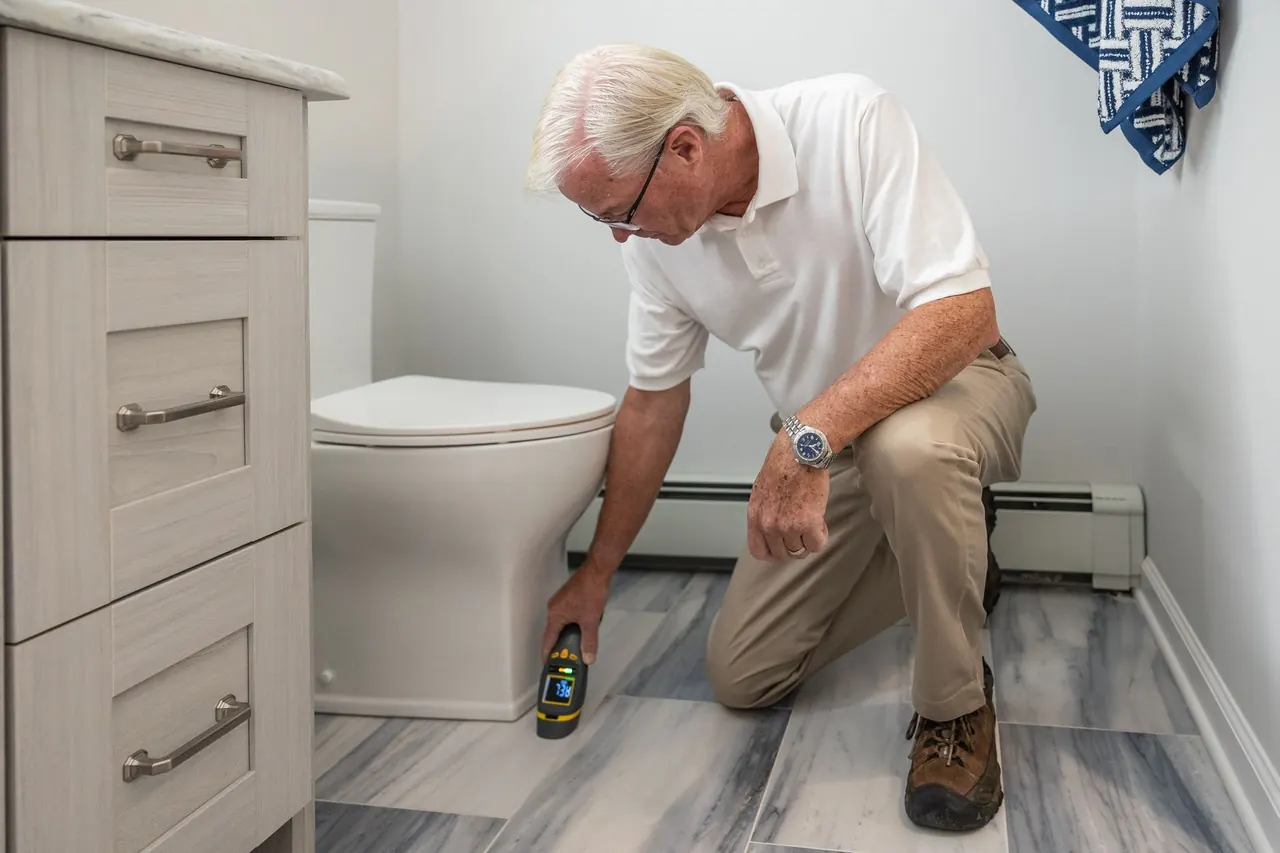
About 10 minutes east of College Park. We serve downtown for both residential and commercial water damage calls.
Local coverage and details
Just east of College Park. The historic district has older homes with similar plumbing issues, and we handle many calls there.
Local coverage and details
A few minutes southeast of College Park. We serve the homes and businesses around the park for water damage restoration.
Local coverage and details
South of College Park. We cover this area for emergency water extraction and structural drying.
Local coverage and detailsNot every water damage company is the same. Some are franchises with call centers, some are one-truck operations. Here are the questions you should ask before you hire anyone in College Park.
Water damage restoration in Florida requires a license and insurance. If they cannot show you a license, do not hire them. You want a company that is accountable and covered if something goes wrong.
A company that knows College Park knows the housing stock and the common problems. They know which streets flood and which pipes fail. Local experience means faster, better service.
Most water damage claims go through insurance. A good company will document the damage, provide photos and moisture readings, and communicate with your adjuster. This makes your claim smoother.
Professional drying requires commercial dehumidifiers and air movers, not box fans. Ask what they use. If they show up with rented equipment from a hardware store, they are not a professional restoration company.
You should know what you are paying before work begins. A written estimate protects you and shows the company is transparent. If they refuse to put it in writing, walk away.
IICRC
IICRC
$2M general liability
Member
Member
Most small jobs in College Park run $1,200 to $2,500, while larger jobs with multiple rooms can run $4,000 to $8,000 or more. The price depends on the size of the affected area, the water category, and the materials involved. We provide a written estimate before we start.
Most College Park jobs take three to five days from extraction to dry. A small leak might dry in 48 hours, while a flooded home can take a week or more. We monitor moisture daily and do not stop until the readings are back to normal.
Yes, we offer 24/7 emergency water extraction in College Park. We can usually be on site within 30 to 60 minutes. The faster we get there, the less damage you will have. Call us as soon as you notice water.
Yes, we handle hurricane water damage cleanup in College Park. We extract flood water, dry the structure, and document everything for insurance. We also tarp roofs and board windows if another storm is coming. Call us after the storm passes.
If it is safe, shut off the water at the main valve and turn off electricity to wet areas. Move furniture and valuables off the floor. Do not use a shop vac on standing water if it might be contaminated. Take photos for your insurance claim, then wait for us.
Not seeing your question? Our local team can help you understand urgency, scheduling and what to expect.
Ask the local team
We answer the phone 24 hours a day, every day of the year. Call (561) 760-4158 and a technician will take your address, ask what happened, and dispatch a crew. Most Lake Worth Beach addresses see a truck within 60 to 90 minutes. If water is still running, shut the supply valve first, then call.