Focused arrival windows
Useful updates and clear arrival timing.

Washing Machine Leak Water Removal in Lake Worth Beach is what we do when a supply hose pops, a drain pan overflows, or a drum seal fails mid-cycle and water spreads across your laundry room floor. We handle emergency water extraction, moisture detection, and structural drying for homeowners and property managers across Florida. Call (561) 760-4158 and we roll a truck today.
Useful updates and clear arrival timing.
Review the approach and price before deciding.
Equipped vehicles and respectful cleanup.
Neighbors serving neighbors with follow-through.
Every job includes the core work needed to stop the water, dry the structure, and document the loss. Here is what is covered on a standard washing machine leak call, and where additional work may come in if the water traveled further than expected.
We remove all standing water from the laundry room floor, adjacent hallways, and any closets or rooms the water reached, using truck-mount or portable extraction units sized to the volume.
Thermal imaging and pin-type meters show exactly how far the water traveled, including under flooring and inside wall cavities, so nothing gets missed behind the washer or under baseboards.
We place air movers and commercial dehumidifiers sized to the actual wet volume, then monitor daily until affected materials read dry against a calibrated baseline.
After extraction, we apply an EPA-registered antimicrobial to wet surfaces to inhibit mold growth during the drying period, which matters in South Florida humidity.
We photograph the loss, log daily moisture readings, and produce a moisture map and summary report your adjuster can use to process the claim without back-and-forth.
Before we remove equipment, we verify every affected material is dry. You get a final report showing starting and ending moisture content so you have proof the job was done right.
Share what is happening and receive a clear next step from the local team.
Washing Machine Leak Water Removal in Lake Worth Beach means shutting off the supply, extracting standing water, and drying the structure before moisture wicks into your walls, baseboards, or subfloor. A burst inlet hose can dump 5 to 10 gallons per minute, and a failed drain hose floods slowly for an entire wash cycle. We pull the washer out, map the wet zone with thermal imaging and pin meters, then run extraction, air movers, and dehumidifiers until the framing and flooring hit dry standard.
Most laundry rooms here sit on concrete slab or over a wood-framed subfloor, and both behave differently when soaked. Slab water spreads sideways under vinyl and tile; wood subfloors cup and swell within 24 to 48 hours. If you are searching for emergency appliance leak water cleanup near Lake Worth Beach, the clock matters more than the brand of your machine. We treat every call as a Category 1 water loss until testing proves otherwise, then adjust the drying plan.

You call (561) 760-4158 and describe what happened. We ask you to shut off the washer valves and kill power to the outlet if it is safe. A crew is dispatched with extraction and drying equipment loaded, and we give you a realistic arrival window on the phone.
We pull the washer out, check the supply hoses, drain hose, and door seal, then map the wet zone with a thermal camera and pin-type moisture meter. You get a clear picture of how far the water traveled, usually within 20 to 30 minutes of arrival.
Standing water comes up with truck-mount or portable extraction units. We use weighted extraction heads on carpet and squeegee extraction on hard floors, then pull water from seams and baseboard gaps where a shop vac cannot reach.
We set air movers and commercial dehumidifiers sized to the cubic footage of the room. Typical laundry room jobs run 3 to 5 days of drying, and we check moisture readings daily so you know the numbers are dropping, not just that equipment is running.
We do not pull equipment until affected materials read dry against a calibrated baseline. You get a final moisture report, photos, and a plain-language summary of what was wet, what we dried, and what to watch over the next two weeks.

Pulls large volumes of standing water fast from carpet, pad, and hard flooring, and generates enough vacuum to extract from seams and baseboard gaps.
Reveals the full wet footprint behind the washer, under flooring, and inside wall cavities without tearing anything out to look.
Measure moisture content in drywall, wood framing, and subfloor so we know exactly when materials reach dry standard.
Remove hundreds of pints of water vapor per day from the air so the room does not re-wet while we are drying the structure.
Create directed airflow across wet surfaces to accelerate evaporation from flooring, walls, and baseboards.
Press down on carpet and pad to pull water from the backing and fibers that a standard vacuum head leaves behind.
Pull moisture out from under hardwood, vinyl, and tile without removing the finished floor.
We classify the loss, determine the class and category, and size drying equipment according to the S500 standard. That is what separates a documented dry-down from someone guessing with fans.
We record moisture readings at the same points every day and adjust equipment until the numbers hit dry standard. You see the progress in writing, not just by feel.
When water wicks into wall cavities behind the washer, we inject air into the cavity to dry the framing and insulation without cutting open the whole wall.
We apply an EPA-registered antimicrobial to wet surfaces after extraction to inhibit mold growth during the drying window, which is critical in Florida humidity.
We extract the standing water, map how far it traveled under the flooring, and set drying equipment the same day. If the water reached carpet or a wood subfloor, we adjust the drying plan to match. Flooring dries in 3 to 5 days, and you avoid a mold problem that would have cost far more to fix.
We dry the laundry room floor and the ceiling assembly below it, using cavity drying where needed to reach water trapped between joists. We also check whether the ceiling drywall needs replacement. The ceiling stain stops spreading, the joists dry out, and you know exactly what needs painting or patching.
We inspect with thermal imaging to find the full wet zone, extract and dry, and document everything with photos and moisture readings for your records and the tenant file. You get a documented dry-down, a clear scope of any repairs, and a unit that is ready to re-rent without hidden moisture.
We treat it as an urgent loss, extract immediately, and check for water that traveled under walls into adjacent rooms. Longer sitting time means we pay extra attention to baseboards and wall cavities. Even after several hours of sitting water, proper extraction and drying saves the flooring in most cases.
Lake Worth Beach sits on a barrier island and mainland mix, and that geography changes how laundry room water behaves. On the island side, many homes sit on crawl spaces or pier-and-beam foundations, so washer water can drip through the floor into the crawl space and soak joists and insulation. On the mainland, slab-on-grade construction means water spreads sideways under vinyl and tile with nowhere to drain. Older homes in the Historic District often have original laundry rooms with tight clearances and aging supply lines, while newer condos near Bryant Park use braided stainless hoses that fail at the crimp. We size drying equipment to the actual construction, not a generic formula. If you need emergency washing machine leak water removal near Hypoluxo Island or Mango Groves, we know the building styles and bring the right gear. Summer humidity here runs high enough that we add dehumidification capacity on almost every job, and hurricane season stress on plumbing means we see more washer hose failures from August through October.
Older homes with original laundry rooms and aging plumbing. We watch for galvanized supply lines and tight clearances that limit equipment placement.
Mix of single-family homes on slab and wood subfloors. Washer leaks here often travel into hallways and closets, so we map the full footprint before drying.
Many homes have second-floor laundry rooms, so a washer leak can show up as a ceiling stain below. We dry both levels in one mobilization.
Crawl space and pier-and-beam construction means washer water can drip through the floor. We check the crawl space on every island-side call.
Condos and mixed-use buildings with tight laundry closets. We use compact extraction and drying equipment sized for small utility spaces.
Drying takes longer here than in dry climates, so we add dehumidification capacity and extend drying time by a day on most jobs to hit dry standard.
Water spreads sideways under flooring with no place to drain, so we use thermal imaging to find the full footprint before we start extraction.
Washer water can drip through the floor into the crawl space, so we inspect and dry the joists and insulation below, not just the laundry room floor.
Pressure changes and aging hoses cause more washer failures from August through October, and we staff up for the higher call volume.
A braided supply hose burst mid-cycle and dumped water across the vinyl plank floor and into the adjacent hallway. The baseboards were soaked, and moisture had wicked 8 inches up the drywall behind the washer.
We extracted 12 gallons of standing water, dried the vinyl plank and subfloor over four days, and brought the drywall back to dry standard without cutting it out. Final moisture readings matched the dry baseline in the unaffected room.
Maintenance: Replace both supply hoses every five years and check the connections for corrosion each spring. A $20 hose swap prevents a $1,500 dry-down.
A washer drain hose had been leaking slowly for weeks in a condo laundry closet. The vinyl flooring looked fine on top, but the subfloor underneath read 28 percent moisture content, well above dry standard.
We dried the subfloor in place over five days with floor mats and directed airflow, avoiding a full flooring replacement. Final readings came in under 12 percent, and the vinyl stayed intact.
Maintenance: Inspect the drain hose for cracks every six months and make sure it is secured to the standpipe. A loose hose works its way out and leaks behind the machine where you cannot see it.
A clogged drain pan overflowed during a wash cycle and soaked the carpet and pad in the laundry room and the closet next to it. The pad was saturated and the carpet was squishing underfoot.
We extracted the carpet and pad with weighted heads, dried both in place over three days, and saved the carpet from replacement. Moisture readings in the pad dropped from 45 percent to under 10 percent.
Maintenance: Clear the drain pan and check the drain line every few months. If the pan fills during a cycle, stop the machine and call before running another load.
Washer leaks show up in a handful of predictable ways, and each one sends water somewhere different. Here is what we see most often and how we handle it.
A pressurized supply line can release 5 to 10 gallons per minute, soaking flooring, baseboards, and the wall behind the washer before you can shut the valve. We shut off the supply, extract the standing water, and dry the wall cavity and flooring. If the hose failed from age, we flag it so your plumber replaces both lines, not just the one that burst.
A slow drain leak runs for 30 to 60 minutes unnoticed, wicking under vinyl, into baseboards, and sometimes through the floor into the ceiling below. We find the full wet footprint with thermal imaging, extract from seams and gaps, and dry the subfloor and any ceiling assembly the water reached. Slow leaks are the ones that cause mold if you skip the drying step.
Repeated small drips keep the same spot wet for weeks, which rots subfloor sheathing and stains the flooring from underneath. We dry the affected area, document the moisture pattern, and tell you whether the flooring can be saved or a section needs replacement. Then we recommend a seal replacement before the next load.
Carpet and pad hold water like a sponge, and the pad stays wet long after the surface feels dry, which is where mold starts. We extract the carpet and pad, use weighted extraction to pull water from the backing, and dry both in place with air movers and dehumidifiers whenever the carpet can be saved.
$450 - $1,800 depending on scope
Typical 2026 pricing for washing machine leak water removal in Lake Worth Beach runs $450 to $1,800 for most residential jobs. A small, contained spill that dries in two days sits at the low end. Water that reached the hallway, soaked a wood subfloor, or dripped into the ceiling below pushes toward the high end because it needs more equipment and more drying days. We give you the price before we start, and we document everything for your insurance claim. There are no surprise add-ons after the fact.
The price reflects extraction, drying equipment, daily monitoring, antimicrobial application, and full documentation. Skipping any of those steps is how a $600 job turns into a $6,000 mold remediation six months later.
A leak contained to the laundry room floor is a smaller job than water that reached a hallway, closet, or the room below. Every additional wet zone adds extraction time and drying equipment.
Carpet and pad extract and dry quickly. Vinyl plank and tile trap water underneath and need specialty drying mats. Hardwood is the slowest and most delicate to dry in place.
Most jobs run 3 to 5 days of equipment time. Slab construction, high humidity, or water in wall cavities can push it to 6 or 7 days, and each day adds equipment rental and monitoring cost.
If water wicked up the drywall behind the washer, we add cavity drying or a small drywall cutout. That is more labor and more monitoring than a floor-only loss.
An upstairs washer leak that stains the ceiling below means two drying zones instead of one. We dry both levels in the same mobilization to keep the cost down.
We document every job the same way whether you are filing a claim or paying directly. If you file, we can bill your carrier directly in many cases so you are not fronting the full amount.
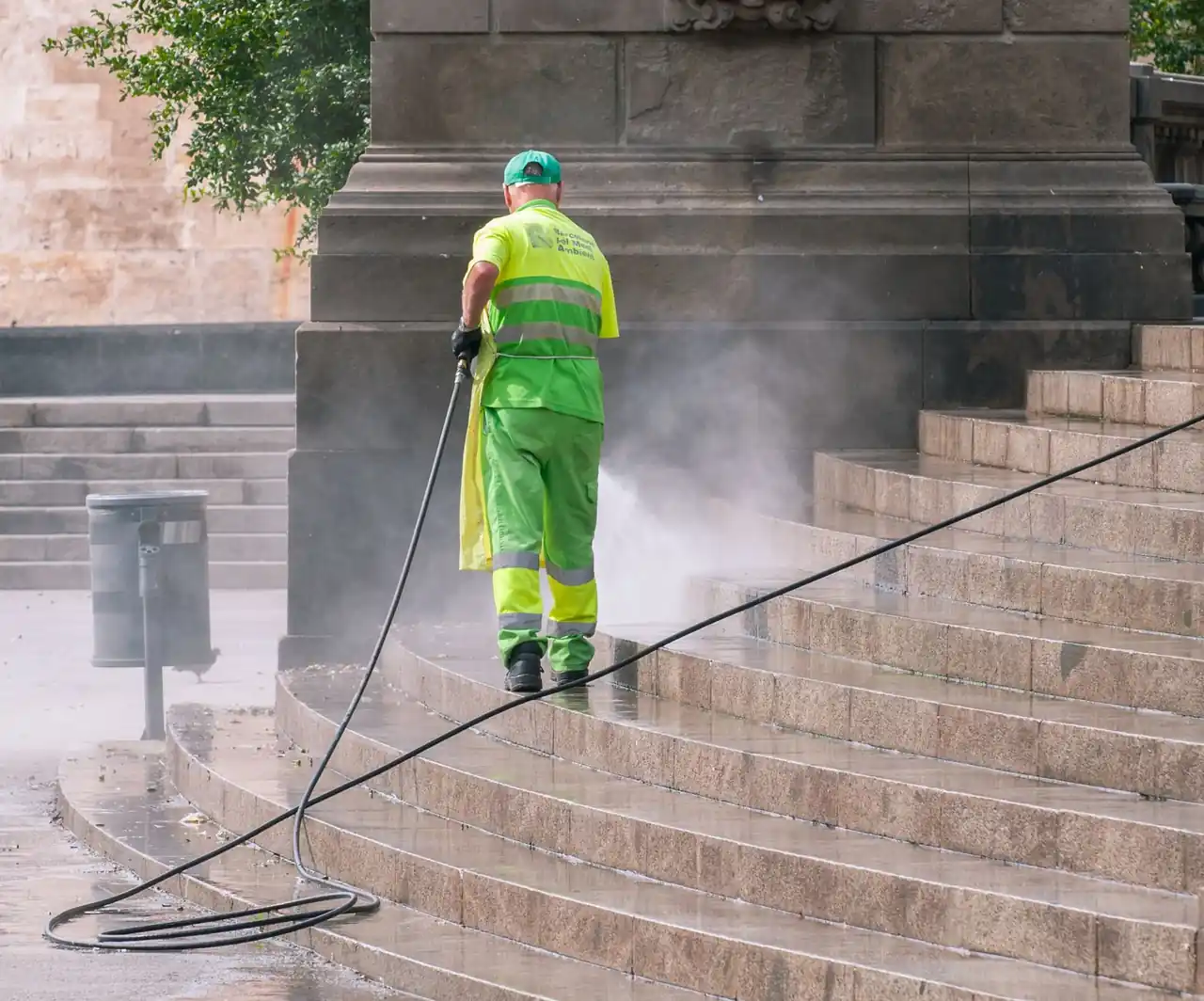
Our technicians are trained in water damage restoration through the IICRC and follow the S500 standard for classification and drying. We work appliance leaks every week in Lake Worth Beach, from single-family homes in College Park to condo laundry closets near Bryant Park. That means we know how slab-on-grade construction, Florida humidity, and older galvanized or braided supply lines behave when they fail. We carry moisture meters, thermal cameras, and refrigerant dehumidifiers on every truck, so the first visit is a working visit, not a sales call.
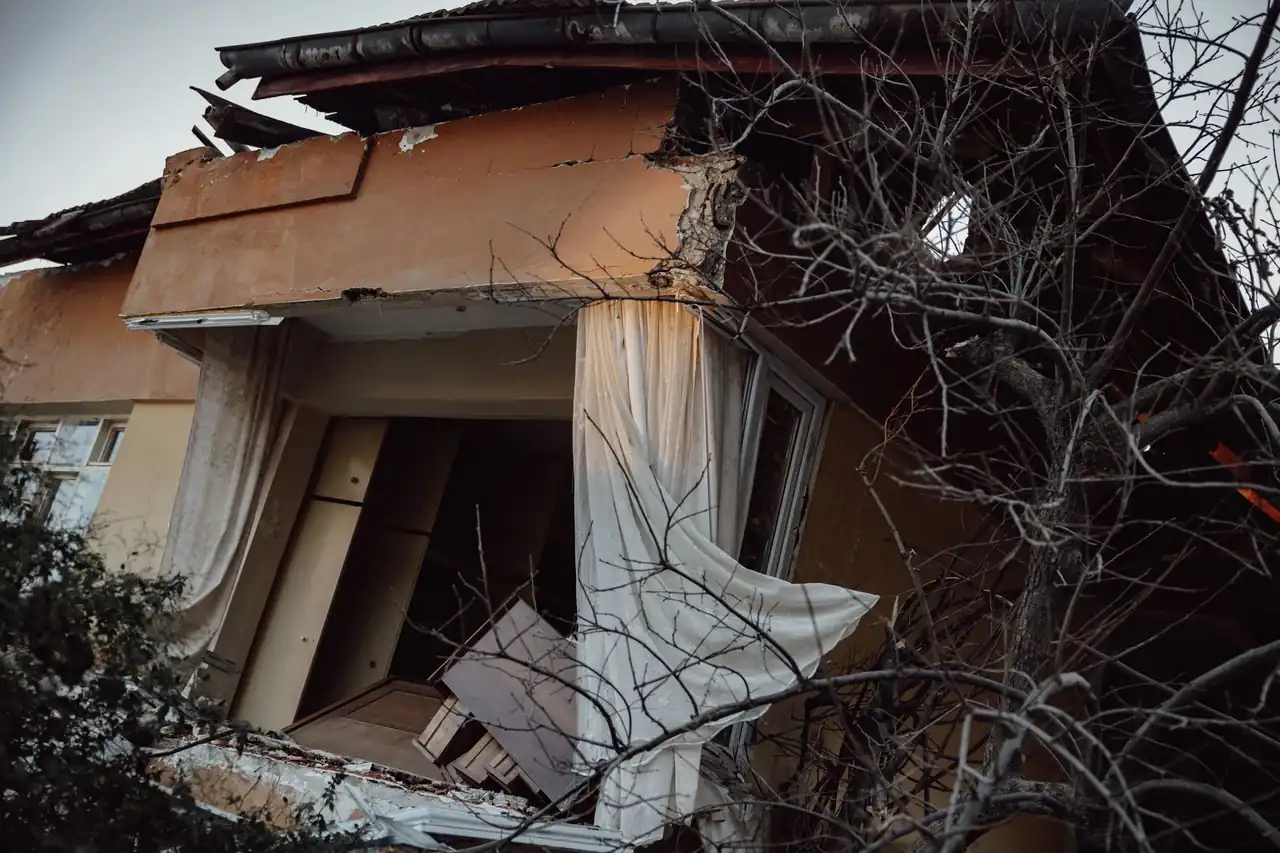
Our washer supply hose burst on a Saturday morning and water was halfway into the hallway before I noticed. The crew arrived in about an hour, pulled the washer out, and had extraction running within twenty minutes. They dried the vinyl plank and baseboards for four days and the moisture readings came back dry. No floor replacement needed.
I manage six units and one of them had a washer drain hose fail overnight. The tenant called me at 7 a.m. and the crew was on site by 8:30. They documented everything for the insurance claim, dried the unit in three days, and the tenant was back to normal by the weekend. That kind of turnaround keeps my vacancy costs down.
A slow leak under our washer had been soaking the subfloor for who knows how long. They found it with a thermal camera, dried it out over five days, and showed me the daily readings so I could see the numbers dropping. Honest about what needed replacing and what did not. I would call them again.
Most residential laundry room jobs run $450 to $1,800 in 2026, depending on how far the water spread and how many days of drying are needed. A small contained spill that dries in two days sits at the low end. Water that reached the hallway, subfloor, or the room below pushes toward the high end. We give you the price before we start.
A typical laundry room dries in 3 to 5 days with proper air movement and dehumidification. Carpet and pad dry fastest. Water that soaked into a wood subfloor or traveled under tile can take 5 to 7 days. We check moisture daily and give you a realistic completion date on day one.
A shop vac pulls surface water but cannot reach water trapped under baseboards, inside wall cavities, or beneath flooring. Box fans move air but do not remove humidity, so the room stays wet. If the leak ran more than a few minutes or the floor is still damp after 24 hours, call us for moisture detection before mold sets in.
Most homeowner policies cover sudden appliance discharge, which is exactly what a burst washer hose is. Slow leaks that went unnoticed for weeks are often excluded. We document everything with photos and moisture readings so your adjuster has what they need, and we can bill your carrier directly in many cases.
Not seeing your question? Our local team can help you understand urgency, scheduling and what to expect.
Ask the local team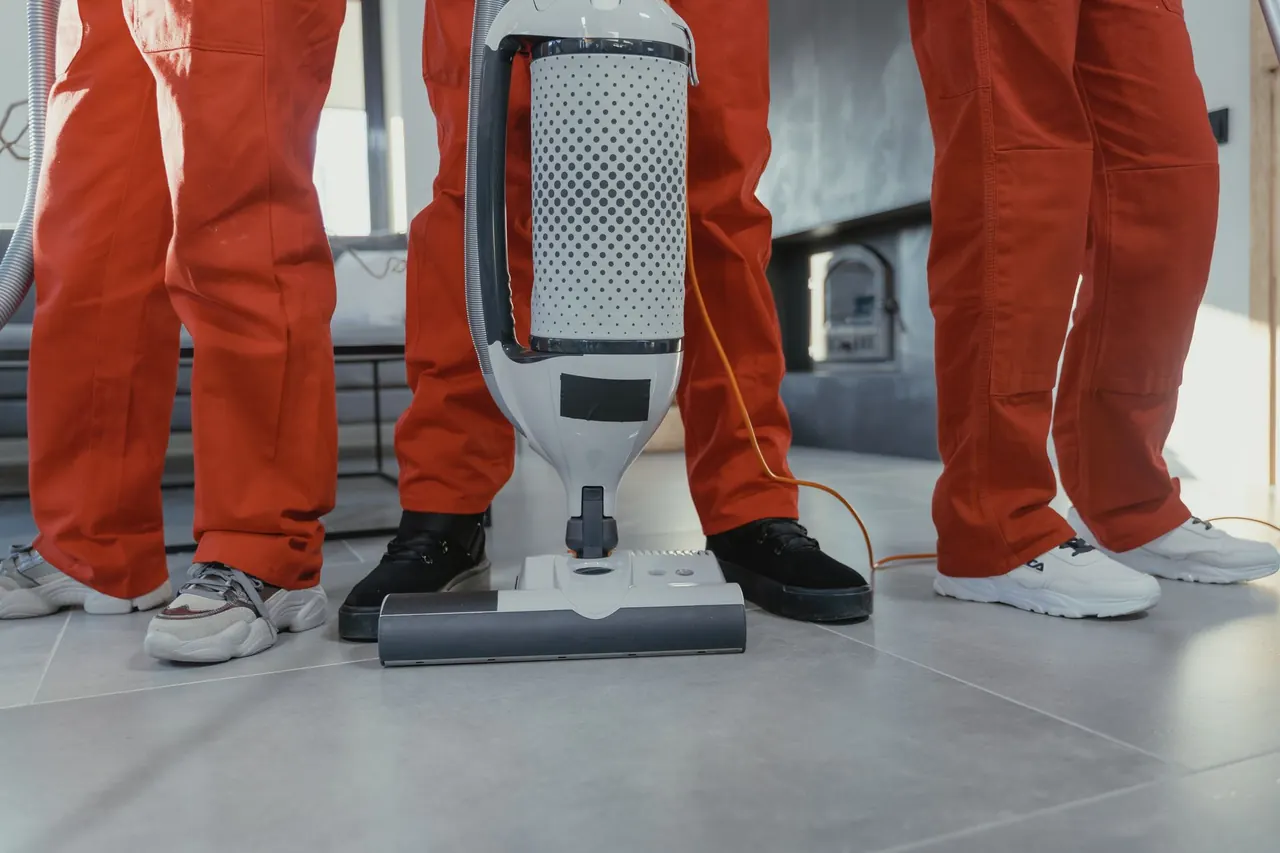
When a washer leak spreads beyond the laundry room into hallways or bedrooms, we scale up to full emergency water damage restoration with larger extraction and drying capacity.
View service
Most washing machine leaks happen in homes. Our residential water damage restoration covers the full dry-down, from extraction to final moisture verification, for houses and condos.
View service
Laundromats, apartment laundry rooms, and hotel housekeeping areas get the same leak response with commercial-grade equipment and after-hours scheduling to keep your operation running.
View service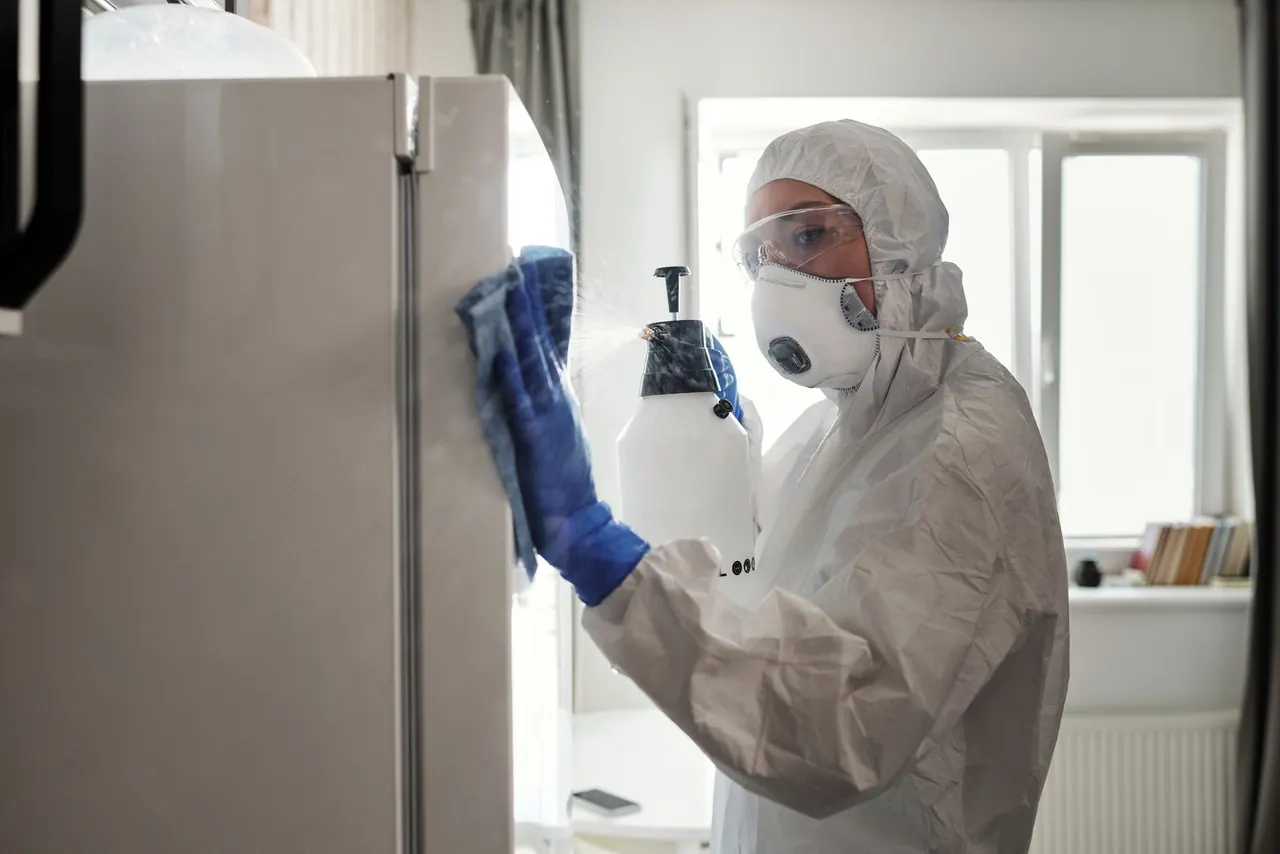
Standing water from a failed washer hose comes up fast with our truck-mount extraction units. This is usually the first step of any washing machine leak water removal job.
View service
We answer the phone 24 hours a day, every day of the year. Call (561) 760-4158 and a technician will take your address, ask what happened, and dispatch a crew. Most Lake Worth Beach addresses see a truck within 60 to 90 minutes. If water is still running, shut the supply valve first, then call.