Focused arrival windows
Useful updates and clear arrival timing.
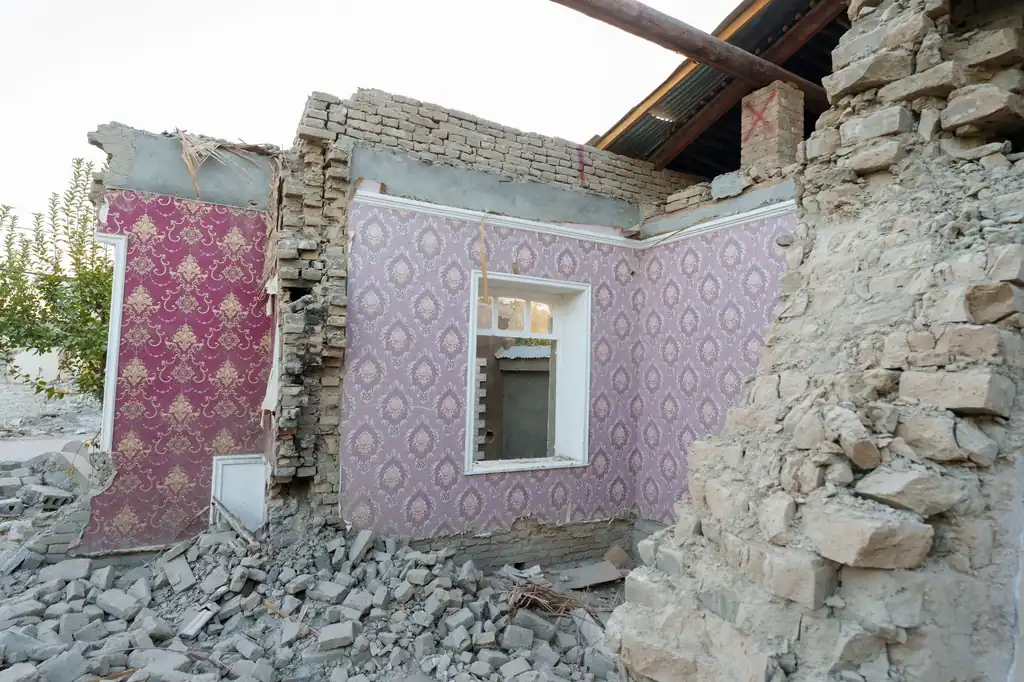
Roof Leak Water Extraction in Lake Worth Beach is the emergency service that pulls storm-driven water out of ceilings, attics, and wall cavities before mold takes hold. If a shingle lifted in a squall line or your flashing failed during a nor'easter, we respond 24/7, extract standing water, and dry the assembly. We handle homes and small commercial buildings across Palm Beach County.
Useful updates and clear arrival timing.
Review the approach and price before deciding.
Equipped vehicles and respectful cleanup.
Neighbors serving neighbors with follow-through.
Every roof leak job includes the core scope below. If we find more damage during the inspection, we stop and explain before adding work. You approve any change before we proceed.
We use thermal imaging and pin meters to map the wet zone, then photograph everything before extraction. You get the images and a written scope. This documentation is what your adjuster needs to approve the claim.
Truck-mount and portable extractors pull standing water from ceilings, walls, carpet, and hard flooring. We drain trapped water through controlled weep holes. Extraction typically takes one to three hours depending on saturation.
We apply an EPA-registered antimicrobial to affected framing, drywall edges, and cavities. This stops surface mold growth while the structure dries. It is included on every roof leak job, not an add-on.
We place refrigerant or desiccant dehumidifiers and axial air movers sized to the wet area. Equipment runs three to five days on a typical residential roof leak. We monitor moisture daily and adjust placement.
You get daily moisture readings, equipment notes, and photos. When the structure hits target moisture content, we remove equipment and provide a completion report. That report is your proof the dry-out was done correctly.
Share what is happening and receive a clear next step from the local team.
Roof Leak Water Extraction in Lake Worth Beach is a targeted drying service that removes water that has entered through failed roofing, flashing, or penetrations. We start with moisture mapping using thermal imaging and pin meters, then place extraction wands and weighted extraction units on saturated drywall, insulation, and ceiling cavities. Truck-mount and portable extractors pull the bulk water, and we set desiccant or refrigerant dehumidifiers with axial air movers to dry the framing. The goal is to get structural materials below 16% moisture content before mold colonizes.
Lake Worth Beach sits in a high-wind zone, and the housing stock is a mix of 1920s bungalows and mid-century block homes. That combination means roof leaks often travel sideways through the attic before they show up as a ceiling stain. We see it constantly after summer squalls and fall tropical systems. If you have water dripping from a light fixture or a bulge in the ceiling paint, call us before you poke a hole in it. Our emergency water extraction service is built for exactly this scenario.
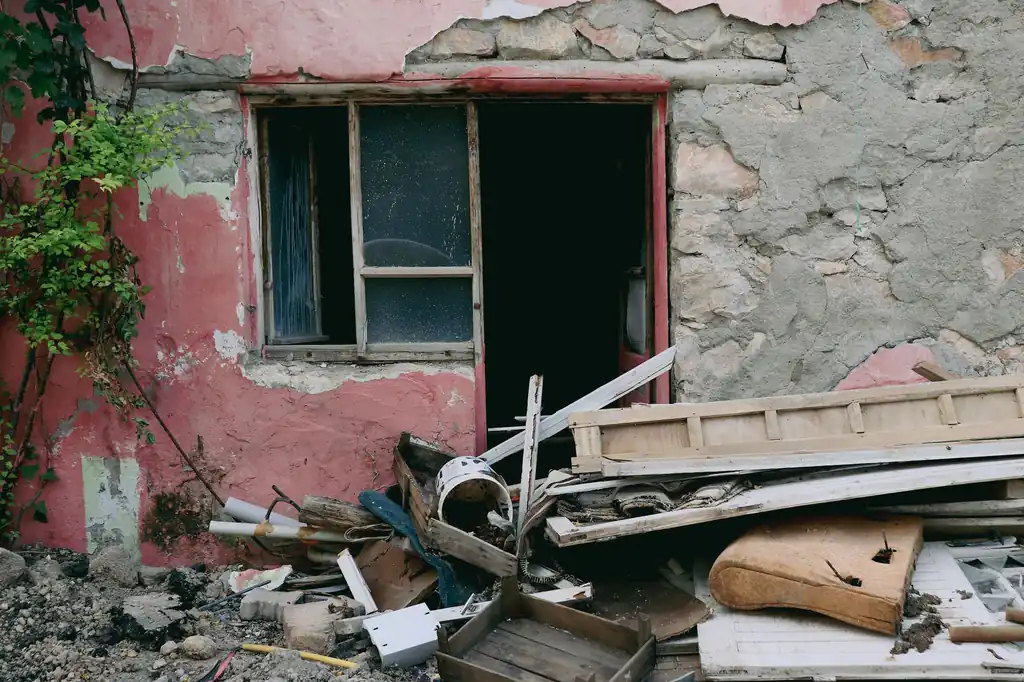
You call (561) 760-4158 and describe the leak. We ask where the water is showing up, whether the ceiling is sagging, and if any lights or outlets are wet. We dispatch a crew with extraction and drying equipment. In most of Lake Worth Beach we are on site within 60 to 90 minutes.
We inspect the attic, ceiling, and walls with thermal imaging and pin-type moisture meters. We map the wet zone and photograph everything before we touch it. You get a written scope with affected materials and a drying plan. This takes 30 to 45 minutes on a typical residential leak.
We pull standing water with truck-mount extractors and weighted extraction tools for carpet and pad. Ceiling cavities get drained through small weep holes we cut and control. We remove saturated insulation and bag it for disposal. Extraction usually takes one to three hours depending on how much water is trapped.
We set refrigerant or desiccant dehumidifiers and axial air movers to dry the framing, drywall, and subfloor. We monitor moisture content daily and adjust equipment placement. Most roof leak dry-outs run three to five days. You get a daily log with readings and photos.
We confirm structural materials are back to normal moisture content, usually below 12% for wood and 10% for drywall. We remove equipment, do a final walkthrough with you, and provide a completion report. If you need a roofer to fix the source, we can refer one. We do not leave until the structure is dry.
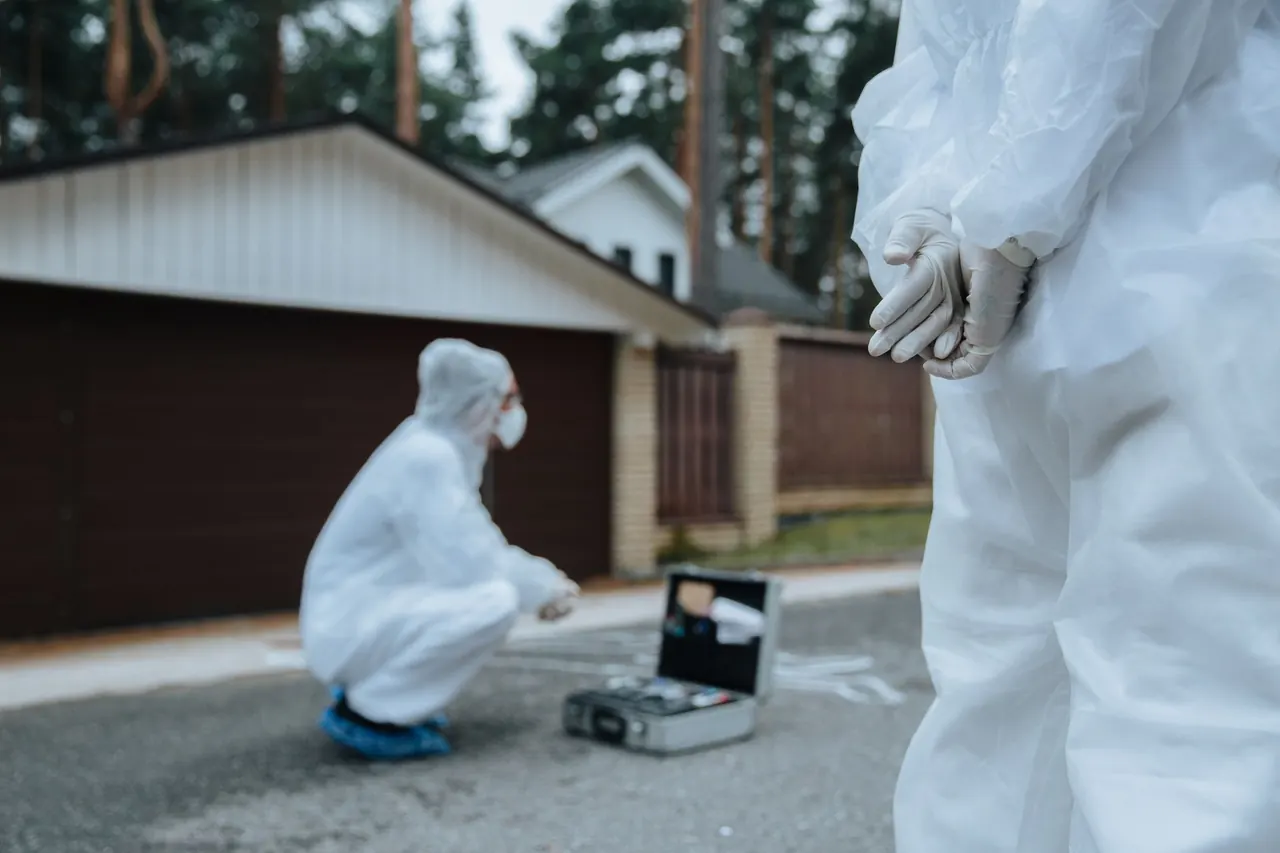
Finds temperature differences that reveal hidden moisture in ceilings, walls, and attic framing. We use it on every roof leak inspection to map the wet zone before extraction.
Measures moisture content in drywall, wood framing, and subfloor. We use it to set drying goals and confirm when materials are back to normal.
Pulls large volumes of standing water from carpet, pad, and hard surfaces. It is the fastest way to remove bulk water from a flooded room.
Presses down on carpet and pad to release trapped water that a standard wand misses. It cuts drying time on carpeted areas significantly.
Pulls moisture from the air in warm, humid conditions. We size units to the wet area and run them until the structure hits target moisture content.
Used for deep drying in cool or tightly sealed spaces. It removes more moisture per unit of air than refrigerant units and is ideal for attic and cavity drying.
Moves air across wet surfaces to speed evaporation. We place them to create a circular airflow pattern that dries framing and drywall evenly.
The industry standard for water damage restoration. It defines categories of water, classes of loss, and drying goals. We follow it on every roof leak job, which means documented moisture readings and a written scope.
Small holes cut in a sagging ceiling to drain trapped water in a controlled way. This prevents a sudden collapse and lets us extract water that would otherwise sit above the drywall.
For water that has run inside a wall, we use injection drying or cavity drying systems to move air through the stud bay. This dries the framing without removing the entire wall.
We apply an EPA-registered antimicrobial to affected framing and drywall edges after extraction. It stops surface mold growth while the structure dries and is included in every job.

We dispatch a crew with extraction and drying equipment, usually on site within 60 to 90 minutes. We extract the water, set dehumidifiers, and document the loss for your claim. Your ceiling is dry in three to five days, and you have a written report for your insurance adjuster.
We map the wet zone, drain trapped water through small weep holes, and dry the ceiling and insulation. We also identify the roof defect so it can be repaired. The stain stops spreading, the drywall is saved, and you avoid a full ceiling replacement.
We de-energize the circuit, extract the water, and dry the ceiling cavity. We check the wiring and coordinate with an electrician if needed. The fixture and ceiling are saved, and the electrical hazard is resolved.
We work after hours to extract and dry without interrupting business. We stage equipment and document the loss for your commercial carrier. You reopen the next morning with drying equipment running and a documented scope for the claim.
Lake Worth Beach sits in a high-wind zone, and the building stock is a mix of 1920s wood-frame bungalows and mid-century concrete block homes. That matters for roof leak water extraction. In older bungalows, water often travels sideways through the attic before it shows up as a ceiling stain, so we always inspect the full attic, not just the wet spot. Block homes shed water differently, and leaks tend to track down inside wall cavities. We see the most roof leak calls from June through November, when summer squalls and tropical systems roll through. The rest of the year, the calls come from failed flashing and worn pipe boots. We work to the Florida Building Code when we replace insulation or drywall, and we document moisture readings daily for your adjuster. If you have a roof leak water extraction emergency in Lake Worth Beach, call (561) 760-4158 and we will tell you what to do while we are on the way.
Many 1920s bungalows with original roof framing. Leaks often track sideways through the attic before showing on a ceiling.
Mix of block and frame homes. We see a lot of failed pipe boots and flashing leaks after summer storms.
Older commercial buildings with flat roof sections. Leaks can affect multiple units and need after-hours extraction.
Waterfront homes take direct wind and rain. Roof leaks here often combine with wind-driven rain through vents and windows.
Concrete block homes with tile roofs. Leaks usually show up at valleys and penetrations, and water runs inside wall cavities.
Wind-driven rain forces water under shingles and flashing. We see more roof leaks here than in inland areas, and they often happen fast during a single storm.
Florida humidity slows drying. We size dehumidifiers larger than you would in a dry climate and run them until the structure hits target moisture content.
1920s bungalows have framing that holds water longer. We extend drying times and monitor moisture daily to avoid rot and mold.
Flat roofs pond water and leak at seams. We handle after-hours extraction so businesses can stay open while we dry.
A squall line lifted shingles over a bedroom in Parrot Cove. Water came through the ceiling at 11 p.m. and the drywall was sagging under the weight. The homeowner had towels on the floor and a bucket under the drip.
We extracted the water through a controlled weep hole, set three dehumidifiers and four air movers, and dried the ceiling in four days. Moisture content dropped from 28% to 11%. The drywall was saved and the ceiling was repainted.
Maintenance: We recommended a roofer repair the lifted shingles and check the flashing. The homeowner also scheduled a moisture check after the next storm to confirm no new intrusion.
A storm drove rain through a failed pipe boot in College Park. The attic insulation was soaked across a 200-square-foot area, and water had started to stain the ceiling below. The homeowner noticed a musty smell two days later.
We removed the saturated insulation, dried the framing and sheathing to below 14% moisture content, and replaced the insulation at R-38. The ceiling was dried in place and the musty odor was gone after three days of dehumidification.
Maintenance: We told the homeowner to check the pipe boot annually and after any named storm. A $15 boot replacement prevents a repeat of a $1,400 dry-out.
A flat roof leak over a retail space in the Lake Worth Park of Commerce soaked ceiling tiles and a section of carpet. The store was open and could not close for a multi-day dry-out. Water was dripping onto a display area.
We worked after hours, extracted the water, removed the wet ceiling tiles, and set drying equipment overnight. Moisture readings were normal in three days. The store stayed open the entire time with equipment running after hours.
Maintenance: We recommended a roofing contractor inspect the flat roof seams twice a year. The owner now schedules a pre-season check before hurricane season starts.
Roof leaks show up in a handful of predictable ways here. Here is what we see and how we handle it.
A spreading stain means water is still entering and saturating the drywall and insulation above. Left alone, the ceiling sags and mold colonizes within 48 to 72 hours. We map the wet zone, extract trapped water through controlled weep holes, and dry the ceiling in place when the drywall is still sound. We also flag the roof defect so you can get it repaired before the next storm.
Water reaching a light fixture means the ceiling cavity is saturated and there may be wet wiring. This is an electrical hazard as well as a mold risk. We de-energize affected circuits, extract the water, and dry the ceiling and framing. We check the wiring and coordinate with a licensed electrician if needed. Most fixtures can be saved if we get there within a day.
Wet insulation loses R-value and holds moisture against the framing. That is a direct path to wood rot and mold in the attic. We remove saturated insulation, dry the framing and sheathing, and replace the insulation at the correct R-value for your attic. Moisture readings confirm the framing is dry before we close it up.
A musty odor usually means hidden moisture in a wall cavity or ceiling bay. By the time you smell it, mold is often already growing. We use thermal imaging to find the hidden wet zone, then extract and dry it. We apply antimicrobial to affected framing. If mold is already present, we scope remediation and explain your options.
$450 - $1,800 for extraction and drying; $2,500 - $6,000+ if reconstruction is needed
Typical 2026 pricing for roof leak water extraction in Lake Worth Beach runs $450 to $1,800 for the extraction and drying phase. The low end covers a small ceiling leak with minimal saturation. The high end covers leaks that soak insulation, wall cavities, and flooring across multiple rooms. We quote the scope upfront and bill insurance directly on covered claims. You approve any change before we add equipment.
The cost of extraction and drying is a fraction of what mold remediation and structural repair run. Catching a roof leak early saves you thousands. We document everything for your insurance claim so covered losses are handled.
A single ceiling bay costs less to dry than a leak that has spread across a room and down a wall. We measure the affected area in square feet and size equipment accordingly.
Drywall and wood framing dry in place. Saturated insulation, carpet pad, and some flooring have to be removed and replaced. That adds material and disposal cost.
Clean rainwater from a roof leak is Category 1. If water has mixed with sewage or ground flooding, it becomes Category 2 or 3, which requires antimicrobial treatment and sometimes removal of more materials.
Attic access, vaulted ceilings, and second-story work take more time and equipment. We factor that into the quote so there are no surprises.
Most jobs dry in three to five days. Older homes with dense framing or high humidity can take longer. We monitor daily and remove equipment as soon as the structure is dry.

Our technicians hold IICRC Water Damage Restoration Technician (WRT) and Applied Structural Drying (ASD) certifications. We work to the IICRC S500 standard for water damage restoration, which means documented moisture readings, defined drying goals, and a written scope. We have dried hundreds of roof leak losses in Lake Worth Beach and the surrounding barrier island communities. We know how water behaves in 1920s wood-frame bungalows and in concrete block homes. We also know which local roofers and adjusters communicate well, so your repair and claim move faster.
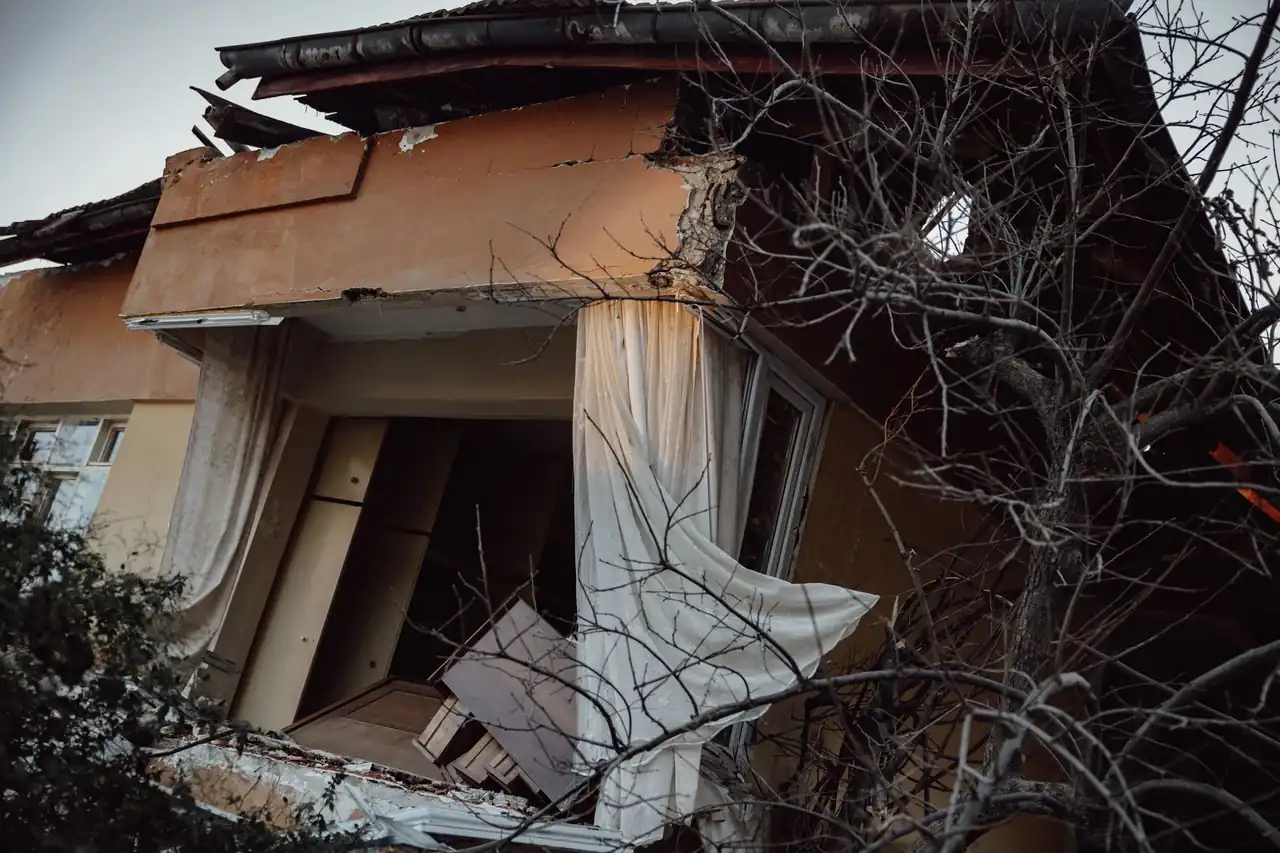
A squall line peeled back shingles over our bedroom and water came through the ceiling at 11 p.m. We called and a crew was here in about an hour. They cut a small weep hole, extracted the water, and set three dehumidifiers. Four days later the ceiling was dry and the moisture readings were normal. They worked directly with our insurance and we paid our deductible only.
We manage a 1920s building with a flat roof section, and leaks are a recurring problem. Lake Worth Beach Water Damage has handled three units for us. They document everything, bill the carrier, and leave the drying logs in the unit. Our owners like that. The last job was a 600-square-foot ceiling dry-out that finished in four days.
I thought the stain on my kitchen ceiling was from the AC. They traced it to a failed roof boot in the attic and showed me the photos. They extracted the water, dried the ceiling and wall cavity, and replaced the wet insulation. No mold, no ceiling replacement. Honest about what needed to happen and what did not.
Most residential roof leak extractions in Lake Worth Beach run $450 to $1,800 for the extraction and drying phase, depending on how much water is trapped and how many rooms are affected. Ceiling-only leaks with minimal saturation land near the low end. Leaks that soak insulation, wall cavities, and flooring push higher. We quote the scope upfront and bill insurance directly on covered claims.
Extraction itself takes one to three hours on a typical home. Full structural drying runs three to five days. We set dehumidifiers and air movers, then check moisture daily until the framing and drywall hit target readings. You are not waiting a week for equipment pickup. We remove gear as soon as the structure is dry and document the final numbers.
Yes, if the leak has been active for more than a few hours. A small drip can saturate a 4x8 sheet of drywall and the insulation above it in under a day. Mold can start within 48 to 72 hours. We would rather extract a small leak now than tear out a ceiling and remediate mold later. Call us and we will tell you honestly whether you need a crew.
Sometimes. If the drywall is still structurally sound, we can dry it in place with dehumidifiers and air movers, and drain trapped water through small controlled weep holes. If the drywall is sagging or the paper facing has failed, it has to come out. We make that call after moisture mapping, not before. We explain the options and you decide.
Not seeing your question? Our local team can help you understand urgency, scheduling and what to expect.
Ask the local team
When a roof leak is part of a larger storm loss, this service covers the full scope: extraction, drying, antimicrobial, and reconstruction coordination. We handle the whole job so you are not juggling three contractors.
View service
Most roof leak calls we run in Lake Worth Beach are single-family homes. This service covers the full residential scope, from the wet ceiling to the baseboards, with documentation for your homeowner's claim.
View service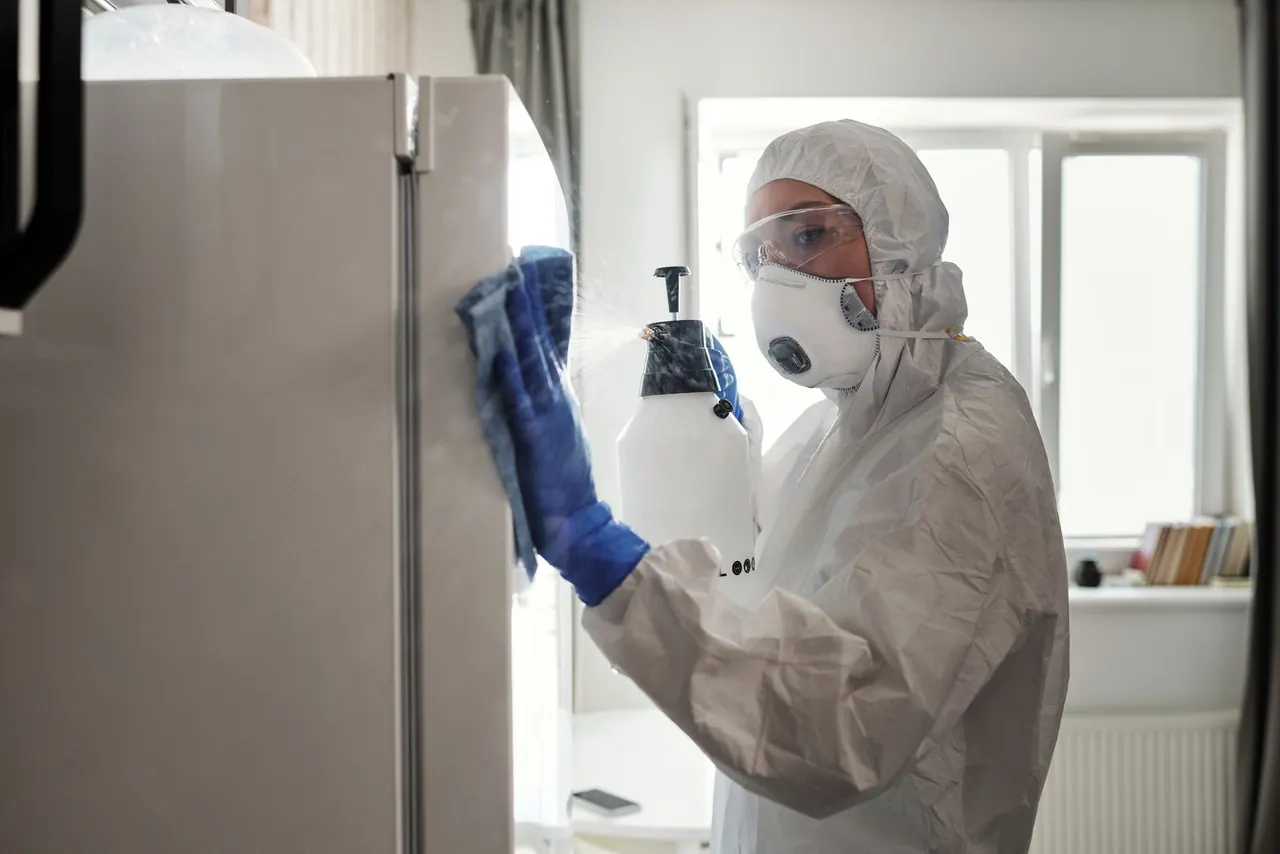
Flat-roof leaks over retail and office space in the Lake Worth Park of Commerce need fast extraction to avoid business interruption. We work after hours and stage equipment to keep your doors open.
View service
The first step of any roof leak job. We pull standing water from ceilings, carpet, and hard flooring with truck-mount and portable extractors before drying equipment goes in.
View service
We answer the phone 24 hours a day, every day of the year. Call (561) 760-4158 and a technician will take your address, ask what happened, and dispatch a crew. Most Lake Worth Beach addresses see a truck within 60 to 90 minutes. If water is still running, shut the supply valve first, then call.