Focused arrival windows
Useful updates and clear arrival timing.

Wet Carpet Drying in Lake Worth Beach is what we do when a pipe bursts, a storm pushes water under your door, or your washing machine hose lets go. We pull the water out, dry the carpet and pad, and check the subfloor before mold gets a foothold. If your carpet is wet right now, call us at (561) 760-4158. We serve homes and businesses across Florida with same-day emergency response.
Useful updates and clear arrival timing.
Review the approach and price before deciding.
Equipped vehicles and respectful cleanup.
Neighbors serving neighbors with follow-through.
Every wet carpet drying job includes the core steps needed to dry your carpet and protect your home. We explain what is covered and what may be an add-on before we start, so there are no surprises.
We use thermal cameras and penetrating meters to find all the moisture in carpet, pad, tack strip, and subfloor. This step tells us exactly where to focus drying equipment and how long the job will take.
Truck-mount or portable extractors pull standing water and saturated moisture out of carpet and pad. This is the most important step for reducing drying time and preventing mold growth.
We set up a drying system with air movers to evaporate moisture and dehumidifiers to remove it from the air. Equipment runs continuously until readings hit dry standard, usually two to four days.
We return each day to check moisture levels in carpet, pad, and subfloor. If readings are not dropping as expected, we adjust equipment placement or add units to keep the job on track.
If we lift the carpet to dry the pad, we re-stretch it after drying so it lies flat and looks normal. This is included in our service and saves you a separate carpet installer bill.
You get a written report with before and after moisture readings, equipment logs, and photos. This documentation supports your insurance claim and proves the carpet was dried to standard.
Share what is happening and receive a clear next step from the local team.
Wet Carpet Drying in Lake Worth Beach is not a fan and a dehumidifier pointed at the floor. It is a measured process: we extract standing water with truck-mount or portable units, then use thermal imaging and penetrating moisture meters to map exactly how far the water traveled. Carpet, pad, tack strip, and subfloor all hold water differently. We set drying equipment to pull moisture out of each layer, and we check readings twice a day until the carpet and structure hit dry standard. Most residential jobs take two to four days.
In Lake Worth Beach, wet carpet usually comes from three things: aging plumbing in historic homes, summer storm surge that pushes through door seals, and appliance failures. The city's older housing stock around the Historic District and Parrot Cove often has original cast-iron drains and galvanized supply lines that fail without warning. Humidity here sits above 70 percent most of the year, so a wet carpet that might dry in a day in a dry climate can turn into a mold problem in 24 to 48 hours. That is why we treat every call as urgent.
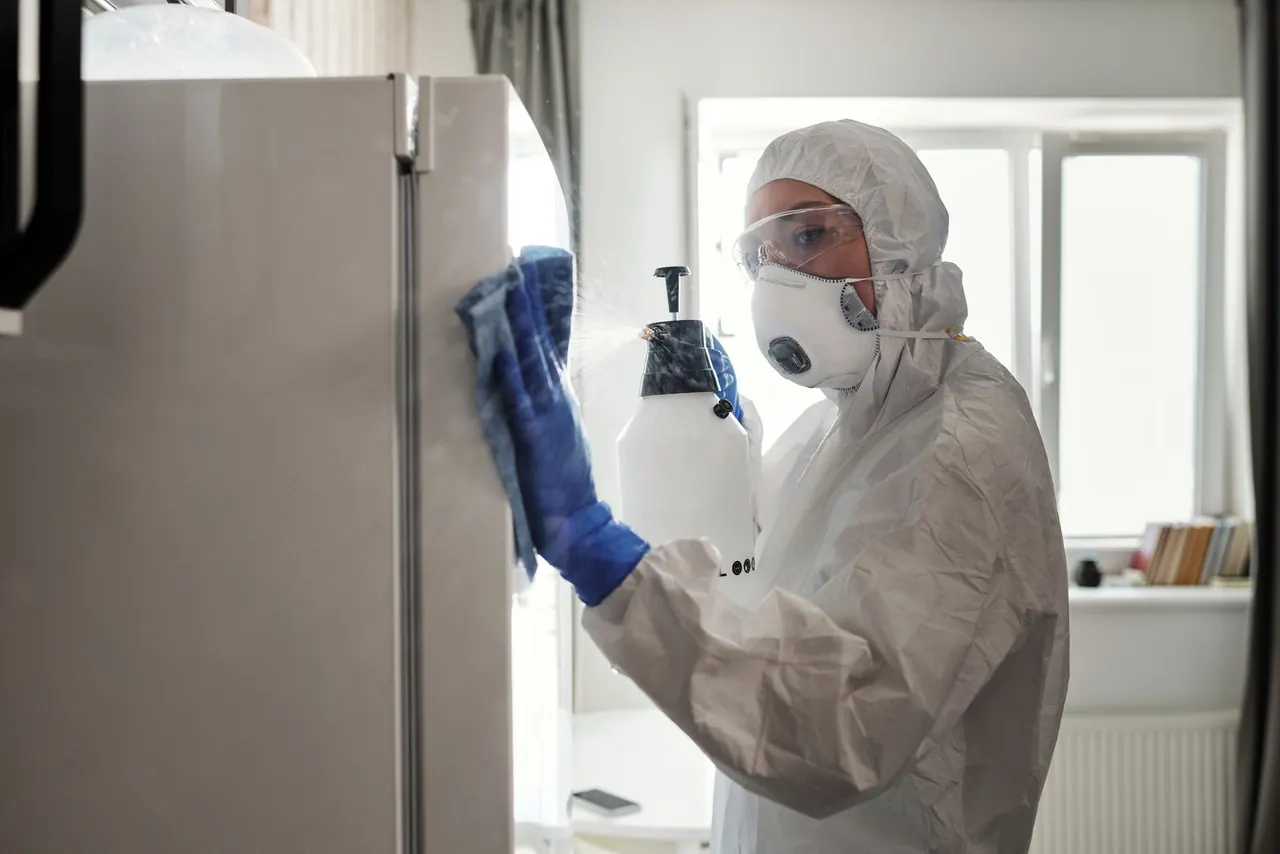
You call (561) 760-4158. We ask what happened, how long the water has been sitting, and whether the source is stopped. We dispatch a crew with extraction and drying equipment. For most Lake Worth Beach addresses, we are on site within 60 to 90 minutes.
We walk the affected area with a thermal camera and penetrating moisture meter. We check carpet, pad, tack strip, baseboards, and subfloor. We also look for hidden water behind walls or under cabinets. You get a clear picture of the scope before we move equipment in.
Truck-mount extraction pulls the bulk of the water out of carpet and pad. For heavily saturated areas, we use portable extractors and weighted rollers. This step removes hundreds of gallons in some jobs and cuts drying time significantly. It usually takes one to three hours depending on square footage.
We place air movers and dehumidifiers to create a drying chamber. We lift carpet where needed to get airflow under the pad. Equipment runs continuously, and we monitor moisture readings twice a day. Most rooms reach dry standard in two to four days.
We do not guess when drying is done. We take final moisture readings and compare them to dry standard for the material. Once everything passes, we remove equipment, re-stretch the carpet if it was lifted, and give you a written drying report for your records.
Pulls large volumes of water out of carpet and pad in a fraction of the time portable units take. Essential for heavily saturated carpets.
Reveals hidden moisture behind walls, under floors, and in areas that look dry. Helps us map the full extent of the water damage.
Measures moisture content inside carpet, pad, and subfloor. We use it to set drying goals and verify the job is complete.
Create high-velocity airflow across wet surfaces to speed evaporation. Placed strategically to dry carpet, pad, and walls at the same time.
Removes moisture from the air so wet materials can continue to dry. Sized based on room volume and humidity readings.
Helps extract water from carpet and pad by pressing down as it rolls. Used in combination with extraction wands for maximum water removal.
Injects dry air directly into wall cavities and under carpet to dry hard-to-reach areas. Prevents mold in hidden spaces.
We follow the IICRC S500 standard for water damage restoration. It defines water categories, drying goals, and documentation requirements. Following this standard ensures the job is done correctly and gives your insurance adjuster a recognized framework for the claim.
We create a moisture map of the affected area using thermal imaging and meter readings. This map guides equipment placement and gives us a baseline to measure drying progress against. It is also part of the documentation for your insurance claim.
We close doors and windows and position air movers and dehumidifiers to create a controlled drying environment. This method concentrates dry air where it is needed and removes moisture from the air before it can re-wet the carpet.
We return each day to take moisture readings and adjust equipment. If readings are not dropping as expected, we add equipment or change placement. This method keeps the job on schedule and prevents mold.
When the pad is saturated, we lift the carpet, dry the pad separately, and re-stretch the carpet after drying. This method saves the carpet and pad in most cases and restores the original appearance.
We extract the standing water, pull up the carpet to dry the pad, and set up air movers and dehumidifiers. We also check the adjacent hallway and closet for hidden moisture. The carpet and pad dry in two to three days, and you avoid replacing the flooring in the laundry room and hallway.
We extract the storm water, treat the affected area, and dry the carpet and subfloor. We use thermal imaging to find water that wicked under baseboards and into wall cavities. Your carpet dries without mold, and you have documentation for an insurance claim if the storm damage is covered.
We remove the contaminated water, assess the carpet and pad, and dispose of any material that cannot be safely dried. We then dry the remaining structure and carpet to standard. The contaminated material is removed, the area is dry and clean, and you avoid a lingering odor or mold problem.
We detect the moisture with thermal imaging, extract the water, and dry the carpet and subfloor. We coordinate with your plumber to fix the leak and document the loss for insurance. The carpet and subfloor dry completely, and you have a report showing the moisture levels before and after drying.
Lake Worth Beach has a mix of historic homes and newer construction, and each presents different drying challenges. In the Historic District and Parrot Cove, many homes have pier-and-beam foundations with original hardwood subfloors. When carpet gets wet there, we can often dry it from below by accessing the crawl space. In newer slab-on-grade homes west of the Intracoastal, water wicks into the concrete and takes longer to dry. We adjust our equipment and drying goals based on the foundation type. The local climate adds another layer: humidity stays above 70 percent most of the year, and summer storms can push water under doors and through window seals. We run dehumidifiers continuously to overcome the ambient moisture. If you need wet carpet drying near Bryant Park or in College Park, we know the building styles and the water problems that come with them. We also work with local plumbers and roofers when the water source needs repair.
Many homes have original hardwood subfloors and pier-and-beam foundations. We can often dry carpet from below by accessing the crawl space.
Older plumbing and galvanized supply lines are common. When they fail, water often reaches carpet in adjacent rooms before the leak is noticed.
Slab-on-grade construction means water wicks into concrete and takes longer to dry. We use specialized drying mats and extended drying times.
Commercial spaces often have glue-down carpet tiles. We dry them in place with weighted extraction and high-velocity air movers.
Luxury homes with high-end carpet and rugs require careful drying to avoid shrinkage or discoloration. We use controlled drying methods.
Carpet dries slower than in dry climates. We run dehumidifiers continuously and may extend drying time by a day to reach dry standard.
Water pushes under doors and through window seals, soaking carpet along exterior walls. We prioritize extraction and check wall cavities for hidden moisture.
Cast-iron drains and galvanized supply lines fail without warning. When they leak, water often travels under carpet before it is discovered.
Water wicks into concrete and releases slowly. Carpet over slab takes longer to dry, and we use specialized mats to pull moisture out of the concrete.
A washing machine hose burst and released about 60 gallons into the laundry room. The carpet was saturated, and water had wicked into the adjacent hallway. The homeowner called us within an hour.
We extracted the water, lifted the carpet, and dried the pad separately. Moisture readings in the carpet dropped from 45 percent to 8 percent in three days. The carpet was re-stretched and looks normal.
Maintenance: Check washing machine hoses every six months and replace them every five years. Consider steel-braided hoses to reduce burst risk.
A summer storm pushed water under the back door and soaked the carpet in two rooms. The homeowner tried a shop vac but the pad stayed wet. Mold started to smell after two days.
We extracted the remaining water, treated the mold with an antimicrobial, and set up drying equipment. Moisture readings hit dry standard in four days. The carpet was saved and the odor was gone.
Maintenance: Install a door sweep and check exterior seals before storm season. If carpet gets wet again, call within 24 hours to prevent mold.
A toilet overflow sent contaminated water across the bathroom floor and into the hallway carpet. The carpet was soaked and the pad was saturated with category 3 water.
We removed the contaminated carpet and pad, dried the subfloor to 10 percent moisture content, and disposed of the affected materials. The area was dry and clean in two days.
Maintenance: Replace the toilet flapper and supply line every few years. If a toilet overflows, shut off the water and call us before the moisture spreads.
Wet carpet is more than an inconvenience. It affects your air quality, your floor structure, and your wallet. Here are the problems we fix every week.
Mold can start growing within 24 to 48 hours, and the longer the carpet stays wet, the more likely you will need to replace it entirely. We extract the water and set up drying equipment the same day. Our process pulls moisture out of carpet, pad, and subfloor fast, typically drying the area in two to four days. We monitor readings daily to confirm progress.
A musty smell means mold or bacteria is already growing in the carpet, pad, or subfloor. Ignoring it can lead to health issues and a much larger remediation bill. We find the moisture source with thermal imaging, extract any remaining water, and dry the affected materials. If mold is present, we treat it before drying. In most cases, we can save the carpet and eliminate the odor.
Surface-dry carpet can hide moisture in the pad and subfloor. That hidden water causes mold, delamination, and wood rot that you cannot see until it is too late. We use penetrating moisture meters to check every layer. If the pad or subfloor is wet, we lift the carpet, dry the pad separately, and dry the subfloor to a verified moisture content. We do not stop until all readings hit dry standard.
Box fans and household dehumidifiers cannot pull water out of pad and subfloor. The moisture stays trapped, and mold returns within weeks. We use commercial-grade extraction and drying equipment sized for the job. Our dehumidifiers and air movers create a drying chamber that removes moisture from every layer. We verify with meters before we call the job done.
$500 - $2,500 depending on scope
Typical 2026 pricing for wet carpet drying in Lake Worth Beach runs $500 to $2,500. The final cost depends on how much carpet is wet, how contaminated the water is, and how long it has been sitting. We give you a written scope and price before we start, and we bill your insurance directly when the loss is covered. Our goal is to save your carpet, not sell you a replacement.
Professional drying costs a fraction of replacing carpet, pad, and subfloor. Our pricing reflects the equipment, labor, and monitoring needed to dry your carpet to standard and prevent mold. You get a written report proving the job is done right.
The more carpet that is wet, the more equipment and time the job requires. A single room may take two days and a small setup. Multiple rooms need more air movers and dehumidifiers, which increases the price.
Clean water from a supply line is category 1 and costs less to dry. Contaminated water from a toilet or flood is category 3 and requires additional handling, disposal, and antimicrobial treatment, which raises the price.
Carpet that has been wet for more than 48 hours often has mold growth, which requires remediation before drying. That adds labor and materials. Calling us immediately reduces the cost and increases the chance of saving the carpet.
If water reached the pad and subfloor, we need to lift the carpet and dry each layer separately. That takes more equipment and more days, which increases the price. Surface-only wetness costs less.
Furniture, built-in cabinets, and tight spaces slow down equipment placement and drying. We may need to move items or use specialized equipment to reach hidden areas, which affects labor time.
If your policy covers the loss, you pay your deductible and we bill the carrier directly. That often reduces your out-of-pocket cost significantly. We document everything to support the claim.
Our technicians are trained in water damage restoration and have worked hundreds of wet carpet jobs across Lake Worth Beach and Palm Beach County. We hold IICRC certifications in water damage restoration and applied structural drying. We know how local homes are built, from 1920s bungalows in the Historic District to newer construction west of the Intracoastal. That matters because drying a pier-and-beam floor is different from drying a slab. We carry the meters, cameras, and extraction equipment to handle both.
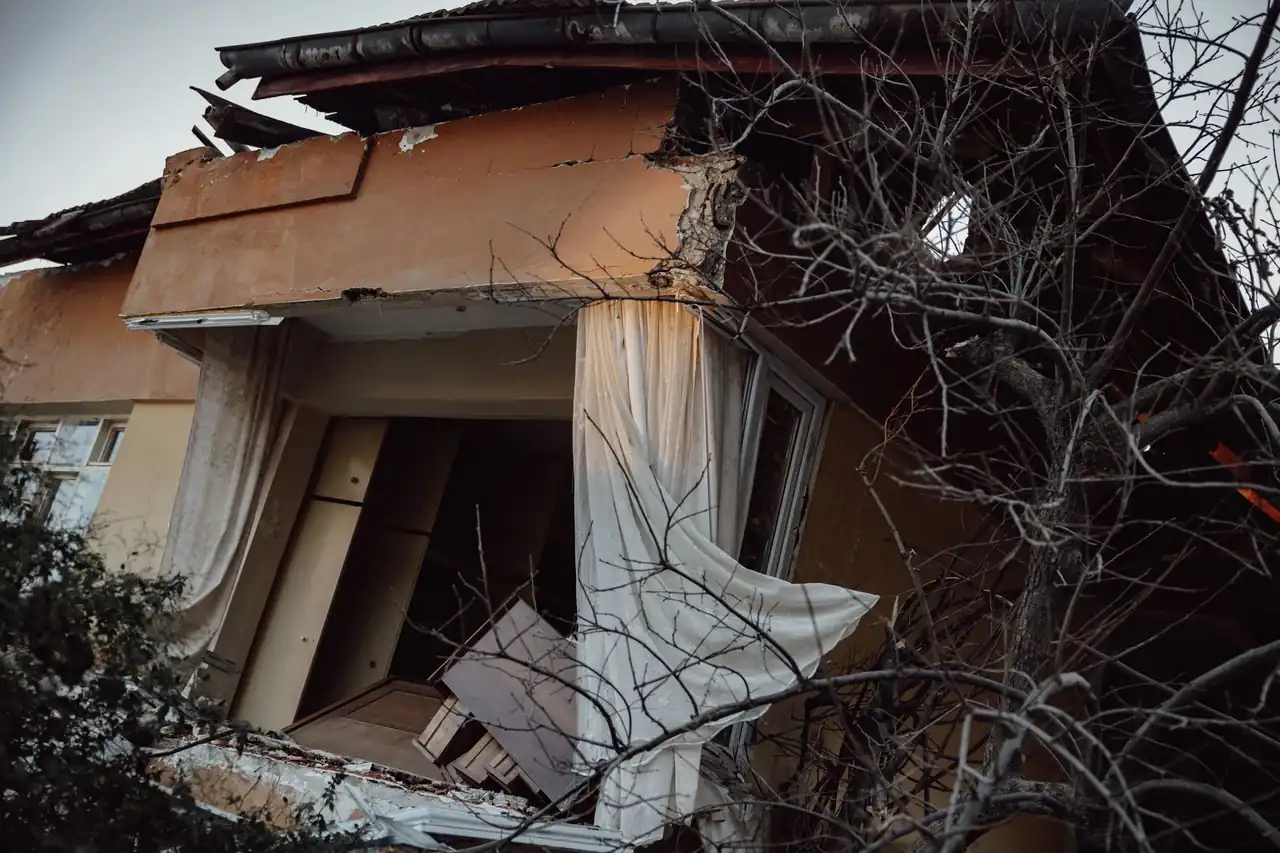
A pipe burst under our kitchen sink and soaked the carpet in the dining room. Lake Worth Beach Water Damage arrived in about an hour, extracted the water, and set up dryers. They checked moisture every day and showed me the readings. Carpet dried in three days and we did not have to replace it. Saved us a lot of money.
We manage several older buildings downtown, and water leaks are a constant issue. This company has handled wet carpet drying for us multiple times. They are professional, they document everything for insurance, and they communicate clearly. The carpet always dries without mold. I recommend them to all my owners.
After a storm pushed water under our back door, the carpet in two rooms was soaked. I called at 7 a.m. and they were here by 8:30. They pulled up the carpet, dried the pad separately, and put everything back. You cannot tell anything happened. The final moisture report gave me confidence the job was done right.
Most wet carpet drying jobs in Lake Worth Beach take two to four days. Light saturation from a small leak may dry in 48 hours. Heavily soaked carpet with water in the pad and subfloor can take four to five days. Humidity above 70 percent slows evaporation, so we run dehumidifiers continuously and monitor moisture twice daily until readings hit dry standard.
Most wet carpet can be saved if you start drying within 24 to 48 hours. Carpet that has been wet longer than 72 hours, or that shows mold growth, delamination, or a strong odor, usually needs replacement. We inspect the backing and pad before recommending anything. If it can be dried and re-stretched, we do that and save you the replacement cost.
Typical 2026 pricing for wet carpet drying in Lake Worth Beach runs $500 to $2,500 depending on square footage, water category, and how long the water sat. A single room with clean water is on the low end. Multiple rooms with contaminated water and subfloor involvement push toward the high end. We give you a written scope and price before we start.
Yes, most homeowners policies cover sudden and accidental water damage, including wet carpet drying. Burst pipes, appliance failures, and storm-driven water are commonly covered. Flood water from rising ground water usually requires separate flood insurance. We document the loss with photos and moisture readings and can bill your carrier directly to simplify the claim.
Not seeing your question? Our local team can help you understand urgency, scheduling and what to expect.
Ask the local teamWhen water is still spreading, emergency restoration stops the source and stabilizes the structure. We handle the extraction and drying that follows, so your wet carpet gets addressed in the same visit.
View service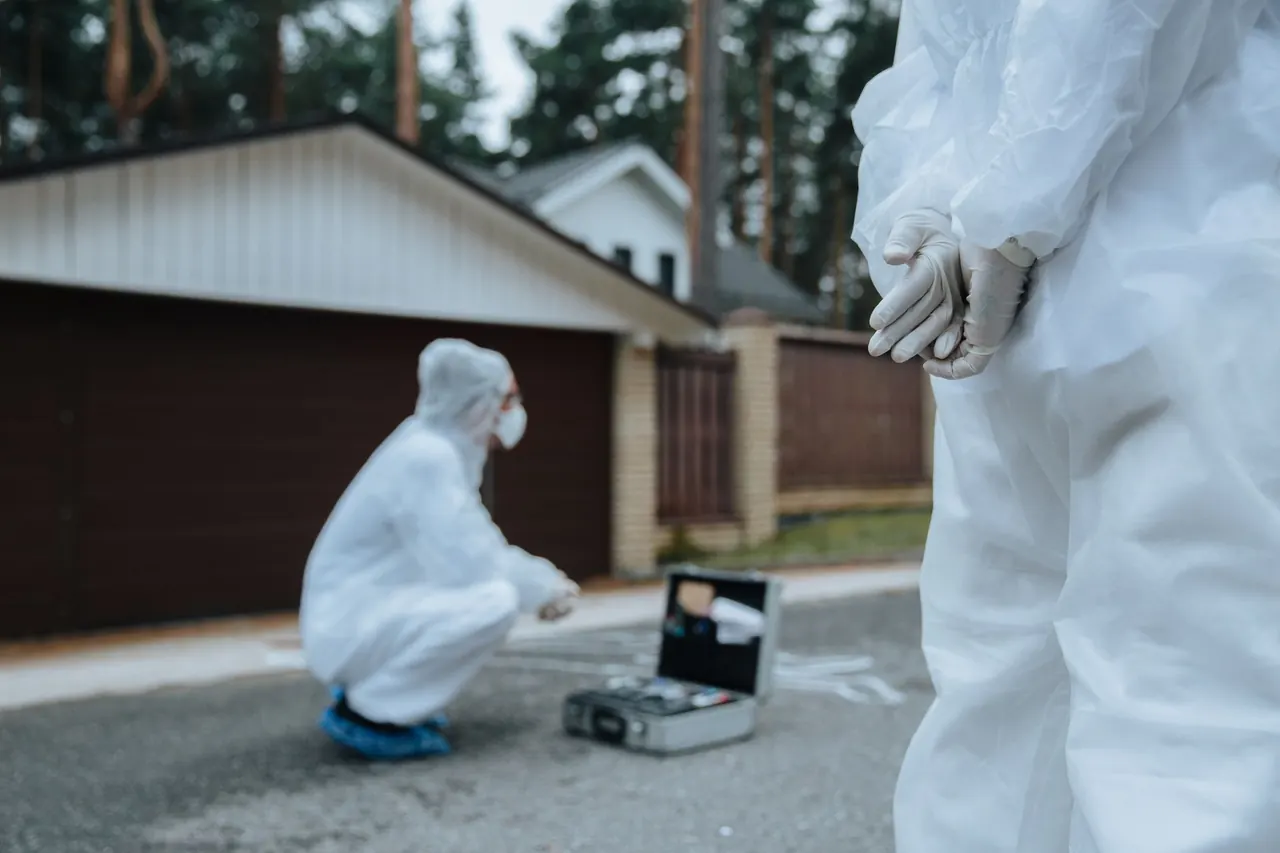
Homes in Lake Worth Beach face water damage from aging pipes, storms, and appliances. Our residential restoration service covers the full scope, and wet carpet drying is often the first step we take.
View service
Offices, retail spaces, and restaurants in the Lake Worth Park of Commerce need fast drying to reopen. We dry commercial carpet tiles and glue-down carpet with equipment sized for larger spaces.
View service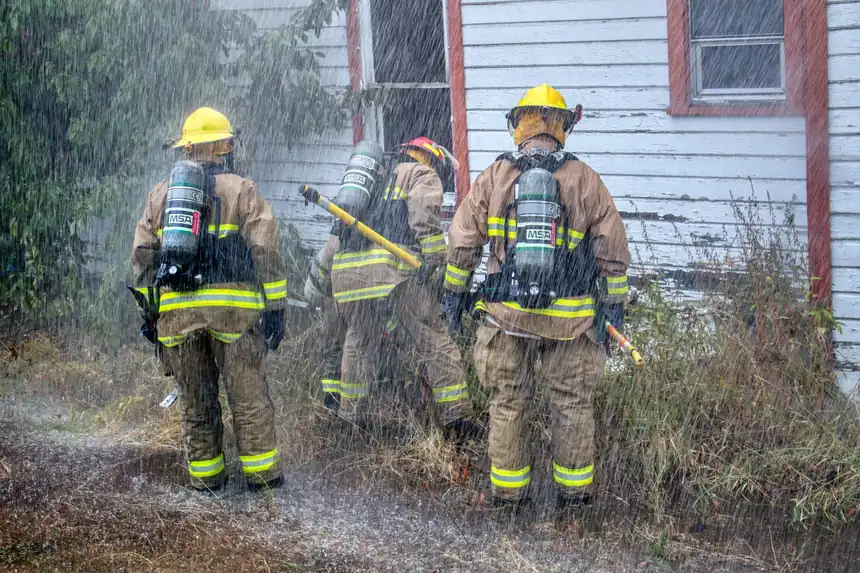
Extraction removes the bulk of standing water before drying begins. We use truck-mount and portable extractors to pull water from carpet and pad, cutting drying time and reducing the chance of mold.
View service
We answer the phone 24 hours a day, every day of the year. Call (561) 760-4158 and a technician will take your address, ask what happened, and dispatch a crew. Most Lake Worth Beach addresses see a truck within 60 to 90 minutes. If water is still running, shut the supply valve first, then call.