Focused arrival windows
Useful updates and clear arrival timing.
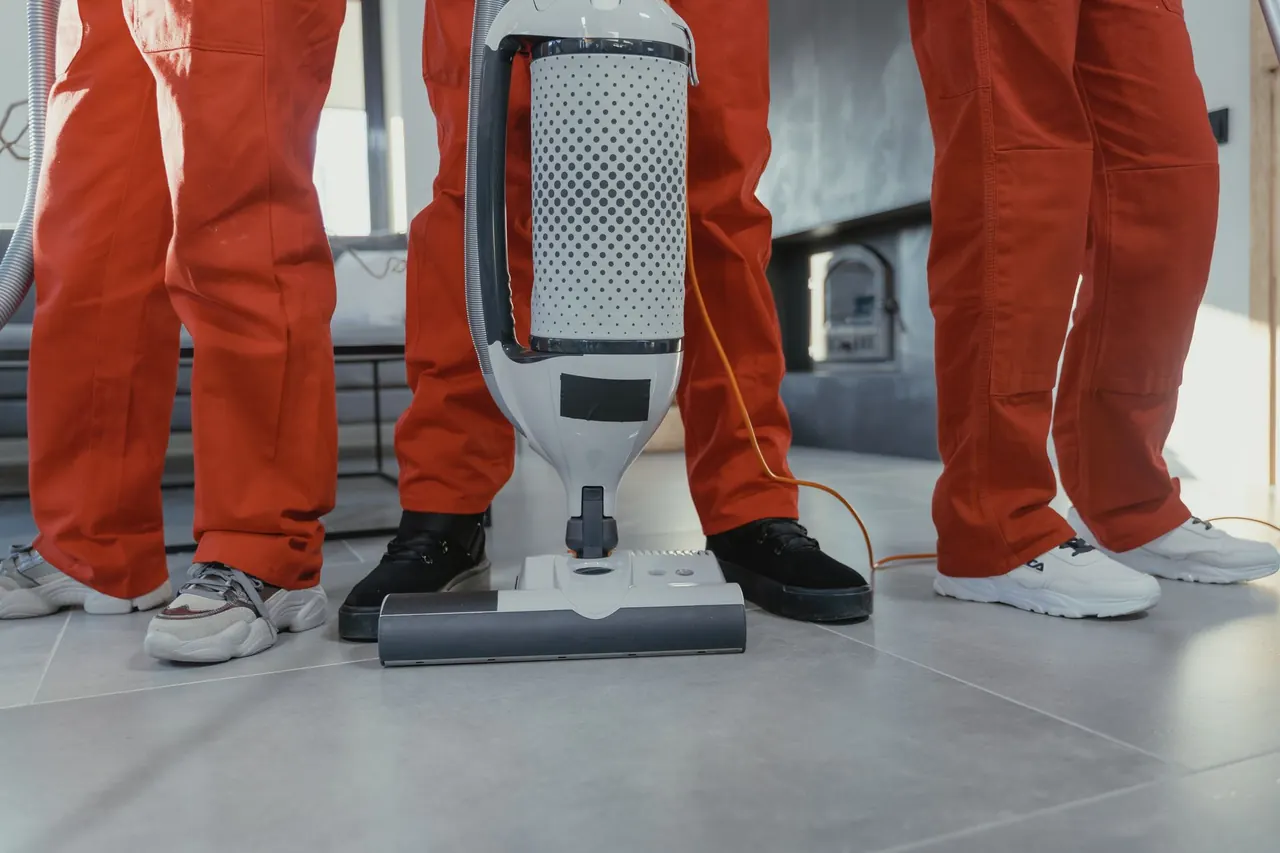
Standing Water Removal in Lake Worth Beach is our core service, and we treat it like the emergency it is. Whether a burst pipe flooded your kitchen or a storm pushed water into your garage, we arrive with truck-mounted extraction, moisture meters, and commercial dehumidifiers. We serve homeowners and businesses across Florida, from Bryant Park to Hypoluxo Island. Every hour counts, so we move fast.
Useful updates and clear arrival timing.
Review the approach and price before deciding.
Equipped vehicles and respectful cleanup.
Neighbors serving neighbors with follow-through.
Every job is different, but these are the core steps we include in a standard standing water removal. We can add on specialty services like mold remediation or duct cleaning if needed.
We remove standing water using pumps and truck-mounted extractors. This includes water in carpets, on hardwood, and in crawlspaces. We work until the bulk water is gone.
We use thermal cameras and pin meters to find hidden moisture in walls, floors, and ceilings. This tells us exactly where to dry and ensures we do not miss anything.
We place air movers and dehumidifiers to dry the structure. We calculate the number of units based on the size of the wet area. We monitor daily and adjust as needed.
After extraction, we apply antimicrobial spray to prevent mold growth. This is especially important for Category 2 or 3 water. We use EPA-registered products.
We photograph the damage, log moisture readings, and provide a drying report. We bill most major insurance carriers directly. You get a copy of everything.
Share what is happening and receive a clear next step from the local team.
Standing Water Removal in Lake Worth Beach means pumping, extracting, and disposing of water that has pooled on your floors, in your crawlspace, or inside walls. We use gas-powered trash pumps for deep water, truck-mounted extractors for carpet and hardwood, and weighted extraction heads for glue-down flooring. After the water is gone, we map moisture with thermal cameras and pin-type meters to find hidden saturation. Then we set drying equipment and monitor until your structure reads dry.
Lake Worth Beach sits at 10 to 15 feet above sea level, so water has nowhere to drain when a summer storm stalls over the barrier island. We see this constantly in Parrot Cove and Mango Groves, where 1940s bungalows have original cast-iron drains that back up during king tides. If your yard floods and your slab-on-grade home takes on water, call us before you shop vac. We handle emergency water extraction and structural drying so you are not fighting mold three days later.
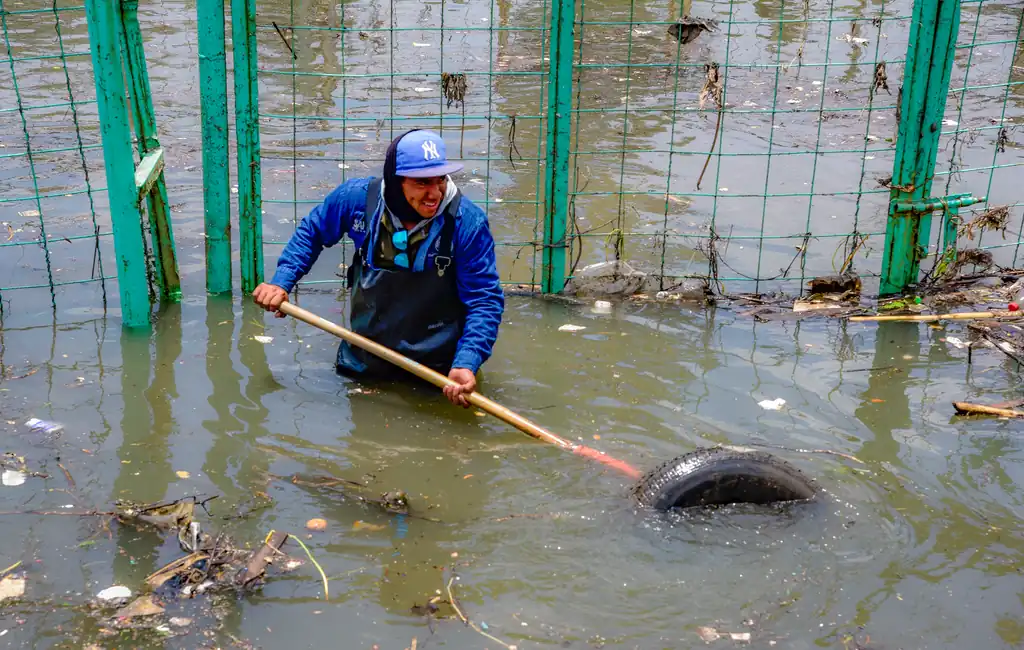
You call us at (561) 760-4158. We ask three questions: where is the water, how deep is it, and is it clean or contaminated? That tells us what equipment to load. We dispatch a crew with pumps, extractors, and drying gear. You get a text when we are on the way.
We walk the property, find the source, and shut it off if you have not already. We check for electrical hazards and turn off breakers to wet areas. Then we take moisture readings and photos. This takes 15 to 30 minutes and gives us a baseline for your insurance claim.
We start with trash pumps for anything over two inches deep. Once the bulk water is gone, we switch to truck-mounted extractors for carpet, pad, and hardwood. We use weighted heads to push water out of carpet fibers. A typical 500-square-foot room takes one to two hours to extract.
We set axial fans, dehumidifiers, and air scrubbers based on the size of the wet area. We place moisture meters in walls, floors, and cabinets. You get daily readings and photos. Most jobs dry in three to five days. We do not pull equipment until your structure reads dry.
We remove equipment, take final moisture readings, and walk you through the results. You get a drying report with photos and readings for your records or your adjuster. If any material needs replacement, we tell you exactly what and why. No surprises.
Pulls water from carpet, pad, and hardwood. It is faster and more powerful than a shop vac.
Removes deep standing water from garages, crawlspaces, and yards. It can move hundreds of gallons per minute.
Finds hidden moisture behind walls and under floors. It shows us exactly where to focus drying.
Measures moisture content in wood and drywall. We use it to determine when materials are dry.
Pulls moisture from the air to speed drying. We use low-grain refrigerant and desiccant units.
Circulates air across wet surfaces to evaporate moisture. We place them based on a calculated drying plan.
Filters airborne mold spores and debris. We use it after extraction to improve air quality.
We follow the IICRC S500 standard for water damage restoration. This means we classify the water, determine the class of damage, and dry to a documented standard. It is the industry benchmark.
We create a map of moisture readings throughout the affected area. This guides our drying setup and tells us when the job is complete. We update it daily.
For wet walls, we drill small holes at the base to allow air to circulate inside the cavity. This dries the insulation and framing without removing drywall.
We use specialized mats that pull moisture from hardwood floors. This saves floors that would otherwise cup and need replacement.
We apply EPA-registered antimicrobials after extraction to prevent mold growth. This is standard for Category 2 and 3 water.
We arrive with pumps and generators. We extract the water, remove damaged drywall, and dry the framing. We also treat for mold and document everything for your insurance claim. Your condo is dry and safe within five days. You have a full report for your adjuster.
We shut off the water, extract it from the kitchen and adjacent rooms, and set drying equipment. We also check the cabinets and subfloor for hidden moisture. The kitchen is dry in three days. No mold, no warped cabinets.
We pump the standing water, extract the rest, and dry the space. We also check for damage to stored items and the water heater. Garage is dry and usable again in two days. We give you tips to prevent future backups.
We extract the water, remove contaminated materials, and sanitize the area. We set drying equipment and monitor daily. The unit is ready for the tenant in four days. You have documentation for your records.
Lake Worth Beach has a unique combination of older homes, high water tables, and tropical storms. Many houses in the Historic District and Mango Groves were built in the 1920s and 1930s with wood-frame construction and pier-and-beam foundations. These homes can hold moisture in ways modern construction does not. We adjust our drying approach for these structures, using lower heat and more airflow to prevent warping. We also deal with slab-on-grade homes in Sunset Ridge and College Park, where water can wick up through the slab. Our local experience means we know which neighborhoods flood first and how to dry them fast. If you need flood water removal in Lake Worth Beach, we are ready.
Low-lying streets near the Intracoastal flood during heavy rain. We keep extra pumps ready for this area.
Historic wood-frame homes require gentle drying to avoid damage. We use low-heat methods here.
Commercial buildings and condos with flat roofs are prone to roof leaks. We handle both residential and commercial calls.
Luxury homes with crawlspaces and high-end finishes. We use specialized drying to protect expensive materials.
Water has nowhere to drain, so standing water can persist for days. We pump it out and dry the ground to prevent mold.
Saltwater intrusion can back up drains and flood streets. We treat saltwater damage differently than freshwater.
From June to November, storm surge and heavy rain are common. We keep emergency crews on standby.
Cast-iron and galvanized pipes fail more often. We know how to shut them off and extract water without causing more damage.
A king tide backed up the floor drain and flooded a two-car garage with three inches of water. The water sat for six hours before the homeowner called. Boxes and stored items were soaked.
We pumped the water out in 45 minutes, extracted the rest, and set two dehumidifiers and four air movers. The garage was dry in two days. No mold growth. The homeowner saved the stored items.
Maintenance: We recommended a backflow preventer on the floor drain to stop future king tide backups. The homeowner installed it the following week.
A supply line to the washing machine burst and flooded the laundry room, hallway, and two bedrooms. Carpet was saturated, and water had wicked up the drywall six inches.
We extracted 150 gallons of water, removed the wet carpet pad, and drilled weep holes in the drywall. After four days of drying, moisture readings were normal. The carpet was saved, and only the pad was replaced.
Maintenance: We replaced the burst line with a braided stainless steel hose and recommended checking hoses every six months.
A toilet supply line failed in a third-floor condo, sending water through the ceiling of the unit below. Both units had standing water and saturated drywall.
We extracted water from both units, removed contaminated drywall, and set drying equipment. After five days, both units were dry. We provided documentation for the HOA insurance claim.
Maintenance: We recommended replacing all toilet supply lines in the building and installing water alarms. The HOA scheduled replacements.
Standing water is more than an inconvenience. It is a countdown to mold, rot, and expensive repairs. Here is what we fix.
Mold can start growing in 24 to 48 hours. Structural wood can begin to rot within a week. The longer it sits, the more you pay. We extract the water the same day you call. Then we set drying equipment and monitor until your structure is dry. We document everything for insurance.
Category 3 water contains harmful bacteria and viruses. It requires special handling and disposal. If left, it can cause serious health issues. We remove the water, sanitize the area, and dispose of contaminated materials. We follow IICRC protocols for Category 3 water. We also check for hidden moisture.
Crawlspace water breeds mold and rots floor joists. It can also attract pests. Many homeowners do not notice until the floor sags. We pump the water, remove debris, and dry the space with specialized equipment. We also check the vapor barrier and recommend repairs to prevent future flooding.
Wood absorbs water and swells. Cupping and crowning can become permanent if not dried quickly. You may lose the entire floor. We use floor mats and drying panels to pull moisture from the wood. We monitor with pin meters. Many floors can be saved if we get there within 72 hours.
$500 - $2,500 for most residential jobs
Standing water removal in Lake Worth Beach typically costs $500 to $2,500 for residential jobs, depending on the size of the affected area and the category of water. Clean water from a burst pipe costs less than contaminated water from a sewage backup. We provide a written scope before we start, so you know the price. We also bill insurance directly for covered claims. Our pricing is transparent and competitive. We do not add hidden fees.
The cost of standing water removal is a fraction of what you would pay for mold remediation or structural repairs. Fast action saves you thousands. We also work with your insurance to minimize out-of-pocket costs.
The larger the area, the more equipment and labor required. A single room costs less than a whole house. We measure and give you a price based on actual dimensions.
Category 1 (clean) is the least expensive. Category 2 (gray) and Category 3 (black) require antimicrobial treatments and disposal of contaminated materials, which adds cost.
Water that has sat for more than 48 hours can cause more damage and require longer drying times. This increases the cost but is still cheaper than mold remediation.
Carpet, hardwood, and drywall all dry differently. Hardwood may require floor mats, which adds equipment costs. We tell you upfront what is needed.
Crawlspaces and tight spaces take longer to dry. We may need special equipment to reach the area. We include this in the scope.
We are a local crew, not a franchise call center. Our technicians train on IICRC S500 standards for water damage restoration and carry state-licensed plumbing and mold remediation credentials. We have extracted water from hundreds of Lake Worth Beach homes, from historic cottages in the Mango Groves to newer builds in Sunset Ridge. We know which neighborhoods flood first, which drains back up during king tides, and how to dry a 1920s wood-frame house without causing secondary damage. When you call, you talk to someone who has been on these jobs.
Our washing machine line burst at 11 p.m. and flooded the laundry room and hallway. Lake Worth Beach Water Damage arrived in under an hour. They extracted the water, set fans, and came back daily to check moisture. Everything was dry in four days. They even helped with the insurance paperwork. Highly recommend.
A tenant's toilet overflowed and water ran into two units. The crew was professional and fast. They extracted the water, treated for bacteria, and dried the walls. The moisture readings were documented for our records. We did not have to replace any flooring. Great work.
After a heavy storm, our garage had two inches of standing water. They pumped it out and dried the space in three days. They also found a hidden leak behind the water heater that we did not know about. Honest and thorough. I will use them again if needed.
Most residential jobs run $500 to $2,500, depending on square footage, water category, and how long it sat. A single room with clean water might be $500 to $900. A whole-house flood with contaminated water can exceed $3,000. We give you a written scope before we start, and we bill insurance directly when covered.
Extraction usually takes one to four hours for a typical home. Drying takes three to five days. If water was deep or sat for more than 48 hours, drying can stretch to seven days. We monitor daily and give you a target completion date on day one.
Yes. Crawlspace water removal is one of our most common calls in Lake Worth Beach. We pump the standing water, remove debris, and set specialized drying equipment. We also check for vapor barrier damage and recommend repairs. Most crawlspaces dry in three to four days with proper airflow.
Most homeowners stay home. Drying equipment is loud, so some people sleep in a back bedroom or stay with family. If we are using antimicrobial treatments or the water was contaminated, we may recommend staying out for 24 hours. We tell you upfront what to expect.
Not seeing your question? Our local team can help you understand urgency, scheduling and what to expect.
Ask the local team
When standing water has already damaged drywall or flooring, we move into full restoration. We handle extraction, drying, and repairs. Call us for any water emergency in Lake Worth Beach.
View service
Homes in Lake Worth Beach face unique moisture challenges. We restore houses after leaks, storms, and appliance failures. Our residential crews know how to dry historic wood-frame construction without causing damage.
View service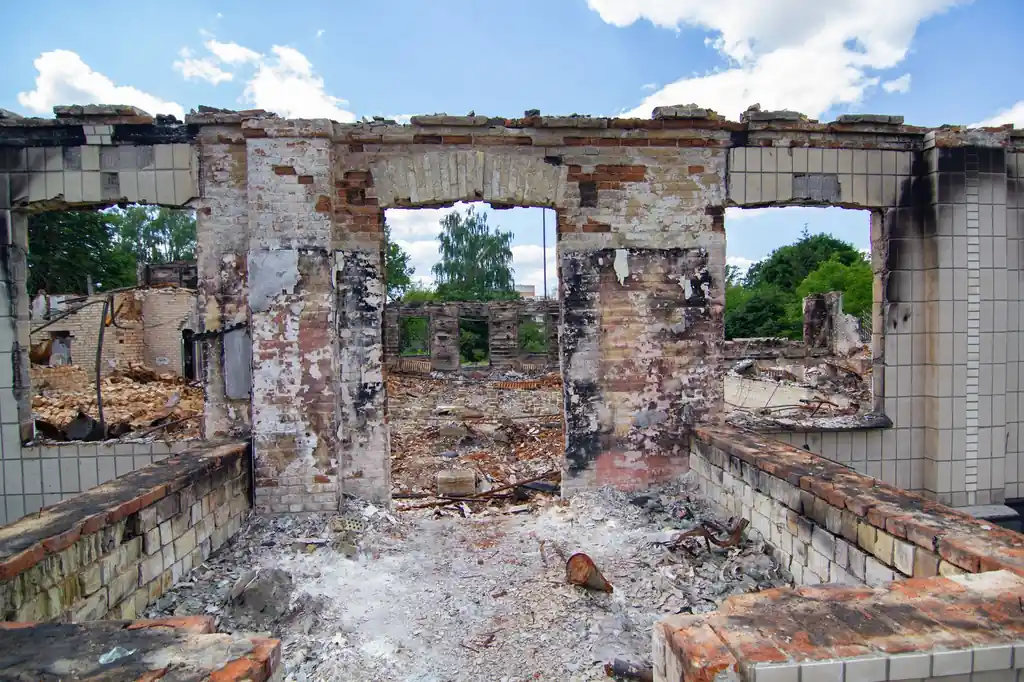
We serve businesses along Lake Worth Park of Commerce and Downtown. Standing water can shut you down. We work after hours to extract, dry, and get you back open fast.
View service
This is our first step on any standing water job. We use truck-mounted extractors and pumps to remove water fast. If you have more than an inch of water, call us immediately.
View service
We answer the phone 24 hours a day, every day of the year. Call (561) 760-4158 and a technician will take your address, ask what happened, and dispatch a crew. Most Lake Worth Beach addresses see a truck within 60 to 90 minutes. If water is still running, shut the supply valve first, then call.