Focused arrival windows
Useful updates and clear arrival timing.
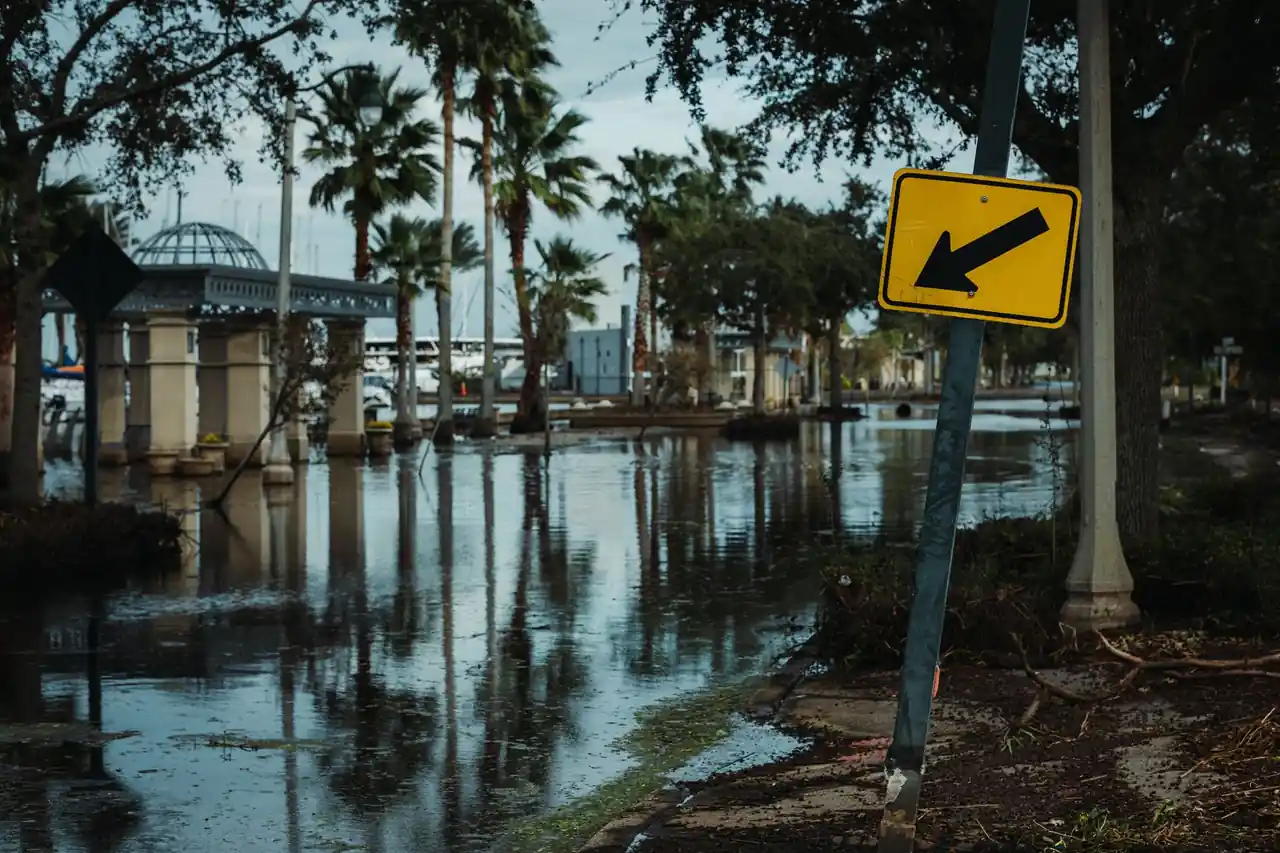
Dishwasher Leak Water Removal in Lake Worth Beach is a same-day emergency service that pulls water out of your cabinets, subfloor, and tile grout before it warps the wood or feeds mold. We handle the extraction, set drying equipment, and check the moisture levels until the kitchen is dry. If your dishwasher has been leaking under the counter for days, call us now at (561) 760-4158.
Useful updates and clear arrival timing.
Review the approach and price before deciding.
Equipped vehicles and respectful cleanup.
Neighbors serving neighbors with follow-through.
Every dishwasher leak job starts with the same core scope: extraction, structural drying, moisture monitoring, and antimicrobial treatment. What changes is how far the water traveled and how much of the cabinet or subfloor needs attention. Here is what you get.
We disconnect the supply line, slide the dishwasher out, and inspect the cabinet base, subfloor, and wall framing with moisture meters and a thermal camera. This tells us exactly where the water went and how much drying equipment we need.
Truck-mounted extractors and portable wet vacuums pull standing water from the cabinet base, floor cavities, and tile grout lines. We extract until the surface is dry to the touch, then use moisture meters to find what is still trapped below.
We position air movers to circulate air through the cabinet cavity and place a commercial LGR dehumidifier in the kitchen. The equipment runs continuously for two to four days. We return daily to check readings and adjust the setup.
Every day, we take moisture readings at the same points and log them. This tells us whether the drying is on track and gives your insurance adjuster a documented record. We do not remove equipment until the wood is below 16 percent moisture content.
Once the structure is dry, we apply an antimicrobial to the cabinet base, subfloor, and any wall framing that got wet. This stops mold spores from colonizing the damp wood. In Lake Worth Beach humidity, untreated wood can grow mold in under a week.
On the last day, we take final moisture readings, remove the equipment, and walk you through the dried area. You get a written report with photos, daily logs, and a short checklist for watching the area over the next two weeks. We also flag anything that needs a plumber or cabinet repair.
Share what is happening and receive a clear next step from the local team.
Dishwasher Leak Water Removal in Lake Worth Beach is the process of extracting trapped water from under and around a leaking dishwasher, then drying the cabinet base, subfloor, and surrounding flooring to prevent rot and mold growth. A failed door gasket, a cracked inlet hose, or a loose drain connection can dump a gallon of water per cycle into a space you never see. We pull the unit, vacuum the standing water, and use moisture meters to map how far it traveled.
Most Lake Worth Beach homes were built between the 1920s and 1970s, and many still have original wood subfloors under the kitchen tile. That wood soaks up water like a sponge and stays wet for weeks in our humid climate. We see this constantly in Parrot Cove and the Historic District, where a slow dishwasher drip turns into soft floorboards and a musty smell. If you catch it early, drying takes two to three days. If you wait, you are looking at cabinet replacement and possible mold remediation.
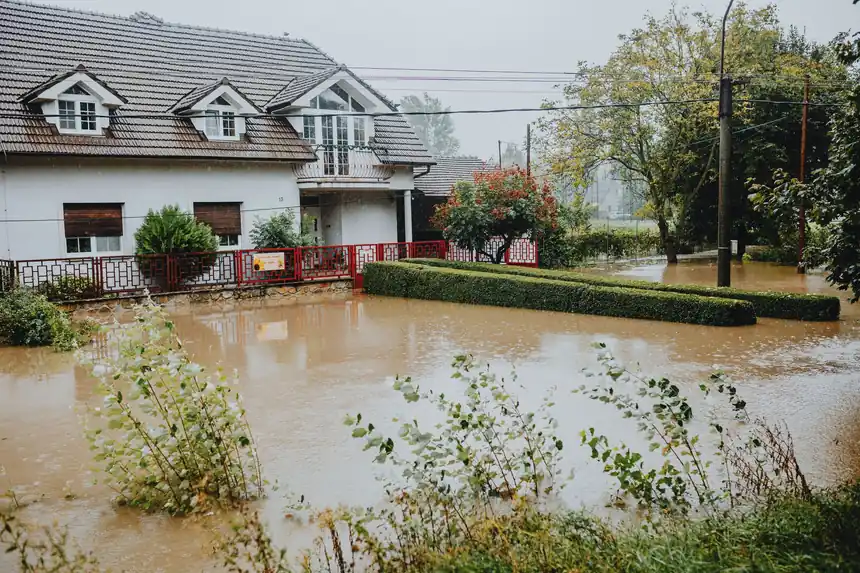
You call (561) 760-4158 and describe what you are seeing. We ask about the dishwasher model, how long it has been leaking, and whether the floor feels soft. A technician is dispatched immediately with extraction and drying equipment. Most Lake Worth Beach addresses see us in 60 to 90 minutes.
We shut off the water supply to the dishwasher and pull the unit out from under the counter. Using a pin-type moisture meter and a thermal camera, we map exactly how far the water spread under the tile, into the toe kick, and along the wall framing. This takes 20 to 30 minutes.
Truck-mounted extractors pull standing water from the cabinet base and floor cavities. For water that seeped under the tile, we use a weighted extraction head to draw it up through the grout lines. This step typically takes 45 to 90 minutes depending on how much water is trapped.
We position air movers to circulate air through the cabinet cavity and place a commercial dehumidifier in the kitchen. The equipment runs 24/7 for two to four days. We return daily to check moisture readings and adjust the setup until the subfloor and framing are dry.
On the last day, we take final moisture readings and confirm the wood is below 16 percent. We remove the equipment, provide a written drying report with photos and daily logs, and give you a checklist for watching the area over the next two weeks. The whole job is usually three to five days.
Pulls large volumes of standing water from cabinet bases and kitchen floors. The truck-mounted unit provides stronger suction than portable units, which means faster extraction and less water left behind.
Draws water up through tile grout lines and from under hard flooring. The weighted head presses down on the surface while the vacuum pulls, reaching water that a standard wand cannot touch.
Reveals the temperature difference between wet and dry materials, showing us exactly where the dishwasher leak traveled behind walls and under floors without tearing anything out.
Measure moisture content in wood, drywall, and subfloor at different depths. We use these daily to track drying progress and confirm the structure is below 16 percent before we remove equipment.
Pulls moisture out of the air so wet wood can release its water. Low-grain refrigerant dehumidifiers work efficiently in the warm, humid Lake Worth Beach climate and keep the drying process on schedule.
Circulate air through the cabinet cavity and across the kitchen floor to speed evaporation. We position them to create a vortex that reaches the back corners of the cabinet where water pools.
Applies an EPA-registered antimicrobial to the cabinet base, subfloor, and wall framing after drying. This stops mold spores from colonizing the wood and is included in every dishwasher leak job.
We follow the IICRC S500 standard for water damage restoration, which sets the industry baseline for extraction, drying, and moisture verification. This means we dry to a measurable standard, not by feel. Every job is documented against the S500 drying goals.
Before we extract, we scan the kitchen with a thermal camera to map the full extent of the water. This shows us where the dishwasher leak traveled behind the cabinets and under the floor, so we do not miss a hidden pocket of moisture.
We take moisture readings at the same points every day and log them. This tells us whether the drying is on track and gives your insurance adjuster a documented record. We adjust the equipment placement if any reading stalls.
After the structure is dry, we apply an antimicrobial to the cabinet base, subfloor, and wall framing. This is a preventive step that stops mold spores from colonizing the wood. In Lake Worth Beach humidity, it is not optional.
We pull the dishwasher, extract the standing water, and dry the cabinet base and subfloor. If the leak is from a failed gasket or hose, we flag it for your plumber or appliance tech so the repair happens before we finish drying. The cabinet base dries solid, the puddle stops, and you avoid a cabinet replacement. Most jobs like this take three days.
We extract the standing water, map the full affected area with thermal imaging, and set up a larger drying system. Because the water sat longer, we pay extra attention to the subfloor and wall cavities for hidden moisture. The kitchen dries completely, mold is prevented, and you have a full documentation packet for your insurance claim.
We perform a moisture detection inspection, extract any trapped water, and dry the area. We provide a written report with before-and-after moisture readings that you can give to the buyer or their inspector. The moisture issue is resolved and documented, and the sale moves forward without a last-minute repair credit.
We handle commercial dishwasher leak water removal after hours, extract the water, dry the cabinet and floor, and apply antimicrobial treatment. We document everything for your liability carrier and the health department. The odor is gone, the kitchen passes inspection, and you have a record showing the issue was addressed professionally.
We extract the water, dry the cabinet and subfloor, and check for mold growth that may have started during the humid outage period. We coordinate with your insurance on both the storm claim and the appliance leak. The kitchen is dry and mold-free, and your claim covers both the storm damage and the dishwasher leak.
Lake Worth Beach is a coastal city with high humidity year-round, and that changes how we handle dishwasher leak water removal. The average relative humidity here stays above 70 percent most of the year, which means wet wood dries slower than it would inland. We run dehumidifiers longer and check moisture readings more often. The building stock matters too. Many homes in the Historic District and Parrot Cove were built in the 1920s and 1930s with original wood subfloors and pier-and-beam construction. Water from a dishwasher leak wicks into that old wood and can travel further than you expect. We use thermal imaging to trace it. Summer is our busiest season for appliance leaks because the afternoon storms push humidity even higher. Hurricane season, June through November, adds another layer: power outages can leave a leaking dishwasher running undetected for days. We prioritize occupied homes after a storm and work through the backlog. If you are in North Lake Worth Beach or South Lake Worth Beach and your dishwasher has been leaking, call (561) 760-4158. We know these kitchens.
Many homes here have original wood subfloors and older plumbing. Dishwasher leaks in these houses tend to travel further because the wood is more porous. We use deep-probe meters to check the full depth.
Parrot Cove has a mix of renovated bungalows and newer builds. We see dishwasher leaks in both, but the older homes need longer drying times because the original framing holds moisture.
Waterfront homes on Hypoluxo Island sit in a high-humidity microclimate. Dishwasher leaks here need extra dehumidification because the ambient moisture slows the drying process.
College Park has many mid-century homes with tile over concrete slab. When a dishwasher leaks here, the water spreads across the slab and under the tile. We use weighted extraction heads to pull it up.
Downtown has a mix of older commercial and residential buildings. Dishwasher leaks in ground-floor units can affect the space below. We check the ceiling cavity as part of every downtown job.
Wet wood dries slower here than inland. We run dehumidifiers longer and check moisture readings daily to make sure the structure is actually drying, not just feeling dry on the surface.
Older wood is more porous and wicks water further from the leak source. We use thermal imaging and deep-probe meters to map the full affected area before we set drying equipment.
Storm humidity slows the drying process and can spike indoor moisture levels. We adjust equipment placement and run dehumidifiers continuously during storm season to keep the job on schedule.
A leaking dishwasher can run undetected during an outage. When power returns, we prioritize occupied homes and check for mold growth that may have started during the humid outage period.
A 1940s bungalow in Parrot Cove had a dishwasher leaking for at least two weeks. The cabinet base was soft, the tile was lifting, and the kitchen smelled musty. Moisture readings in the subfloor were above 30 percent.
We pulled the dishwasher, extracted 4 gallons of trapped water, and ran air movers and a dehumidifier for four days. Final moisture readings were below 14 percent. The cabinet base dried solid and the musty smell was gone.
Maintenance: Replace the dishwasher door gasket every 12 to 18 months and check the supply line for cracks each spring. A $15 gasket prevents a $1,500 drying job.
A mid-century home in College Park had water spreading across the concrete slab under the kitchen tile. The dishwasher supply line had a pinhole leak that sprayed water every cycle. The tile grout was cracking and the floor felt damp.
We used weighted extraction heads to pull water up through the grout lines, then dried the slab and tile for three days. Moisture readings dropped from 28 percent to 11 percent. The tile stayed in place and the grout was re-sealed.
Maintenance: Check the dishwasher supply line for pinhole leaks every six months. Look for damp spots on the tile and listen for a hissing sound under the cabinet.
A downtown Lake Worth Beach rental unit had a dishwasher that leaked slowly for a month. The tenant noticed a musty odor but did not report it. When we arrived, the cabinet base had visible mold growth and the subfloor was saturated.
We extracted the water, removed the mold-affected cabinet base panel, dried the subfloor for five days, and applied antimicrobial treatment. Final readings were below 13 percent. The unit passed a follow-up mold inspection and was re-rented within two weeks.
Maintenance: Ask tenants to report any musty smell or soft cabinet base immediately. A monthly visual check under the dishwasher catches slow leaks before they spread.
A dishwasher leak is sneaky. The water goes where you cannot see it, and by the time you notice, the damage is already underway. These are the problems we fix every week in Lake Worth Beach.
Particle board and plywood cabinet bases swell and crumble when they stay wet. If ignored, the cabinet loses structural strength and the dishwasher can sag or fall out of alignment. We pull the dishwasher, extract the trapped water, and dry the cabinet base with targeted air movement. If the wood is still solid, drying saves it. We check moisture daily and only stop when the reading is below 16 percent.
That smell is mold growing in the damp cabinet cavity or subfloor. Mold spreads fast in Florida humidity and can trigger allergies and respiratory issues for your family. We find the moisture source with thermal imaging, dry the structure completely, and apply an antimicrobial to the affected wood. If visible mold is present, we follow IICRC mold remediation protocols and document the treatment for your records.
Water under the tile expands and contracts with temperature changes, breaking the bond between the tile and the subfloor. Once tiles lift, you are looking at a flooring repair on top of the water damage. We extract water from under the tile using weighted extraction heads, then dry the subfloor from below and above. Catching it early often saves the tile. If the grout is already failing, we document it for your flooring contractor.
If your kitchen is on an upper floor, dishwasher water can soak through the subfloor and stain or sag the ceiling below. That is a sign the water traveled further than you thought. We trace the water path with moisture meters and thermal imaging, then dry both the kitchen subfloor and the ceiling cavity below. This prevents the drywall from sagging and stops mold from growing between the floors.
Adjusters deny appliance leak claims when there is no proof of the moisture levels, the affected area, or the drying process. Without documentation, you pay out of pocket. We photograph every moisture reading, sketch the affected area, and log daily drying progress. That packet gives your adjuster the numbers they need. We have worked with local adjusters on hundreds of appliance leak claims.
$450 - $1,800 depending on scope
Typical 2026 pricing for dishwasher leak water removal in Lake Worth Beach runs $450 to $1,800 depending on how far the water traveled and how long the drying takes. A small cabinet spill with minimal saturation sits at the low end. A subfloor saturation with antimicrobial treatment and five days of monitoring sits at the high end. Most homeowner insurance policies cover sudden appliance discharge, so your out-of-pocket cost is often just your deductible. We give you a written estimate before we start, and we do not add charges without telling you first.
The cost of drying a dishwasher leak is a fraction of the cost of replacing cabinets, subfloor, and flooring. Catching it early and drying it right saves you thousands and prevents mold. We give you a written estimate before we start, and we do not add charges without telling you first.
Water that stays in the cabinet base costs less to dry than water that reaches the subfloor, wall framing, or the room below. We map the full affected area with thermal imaging before we quote, so the price reflects the actual job.
Most jobs dry in two to four days. If the subfloor is saturated or the humidity is high, it can take five days. Each additional day adds equipment rental and monitoring time to the cost.
Particle board cabinet bases swell and may need replacement. Solid wood cabinets usually dry and survive. Tile over concrete dries differently than tile over wood subfloor. The material determines how long the drying takes and whether repairs are needed.
If mold is already growing, we add remediation steps: containment, removal of affected material, and antimicrobial treatment. Catching the leak early avoids this cost entirely. Mold remediation can double the job price.
If you file a claim, we provide the documentation your adjuster needs. The cost to you is your deductible. We work directly with local adjusters and can help you understand what your policy covers before we start.

We have handled hundreds of dishwasher and appliance leaks across Lake Worth Beach, from the Historic District bungalows to the newer builds near Lake Worth Park of Commerce. Our technicians are IICRC-trained in water damage restoration and carry moisture detection equipment on every truck. We know how water behaves under Florida tile, how fast mold grows in our humidity, and what local adjusters need to see in a claim packet. That local pattern recognition is why we can tell you in the first ten minutes whether your cabinets are salvageable or whether we need to recommend replacement.
Our dishwasher had been leaking under the counter for who knows how long. The cabinet base was soft and the tile was lifting. Lake Worth Beach Water Damage pulled the unit, extracted a shocking amount of water, and set up fans and a dehumidifier. Three days later the moisture readings were normal. They also gave us the photos and logs our insurance adjuster needed. Worth every penny.
I called at 7 a.m. after finding water all over my kitchen floor from a cracked dishwasher hose. The technician was here by 8:30. He shut off the line, pulled the dishwasher, and had the standing water out in under an hour. The drying took four days because the subfloor was soaked, but they checked it every day and kept me updated. No mold, no cabinet replacement.
I manage several rental units downtown and dishwasher leaks are a recurring headache. This crew is my first call. They respond fast, document everything for the owner's insurance, and leave the unit dry and ready to re-rent. The last job was a slow gasket leak that had warped the cabinet toe kick. They dried it out, treated it, and saved the cabinets. Professional and no drama.
Most dishwasher leak water removal jobs in Lake Worth Beach run $450 to $1,800 for extraction and three to five days of structural drying. The low end covers a small cabinet spill with minimal saturation. The high end includes subfloor drying, antimicrobial treatment, and daily monitoring. If you file an insurance claim, most homeowner policies cover sudden appliance discharge, and you are typically responsible for your deductible only.
Drying a dishwasher leak takes two to four days with commercial air movers and a dehumidifier running continuously. The first 24 hours remove the bulk of the moisture. Days two through four pull the remaining water out of the subfloor and cabinet framing. We check moisture readings daily and do not remove equipment until the wood is below 16 percent. Rushing this step is how mold starts.
A box fan and towels will dry the surface but leave the subfloor and cabinet base wet for weeks. Water wicks into the wood and the tile grout, and a household fan does not move enough air to pull it out. In Lake Worth Beach humidity, that trapped moisture feeds mold within 48 to 72 hours. Our commercial dehumidifiers and air movers dry the structure, not just the surface.
Yes, most homeowner policies cover sudden and accidental dishwasher discharge, including extraction, drying, and antimicrobial treatment. We document moisture readings, take photos, and provide a daily drying log that gives your adjuster everything they need. We work directly with local adjusters on appliance leak claims and can walk you through the paperwork. Call (561) 760-4158 and we will start the documentation on day one.
Not seeing your question? Our local team can help you understand urgency, scheduling and what to expect.
Ask the local team
When a dishwasher leak spreads beyond the kitchen cabinet into the living room or hallway, emergency water damage restoration covers the full affected area. We extract, dry, and restore flooring, baseboards, and drywall across multiple rooms in Lake Worth Beach homes.
View service
Dishwasher leaks are one of the most common residential water damage calls we get in Lake Worth Beach. This service covers the full scope of home water damage, from the initial extraction through structural drying, repairs, and final moisture verification before we close the job.
View serviceRestaurant and commercial kitchens in Lake Worth Park of Commerce run dishwashers on heavy cycles. When one leaks, we handle commercial water damage restoration with after-hours scheduling so your kitchen does not lose a full day of service. We extract, dry, and document for your liability carrier.
View service
Standing water under a dishwasher needs to come out fast. Our emergency water extraction service uses truck-mounted units and weighted extraction heads to pull water from cabinet bases, tile grout, and floor cavities. Most Lake Worth Beach extraction calls are complete within two hours of arrival.
View service
We answer the phone 24 hours a day, every day of the year. Call (561) 760-4158 and a technician will take your address, ask what happened, and dispatch a crew. Most Lake Worth Beach addresses see a truck within 60 to 90 minutes. If water is still running, shut the supply valve first, then call.