Focused arrival windows
Useful updates and clear arrival timing.
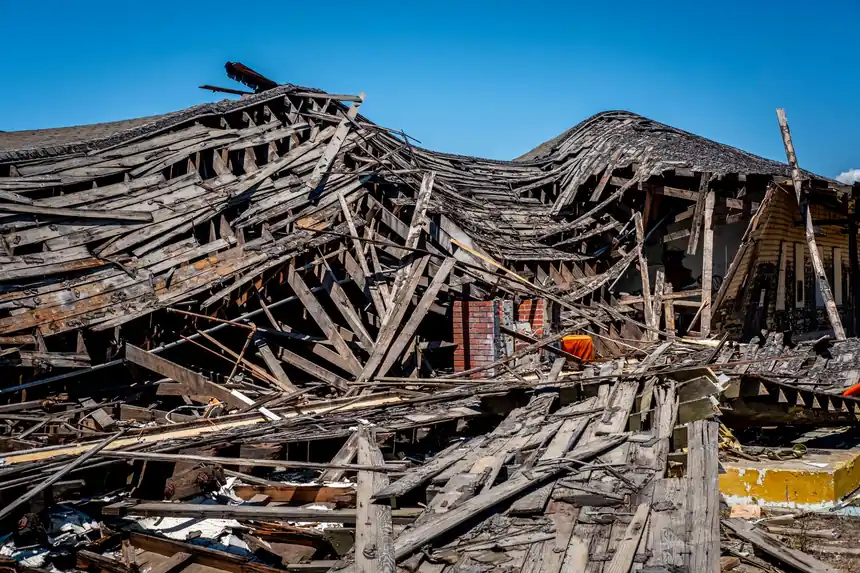
Slab Leak Water Damage Cleanup in Lake Worth Beach starts with finding water where you cannot see it. We use thermal imaging and moisture meters to trace the leak under your foundation, then extract standing water, dry the slab and subfloor, and treat for mold before it spreads. If your floors feel spongy or your water bill spiked, call us now.
Useful updates and clear arrival timing.
Review the approach and price before deciding.
Equipped vehicles and respectful cleanup.
Neighbors serving neighbors with follow-through.
Our slab leak water damage cleanup covers the full process from detection to drying. We handle the water, not the plumbing repair, but we coordinate with your plumber. Here is what is included in a standard job.
We use thermal imaging cameras and pin-type moisture meters to locate the leak and map the wet area. This non-invasive approach saves your floors and speeds up the process. You get a detailed report with photos.
We extract standing water from carpets, concrete, and subfloors using truck-mounted and portable units. If the carpet padding is saturated, we remove and dispose of it. We also set up containment to protect unaffected areas.
We place floor drying mats, air movers, and dehumidifiers to dry the slab, subfloor, and walls. We monitor moisture levels daily and adjust equipment as needed. Drying typically takes three to five days.
After extraction, we apply an antimicrobial treatment to prevent mold growth. This is especially important in Lake Worth Beach's humid climate. We also use air scrubbers to improve indoor air quality during the drying process.
We provide a complete drying report with moisture readings, photos, and equipment logs. This documentation supports insurance claims and gives you a record of the work. We do not remove equipment until readings are normal.
Share what is happening and receive a clear next step from the local team.
Slab Leak Water Damage Cleanup in Lake Worth Beach is the process of locating a water leak beneath your concrete foundation, stopping the source, and drying the structure before mold and structural damage take hold. Water travels through the slab and wicks up into flooring, baseboards, and wall cavities. We use infrared cameras and pin-type moisture meters to map the wet zone, then extract standing water, set drying equipment, and monitor until readings return to normal.
In Lake Worth Beach, slab leaks are common in older homes with copper pipes that have corroded from our humid climate and sandy soil. A pinhole leak under a 1950s terrazzo floor can soak 20 square feet of subfloor before you notice a damp spot. If you see a spike in your water bill or hear water running when fixtures are off, call us for plumbing leak water damage cleanup before the damage spreads to your walls and cabinets.
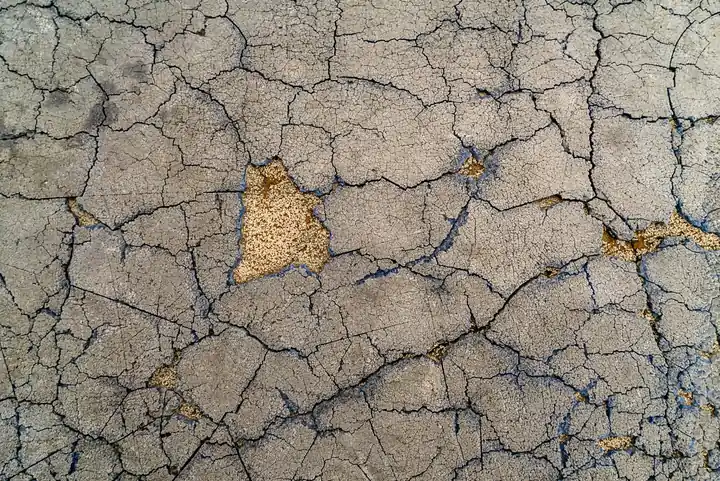
Call us at (561) 760-4158 and we dispatch a technician to your Lake Worth Beach home, usually within 60 to 90 minutes. We inspect the slab, check the water meter, and use thermal imaging to find temperature anomalies that indicate a leak. You get a written scope and upfront pricing before we start work.
We set up containment barriers to protect unaffected rooms, then extract standing water with truck-mounted and portable units. If the leak has soaked carpet or padding, we remove and dispose of it. We also place air scrubbers to improve air quality during the drying process.
We place low-profile floor drying mats and inject dry air under the slab to evaporate trapped moisture. Desiccant dehumidifiers pull water vapor from the air, and we monitor moisture content daily. This phase usually takes three to five days, depending on the size of the affected area.
We work alongside your licensed plumber to confirm the leak is fixed. If you do not have a plumber, we can refer one. Once the repair is complete, we re-test the line and verify no new moisture is entering the slab. We do not close up walls or floors until the source is stopped.
We take final moisture readings and compare them to our baseline. When readings are within normal range, we remove equipment and provide a complete drying report with photos and data. This documentation is useful for insurance claims and future home inspections.
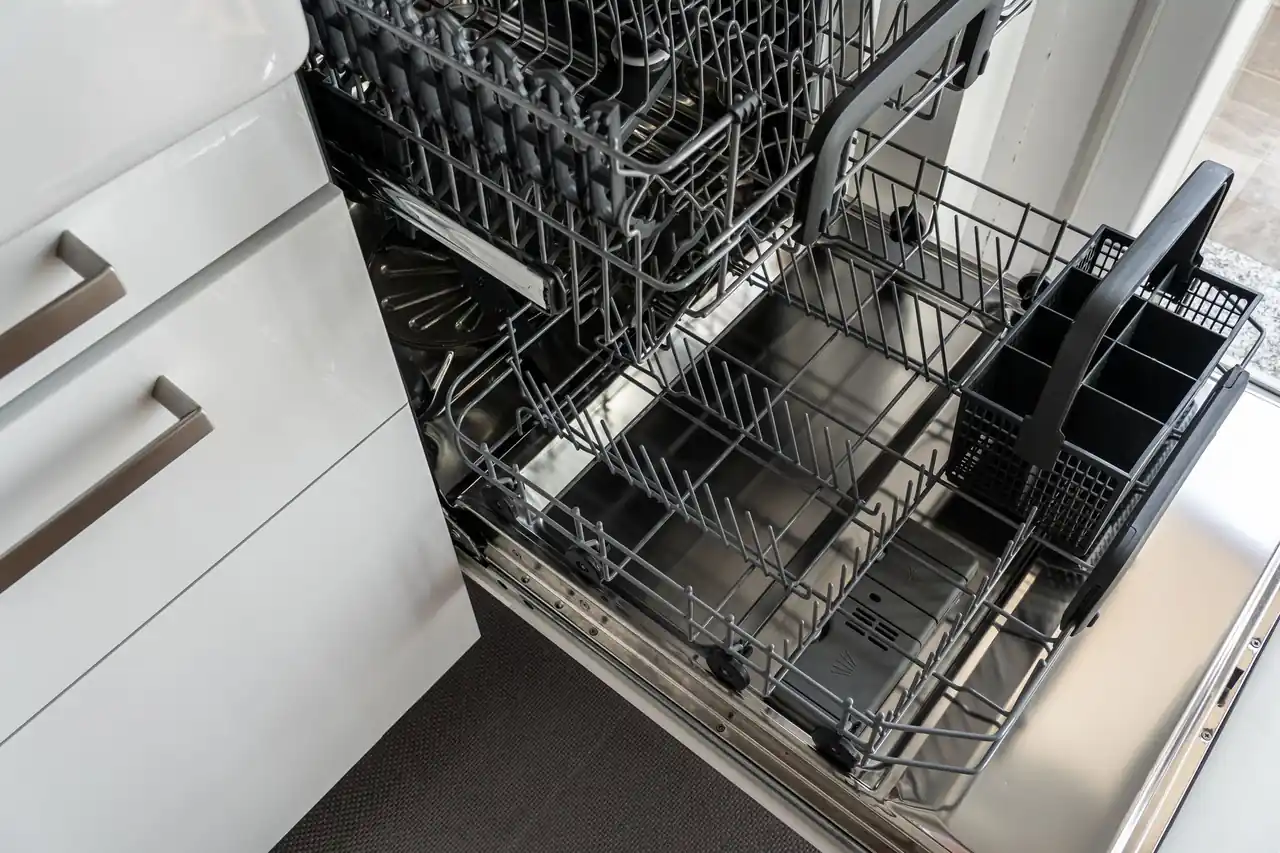
Detects temperature differences caused by hot or cold water leaks under the slab without tearing up floors.
Measures moisture content in concrete, wood, and drywall to map the affected area and monitor drying progress.
Removes standing water from carpets and hard surfaces quickly, with high-capacity vacuum units.
Low-profile mats that pull moisture out of hardwood and concrete floors using directed airflow.
Removes moisture from the air in large volumes, speeding up drying in humid conditions.
Filters airborne mold spores and dust, improving indoor air quality during the drying process.
We follow the IICRC S500 standard for water damage restoration, which sets guidelines for extraction, drying, and monitoring. This ensures a consistent, professional approach to every job.
We use infrared cameras to scan the slab and locate temperature anomalies that indicate a leak. This non-invasive method saves time and avoids unnecessary demolition.
For walls and cabinets, we inject dry air into cavities to evaporate trapped moisture. This targeted approach dries hard-to-reach areas without removing materials.
We create a moisture map of the affected area using meter readings. This map guides our drying strategy and provides documentation for insurance claims.
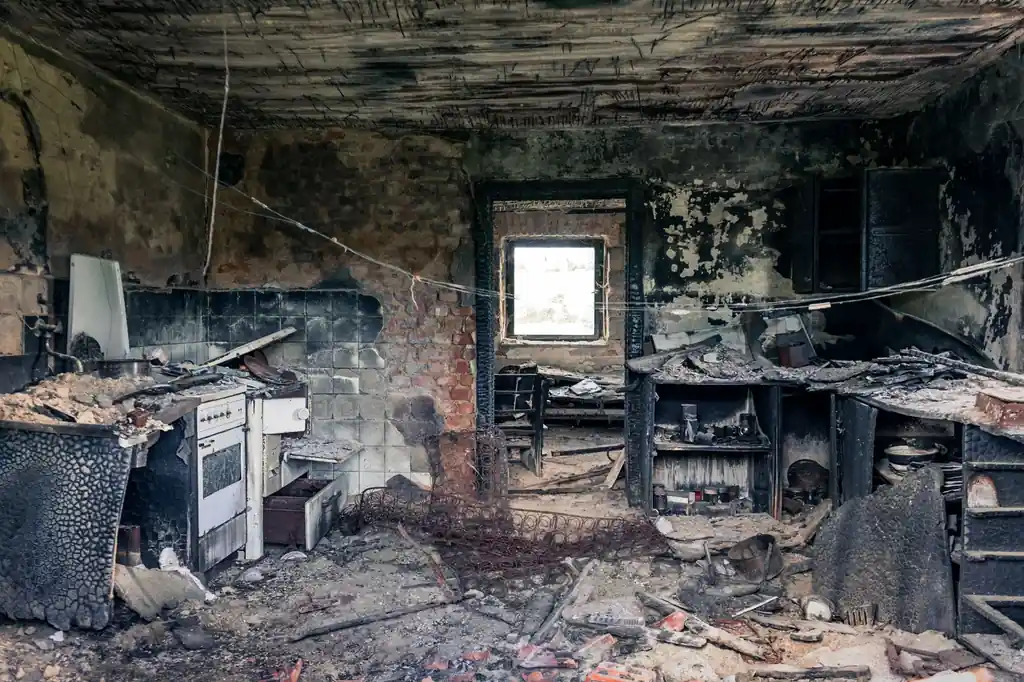
This is a classic sign of a hot water slab leak. We use thermal imaging to confirm the leak, extract water, and dry the slab. We also coordinate with a plumber to repair the line. You get the leak fixed and the area dried, preventing mold and further damage to your floors.
We inspect the slab, check the water meter, and use moisture meters to trace the leak. After extraction and drying, we document the damage for your insurance claim. Your water bill returns to normal and your home is dry, with documentation to support your claim.
Spongy floors often mean a slab leak has been soaking the subfloor. We remove the affected flooring, extract water, and dry the slab with specialized equipment. The musty smell is gone, the subfloor is dry, and you can replace the flooring on a solid, dry base.
After the plumbing repair, we handle the water damage. We extract remaining water, dry the slab and subfloor, and treat for mold. We work directly with your plumber to ensure the source is fixed. Your home is completely dry and mold-free, and you have a report for your records.
Lake Worth Beach has a mix of historic homes and newer construction, and both come with slab leak risks. The humid subtropical climate and sandy soil accelerate pipe corrosion, especially in homes with copper plumbing from the 1950s and 1960s. We often see slab leaks in neighborhoods like Parrot Cove and College Park, where original pipes are still in use. Our team knows the local building codes and works with the City of Lake Worth Beach to ensure proper permitting when needed. We also understand the common signs: a spike in your water bill, a hot spot on the floor, or the sound of running water when everything is off. If you need slab leak water damage cleanup in Lake Worth Beach, we respond 24/7 and arrive with thermal imaging equipment to find the leak fast. We then extract water, dry the slab, and treat for mold. Our local experience means we can often predict where leaks occur based on the home's age and plumbing type.
Many homes here were built in the 1950s with copper pipes that are now prone to pinhole leaks. We handle slab leaks in these historic properties regularly.
This neighborhood has a mix of older and newer homes. We often find slab leaks under terrazzo floors, which require careful drying to prevent cracking.
Commercial buildings and older homes in the downtown area often have complex plumbing systems. We coordinate with property managers to minimize disruption.
Newer construction in Sunset Ridge may have PEX plumbing, but slab leaks still occur due to shifting soil. We use non-invasive detection to locate them.
These conditions accelerate corrosion in copper pipes, leading to more frequent slab leaks. We recommend regular moisture checks for older homes.
Homes built before 1970 often have galvanized or copper pipes that are nearing the end of their lifespan. We handle these leaks with care to preserve original features.
Storms can worsen existing slab leaks or cause new water intrusion. We respond quickly after storms to prevent mold and further damage.
A homeowner noticed a hot spot on their terrazzo floor and a water bill that jumped by $200. The slab was saturated, and the baseboards were starting to swell. Mold was beginning to form in the corner.
We located the leak with thermal imaging, extracted 15 gallons of water, and dried the slab in four days. Moisture readings returned to normal, and the mold was treated. The terrazzo floor was saved.
Maintenance: We recommended a plumbing inspection every two years and keeping indoor humidity below 60% to prevent future leaks.
A slab leak under a hardwood floor caused cupping and a musty odor. The homeowner called us after noticing the floor was spongy. The affected area was about 150 square feet.
We removed the hardwood, extracted water, and dried the subfloor with floor mats. After five days, the subfloor was dry, and we reinstalled new hardwood. The homeowner avoided full replacement.
Maintenance: We advised sealing the new hardwood and monitoring for any future moisture with a cheap humidity gauge.
A property manager discovered a slab leak in a retail space. The carpet was soaked, and the water bill had tripled. The leak was under a concrete slab in a high-traffic area.
We worked after hours to extract water and set drying equipment. The slab was dry in three days, and the carpet was saved. The water bill returned to normal the next month.
Maintenance: We set up a maintenance schedule with the property manager to check for leaks quarterly.
Slab leaks cause a chain reaction of problems if left untreated. We stop the damage and restore your home. Here are the most common issues we solve for Lake Worth Beach homeowners.
Water trapped under your slab can warp hardwood, loosen tile, and cause mold growth within 48 hours. It also creates a musty odor that is hard to eliminate. We use thermal imaging to find the moisture, then extract water and dry the slab with floor mats and dehumidifiers. We treat for mold and verify dryness with meters before we finish.
A slab leak can waste hundreds of gallons per day, driving your water bill up by hundreds of dollars. It also puts stress on your plumbing system. We locate the leak and coordinate with your plumber to stop it. Once the repair is done, we dry the area and confirm no new moisture is entering. Your water bill returns to normal.
Constant moisture under a slab can soften the soil and cause cracks in your foundation, walls, and tile. This can lead to costly structural repairs. We dry the slab and monitor the perimeter to prevent further movement. If we see signs of shifting, we document it and recommend a foundation specialist. Early drying protects your home's structure.
Mold can start growing within 24 to 48 hours of a slab leak. It releases spores that cause allergies, respiratory issues, and unpleasant odors. We extract water, set up containment and air scrubbers, and apply antimicrobial treatment. We dry the area completely and verify with moisture readings to ensure mold cannot return.
$1,200 - $4,500 depending on scope
Slab leak water damage cleanup in Lake Worth Beach typically costs between $1,200 and $4,500 in 2026, depending on the size of the affected area, the extent of water damage, and whether mold remediation is needed. We provide a written estimate before we start, so you know what to expect. We also work with your insurance company to cover eligible costs. Our pricing is transparent, and we do not charge for the initial inspection.
Our pricing reflects the equipment, labor, and expertise required to dry your home properly and prevent mold. We do not cut corners. A thorough job now saves you thousands in future repairs.
A small leak affecting 50 square feet may cost $1,200 to $1,800, while a large leak soaking 300 square feet can run $3,500 to $4,500. The larger the area, the more equipment and time required.
If the leak has been active for weeks, water may have spread further into walls and cabinets. Longer leaks require more extensive drying and may involve mold remediation, increasing the cost.
If mold is present, we add antimicrobial treatment and air scrubbing to the job. This can add $500 to $1,500 depending on the extent of the mold growth.
Hardwood and carpet require different drying methods. Carpet may need to be removed and replaced, while hardwood can sometimes be saved with floor mats. These factors affect labor and materials.
Most homeowners insurance covers sudden slab leak damage. We document everything and bill your insurer directly, which can reduce your out-of-pocket costs.
Our team has handled hundreds of slab leak water damage cleanup jobs across Palm Beach County. We are licensed and insured in Florida, and we follow IICRC S500 standards for water damage restoration. Our technicians are trained in moisture detection, structural drying, and mold prevention. We know the building stock in Lake Worth Beach, from historic homes near Bryant Park to newer construction in Sunset Ridge. That local knowledge helps us find leaks faster and dry structures correctly the first time.
We noticed a hot spot on our kitchen floor and called Lake Worth Beach Water Damage. They found a slab leak under the terrazzo and had drying equipment set up within two hours. The team was professional and explained everything. Our floors are dry and we avoided mold. Highly recommend.
A slab leak soaked our hallway carpet. The crew extracted the water, removed the wet padding, and dried the slab in four days. They worked with our insurance and kept us informed. The moisture readings were back to normal and we saved our hardwood floors. Great service.
We manage several older buildings with copper pipes. When a tenant reported a water bill spike, we called Lake Worth Beach Water Damage. They located the leak with thermal imaging and dried the unit quickly. Their documentation made the insurance claim easy. We use them for all our properties.
Most slab leak water damage cleanup jobs in Lake Worth Beach run $1,200 to $4,500, depending on the size of the affected area and how long the leak has been active. Extraction and drying for a 200-square-foot area typically starts around $1,200. If mold remediation or flooring replacement is needed, the cost increases. We provide a written estimate before we start.
Drying a slab after a leak usually takes three to five days with professional equipment. We use floor drying mats and desiccant dehumidifiers to pull moisture out of the concrete and subfloor. We monitor daily and adjust equipment as needed. If the slab is thick or the affected area is large, it can take up to seven days. We do not remove equipment until readings are normal.
In most cases, you can stay in your home during slab leak cleanup. We contain the work area with plastic barriers and use air scrubbers to keep dust and spores out of unaffected rooms. If the leak has affected a large portion of your living space or if mold is present, we may recommend temporary relocation. We will discuss this with you before we start.
Homeowners insurance often covers slab leak water damage cleanup, including extraction, drying, and mold remediation, if the leak was sudden and accidental. Maintenance-related leaks may not be covered. We document everything with photos and moisture readings to support your claim. We can also speak directly with your adjuster to help move the process along.
Not seeing your question? Our local team can help you understand urgency, scheduling and what to expect.
Ask the local team
When a slab leak floods your home, emergency water damage restoration is the first call. We extract standing water, stop the source, and begin drying immediately to prevent mold. Available 24/7 in Lake Worth Beach.
View serviceOur residential water damage restoration service covers everything from slab leaks to burst pipes. We work in homes across Lake Worth Beach, from historic cottages to modern builds, and restore your property to pre-loss condition.
View service
Slab leaks in commercial buildings can disrupt business and damage inventory. We provide commercial water damage restoration for offices, retail spaces, and warehouses in Lake Worth Beach, with fast response to minimize downtime.
View service
Standing water from a slab leak needs to be removed fast. Our emergency water extraction service uses truck-mounted units to pull water out of carpets, concrete, and subfloors. We arrive with equipment ready to work.
View service
We answer the phone 24 hours a day, every day of the year. Call (561) 760-4158 and a technician will take your address, ask what happened, and dispatch a crew. Most Lake Worth Beach addresses see a truck within 60 to 90 minutes. If water is still running, shut the supply valve first, then call.