Focused arrival windows
Useful updates and clear arrival timing.
When a toilet overflows or a supply line bursts, Bathroom Water Damage Drying in Lake Worth Beach starts with a 60-minute response and ends with a dry, verified bathroom. We extract standing water, place commercial air movers and dehumidifiers, and monitor moisture daily until your walls, vanity, and subfloor read dry on our meters. If you live in Parrot Cove or College Park and your bathroom floor is squishing underfoot, call us now.
Useful updates and clear arrival timing.
Review the approach and price before deciding.
Equipped vehicles and respectful cleanup.
Neighbors serving neighbors with follow-through.
Every bathroom drying job includes the core services below. If your situation requires mold remediation, duct cleaning, or reconstruction, we will tell you upfront and provide a separate quote. No surprises.
We remove all standing water from the bathroom floor, around the toilet, and under the vanity using truck-mounted and portable extraction units. This step happens first because drying equipment cannot work through standing water.
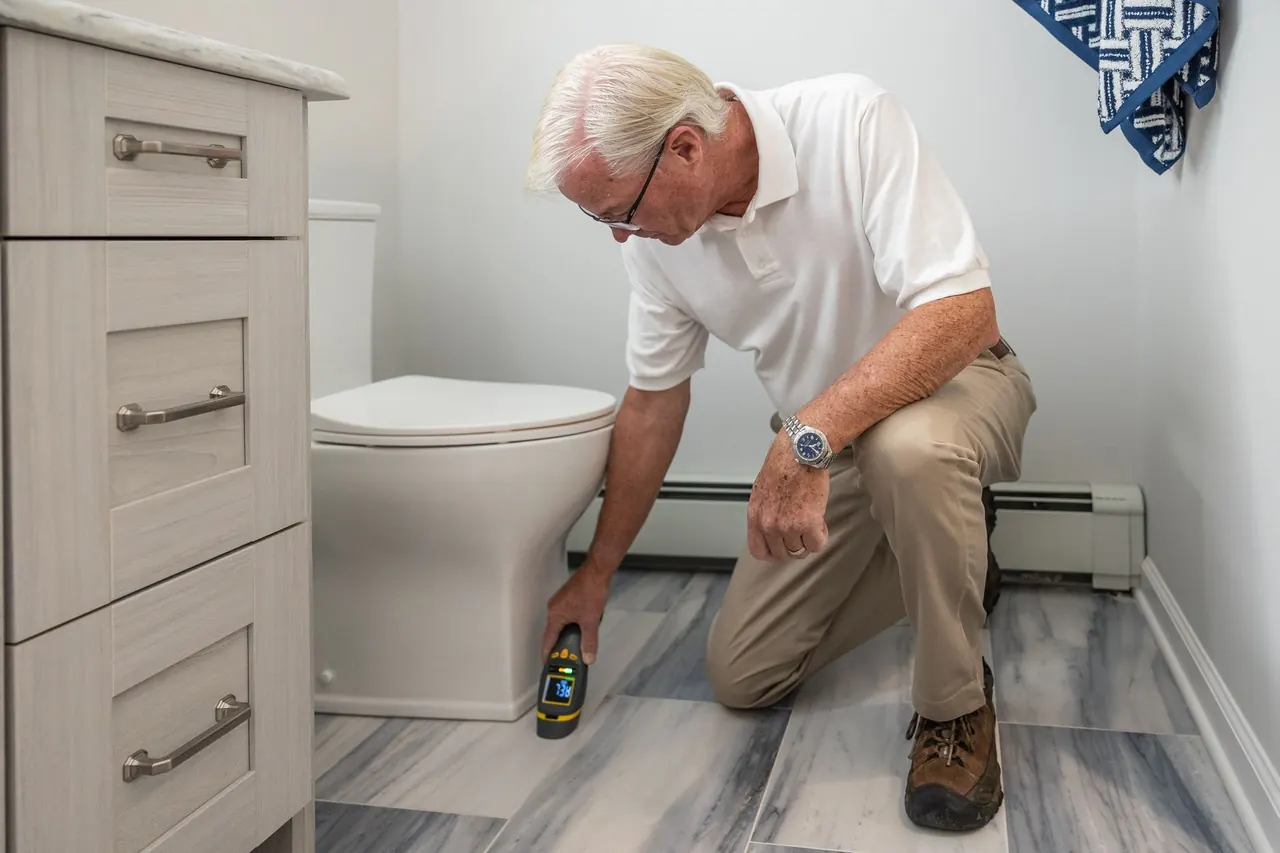
We use thermal imaging cameras and penetrating moisture meters to find every wet spot, including water hidden behind tile, inside wall cavities, and under the subfloor. You see the readings on the screen before we set up equipment.
We place high-velocity air movers to evaporate moisture from wet surfaces and refrigerant dehumidifiers to pull that moisture out of the air. Equipment runs 24/7 until your bathroom reaches dry standard.
We return every day to check moisture levels and move equipment as needed. Drying is a dynamic process. What works on day one may not be optimal on day three. We adjust until the job is done.
After extraction, we apply an EPA-registered antimicrobial to wet surfaces to inhibit mold growth during the drying process. This is not a substitute for mold remediation, but it buys you time and protects your materials.
You get a complete drying report with daily moisture readings, temperature and humidity logs, equipment placement notes, and before/after photos. This is the document your insurance adjuster needs to approve your claim.
Share what is happening and receive a clear next step from the local team.
Bathroom Water Damage Drying in Lake Worth Beach is the controlled removal of moisture from a bathroom after a leak, overflow, or supply-line failure. It is not just pointing a fan at the floor. We use thermal imaging cameras to find water hiding behind tile and under vanities, then set up a closed drying system with commercial-grade dehumidifiers and air movers that pull moisture out of the air and push dry air into wall cavities. The goal is to get structural materials like drywall, subfloor, and framing back to a normal moisture content, usually between 8% and 12%, before mold has a chance to colonize.
Bathrooms in Lake Worth Beach fail in predictable ways because of our climate and building stock. The city has thousands of homes built between the 1920s and 1960s with original cast-iron drains and galvanized supply lines that corrode from the inside out. Add year-round humidity that averages 75% and a summer rainy season that pushes groundwater up through slab foundations, and a small toilet supply leak can soak a subfloor in hours. If you are searching for emergency water extraction near Lake Worth Beach, the clock matters: mold can start growing on wet drywall in 24 to 48 hours.

You call (561) 760-4158 and describe what happened: toilet overflow, burst supply line, slow leak under the vanity. We ask three questions to classify the water (clean, gray, or black) and dispatch a crew. You get a text with the technician's name and estimated arrival time, usually within 60 minutes anywhere in Lake Worth Beach.
Our technician walks the bathroom with a thermal imaging camera and a penetrating moisture meter. We map every wet spot: behind the toilet, under the vanity, inside the wall cavity, and along the baseboards. You see the readings on the screen. We also check the adjacent room and closet because water travels sideways through drywall.
Standing water comes out first. We use a truck-mounted extraction unit for large volumes and a wet/dry vacuum for tight corners around the toilet flange and vanity legs. If the carpet in the hallway is wet, we extract that too. This step typically takes 30 to 90 minutes depending on how much water is on the floor.
We place commercial air movers to create a vortex of dry air across wet surfaces and a refrigerant dehumidifier to pull moisture out of the air. If the wall cavity is wet, we drill small holes behind the baseboard and inject air directly into the cavity. Equipment runs 24/7 for 3 to 5 days. You will hear it, but you can stay in the house.
We return every day to check moisture levels and adjust equipment placement. Drying is not a set-it-and-forget-it job. When readings hit normal ranges, we remove the equipment and take final photos. You get a written drying report with daily logs, which you can hand straight to your insurance adjuster.
Detects temperature differences caused by evaporating moisture. We use it to find water behind tile, inside wall cavities, and under vanities without tearing anything out.
Measures moisture content inside wood and drywall. We use it to confirm when materials have reached dry standard, usually below 12% for wood.
Removes large volumes of standing water fast. The vacuum pulls water from carpet, tile, and grout lines, and deposits it in a holding tank.
Pulls moisture out of the air so air movers can keep absorbing water from wet materials. Essential in Florida humidity, where the air is already saturated.
Create a vortex of dry air across wet surfaces, speeding evaporation. We place them at specific angles to dry walls, floors, and cabinets simultaneously.
Injects dry air directly into wall cavities through small holes drilled behind the baseboard. This dries the inside of the wall without removing the drywall or tile.
The industry standard for professional water damage restoration. It defines water categories, drying goals, and documentation requirements. We follow it on every job, which is why our drying reports are accepted by every major insurance carrier.
We measure temperature and relative humidity to calculate the dew point and specific humidity. This tells us exactly how much moisture the air can hold and how many dehumidifiers we need. It is the difference between guessing and knowing.
We close doors and windows and run dehumidifiers to create a controlled drying chamber. This prevents humid Florida air from entering and slowing the drying process. It is faster and more energy-efficient than open drying.
We take moisture readings every day and log them. If materials are not drying at the expected rate, we adjust equipment placement or add more air movers. Drying is not a set-it-and-forget-it job.
Call us immediately. We extract the water, check the subfloor and walls for moisture, and set up drying equipment. If the water is clean, we can often save the flooring. If it is sewage, we remove and replace porous materials. Your bathroom is dry in 3 to 4 days, and you avoid mold and subfloor replacement.
We inspect both the upstairs bathroom and the ceiling below. The leak might be a failed toilet seal, a cracked supply line, or a failed shower pan. We find the source, extract the water, and dry both sides of the ceiling. The ceiling is saved, the leak is fixed, and you avoid a collapsed ceiling.
We handle storm water damage cleanup, extracting the water and drying the bathroom and any adjacent rooms. We also document the damage for your insurance claim and check for hidden moisture in the walls. Your home is dry and safe, and your insurance claim is properly documented.
We perform a moisture inspection and drying service if needed. We provide a written report with moisture readings proving the bathroom is dry and free of active mold. This report satisfies buyers and their inspectors. The sale goes through without a water damage dispute.
Lake Worth Beach has a unique combination of older homes, high humidity, and a rainy season that runs from May through October. The Historic District and Mango Groves are full of 1920s bungalows with original cast-iron drains and galvanized supply lines. Those pipes corrode from the inside out, and when they fail, they fail inside the wall. We know how to dry plaster walls without causing them to crumble, and we know where the plumbing runs in these older homes. In newer construction near Lake Worth Park of Commerce, the problem is often slab leaks or failed CPVC supply lines. Our year-round humidity averages 75%, which means a wet bathroom does not dry on its own. We use closed drying systems with commercial dehumidifiers to pull moisture out of the air, because opening a window in July makes the problem worse. If you need emergency water extraction near Lake Worth Beach, we are set up for these conditions. We also serve Hypoluxo Island and the Lake Clarke Shores area, where homes sit closer to the water table and flooding is more common.
Many homes here have original 1920s plumbing and plaster walls. We dry plaster slowly to prevent cracking and use cavity drying systems to reach moisture behind the walls.
A mix of older bungalows and renovated homes. We often see bathroom remodels where the new tile hides a slow leak from the old plumbing underneath.
Mid-century homes with slab foundations. Slab leaks are common here, and we use thermal imaging to find them without breaking the floor.
Waterfront homes with higher water tables. After heavy rain, groundwater can push up through bathroom floors. We dry the slab and check for hidden moisture in the walls.
Wet materials do not dry on their own. We must use closed drying systems with dehumidifiers to create a dry environment. Opening windows brings in more moisture.
Storm flooding and groundwater intrusion are common. We see more bathroom floods during these months and prioritize emergency calls accordingly.
These pipes fail from the inside out, often inside walls. We use thermal imaging to find hidden leaks and cavity drying to dry the wall without demolition.
Slab leaks are harder to find and dry. We use thermal imaging to map the leak and specialized drying mats to pull moisture out of the concrete.
A toilet supply line burst at 5 a.m. and flooded the bathroom and hallway. The water was 1 inch deep on the tile and had soaked the carpet in the hallway. The subfloor was saturated, and the baseboards were wet.
We extracted 15 gallons of water, removed the wet carpet pad, and set up 4 air movers and 1 dehumidifier. After 4 days, the subfloor read 10% moisture content and the walls were dry. The homeowner replaced the carpet pad and saved the carpet.
Maintenance: Replace flexible supply lines every 5 years and install a water leak detector under the toilet. Check under the vanity monthly for slow leaks.
A slab leak under the bathroom floor pushed water up through the tile. The tile was loose, the grout was cracking, and the bathroom smelled musty. The homeowner had no idea where the water was coming from.
We used thermal imaging to locate the leak, extracted the surface water, and dried the slab with specialized mats for 6 days. The plumber repaired the pipe, and we re-grouted the tile. Moisture readings returned to normal.
Maintenance: Monitor your water bill for unexplained spikes. A slab leak often shows up as a higher bill before you see water. Call a plumber if you suspect a leak.
A clogged main line caused a sewage backup in a ground-floor bathroom. The water was Category 3 black water, and it had soaked the baseboards and vinyl flooring. The tenant called us immediately.
We extracted the water, removed the contaminated baseboards and vinyl, applied EPA-registered disinfectant, and dried the structure for 5 days. The landlord replaced the flooring and baseboards. The unit passed a mold inspection.
Maintenance: Have your main sewer line inspected every 2 years if you have older cast-iron pipes. Do not pour grease down the drain, and use a drain screen in the shower.
Bathrooms fail in different ways depending on the age of your home and the source of the water. Here are the most common problems we fix.
The subfloor swells and delaminates within 48 hours, and carpet pad becomes a mold breeding ground. If ignored, you are looking at subfloor replacement and mold remediation. We extract the water, pull up the carpet pad if it is contaminated, dry the subfloor with air movers and dehumidifiers, and treat the area with antimicrobial. Most subfloors dry in 3 to 4 days without replacement.
A slow leak can run for weeks before you notice water stains. By then, the wall cavity is soaked, the cabinet base is rotting, and mold is growing behind the drywall. We use thermal imaging to find the leak, open the wall cavity with a small access hole, dry the framing and drywall, and repair the supply line. This saves the vanity and prevents mold.
Water comes from below, so it does not dry on its own. The slab stays wet, the tile adhesive fails, and the bathroom floor becomes a mold factory. We map the leak with thermal imaging, extract surface water, dry the slab and flooring with specialized equipment, and coordinate with a plumber to fix the pipe under the slab.
Category 3 black water carries bacteria and viruses. Drying alone will not make the bathroom safe. Porous materials like baseboards and vinyl must be removed and disposed of. We treat it as a contaminated job: extract the water, remove affected materials, apply EPA-registered disinfectant, and then dry the structure. We document everything for your insurance claim.
$1,200 - $3,800 depending on scope
Typical 2026 pricing for Bathroom Water Damage Drying in Lake Worth Beach ranges from $1,200 to $3,800 depending on the size of the bathroom, the water category, and how long drying takes. A small clean-water toilet overflow might be $1,200 to $1,800. A sewage backup with contaminated materials removal can run $2,500 to $3,800. We provide a written estimate before we start, and we bill your insurance directly for covered losses. There are no hidden fees.
Fast drying prevents mold, saves your subfloor, and protects your home's value. The cost of drying is a fraction of the cost of mold remediation and reconstruction. We document everything so your insurance claim gets approved.
Clean water (Category 1) is the cheapest to dry because we can save all materials. Gray water (Category 2) requires antimicrobial treatment. Black water (Category 3) means removing and disposing of porous materials, which adds labor and disposal fees.
A half-bath dries faster and needs less equipment than a large master bathroom with a separate shower and tub. More square footage means more air movers and a larger dehumidifier.
Most jobs take 3 to 5 days. If the subfloor or wall cavity is saturated, drying can take 7 days. Each additional day adds equipment rental and monitoring costs.
If mold is already growing, we need to set up containment, run negative air machines, and remove affected materials. That is a separate scope and adds $1,000 to $2,500 depending on the extent.
If your policy covers the loss, you pay your deductible and we bill the rest to your carrier. Most sudden and accidental bathroom water damage is covered. We help you file the claim.
Our technicians are IICRC-certified in Water Damage Restoration (WRT) and Applied Structural Drying (ASD). We have dried hundreds of bathrooms across Palm Beach County, from 1920s bungalows in the Historic District to newer condos on Hypoluxo Island. We know how cast-iron drains fail, how slab leaks show up as hot spots on thermal cameras, and how Florida humidity changes the drying equation. We carry $1 million in liability insurance and are bonded. Every job follows the IICRC S500 standard for professional water damage restoration.
Our toilet supply line burst at 6 a.m. and flooded the bathroom. Lake Worth Beach Water Damage had a tech here by 7:15. He extracted the water, set up three air movers and a dehumidifier, and checked the moisture every day for four days. The bathroom is dry, no mold, and they handled the insurance paperwork. Worth every penny.
We manage six older buildings downtown, and bathroom leaks are a constant battle. This crew has dried out three units for us this year. They are fast, they document everything with photos and meter readings, and they never try to upsell. The drying reports they provide make our insurance claims easy.
A slab leak under our bathroom floor soaked the tile and the hallway carpet. I was worried we would have to move out. The team dried everything in place over five days, coordinated with a plumber to fix the leak, and saved our original 1950s tile. They were respectful and cleaned up after themselves.
Most bathroom drying jobs take 3 to 5 days with equipment running 24/7. A small toilet overflow with clean water and no wall cavity involvement can dry in 48 to 72 hours. If water soaked into the subfloor or behind tile, expect 5 to 7 days. We check moisture daily and do not pull equipment until readings hit normal ranges.
Yes, you can stay home during bathroom drying. The equipment is loud, similar to a box fan on high, and the dehumidifier adds some warmth. Most homeowners close the bathroom door and run a fan in the hallway. If the bathroom is the only one in the house and the toilet is unusable, we can set up a temporary plan.
Most homeowners insurance policies cover sudden and accidental bathroom water damage, like a burst supply line or toilet overflow. They typically do not cover long-term leaks or maintenance neglect. We bill carriers directly and provide the documentation adjusters need. Call your insurer to open a claim, then call us at (561) 760-4158.
Shut off the water supply to the toilet or the main house valve if you can find it. Do not use a household vacuum to suck up water, and do not walk through standing water if it might be sewage. Move rugs and bath mats out of the bathroom, and take photos of the damage for your insurance claim. Then wait for our crew.
Not seeing your question? Our local team can help you understand urgency, scheduling and what to expect.
Ask the local team
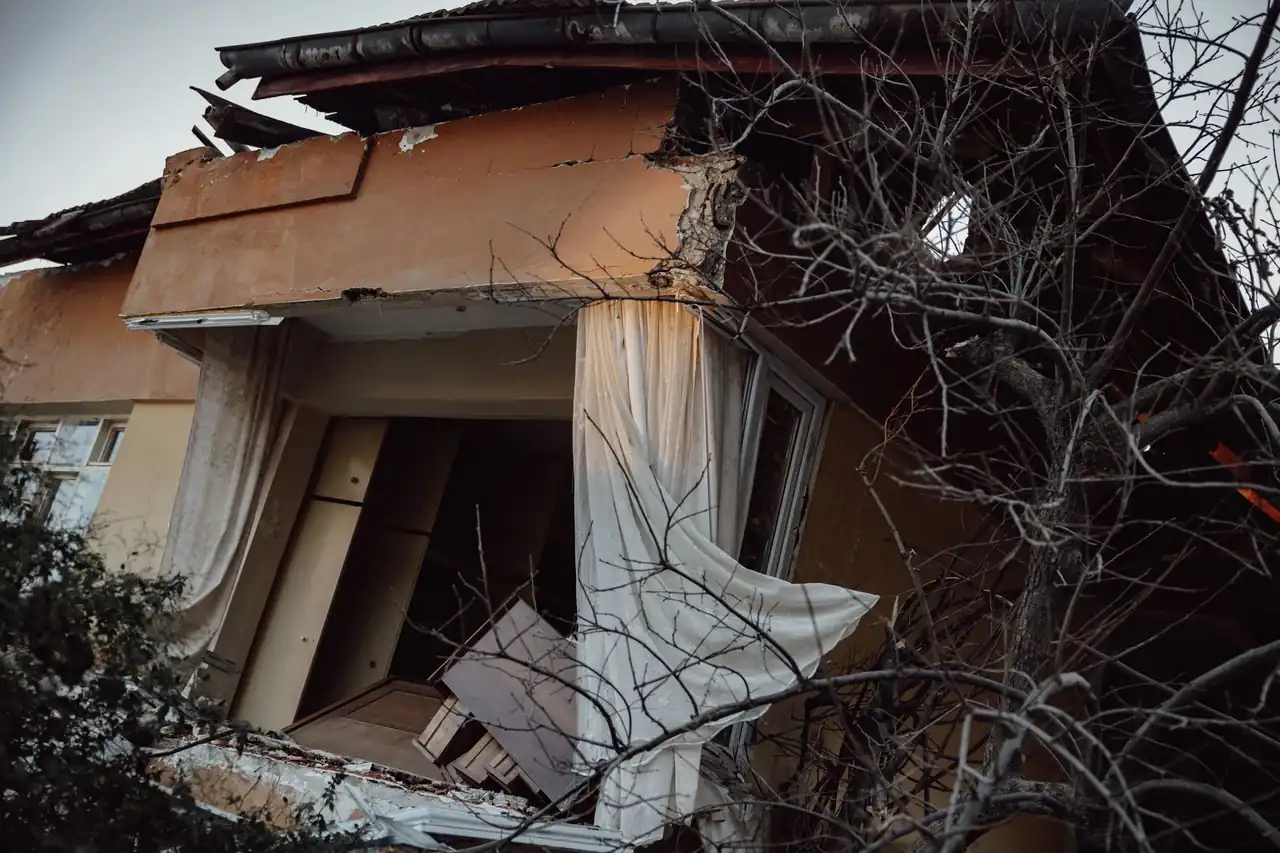
When a bathroom leak turns into a whole-house problem, emergency water damage restoration covers extraction, drying, and repairs across multiple rooms. We handle the full scope so you are not coordinating three different contractors.
View service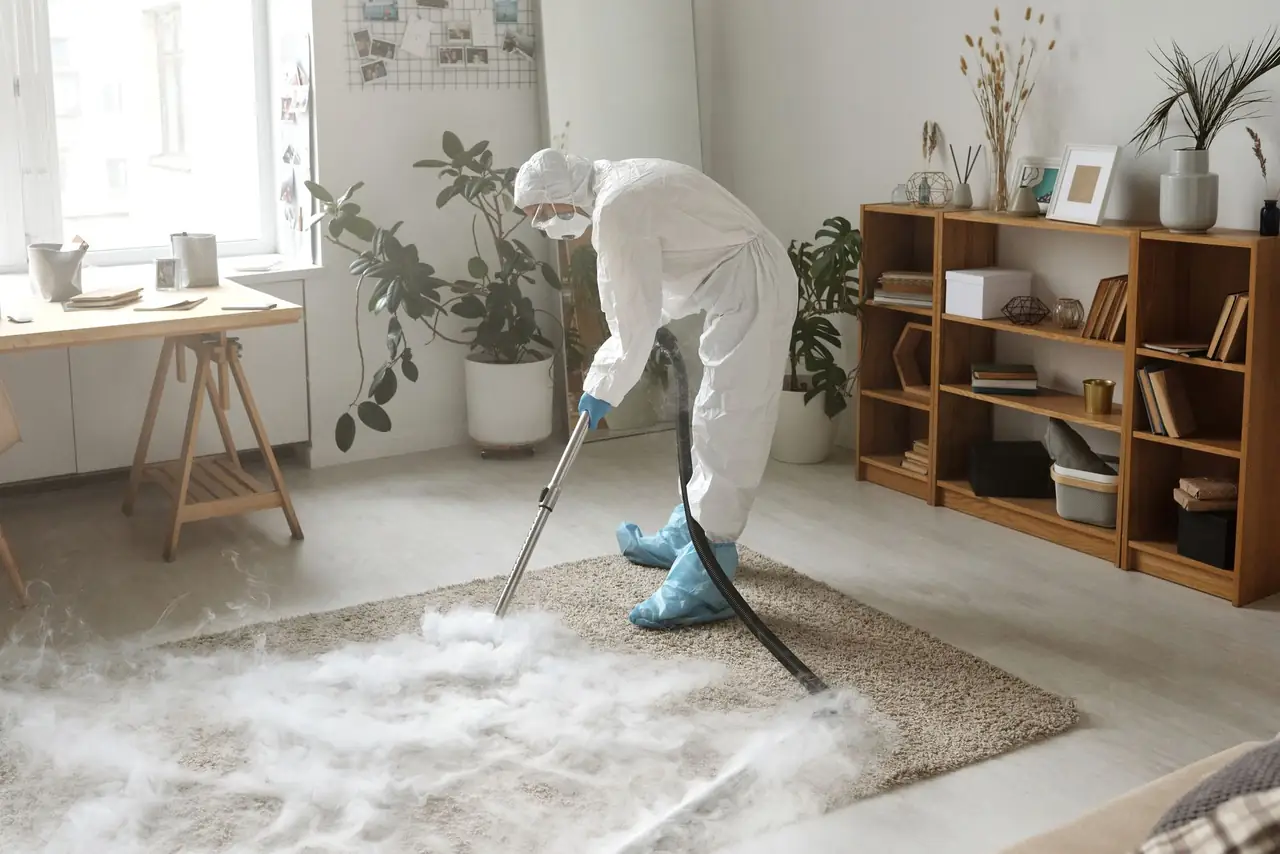
Bathroom drying is often the first step in a larger residential water damage restoration project. If water traveled into the hallway, closet, or bedroom, we expand the drying chamber and treat the whole affected area as one job.
View service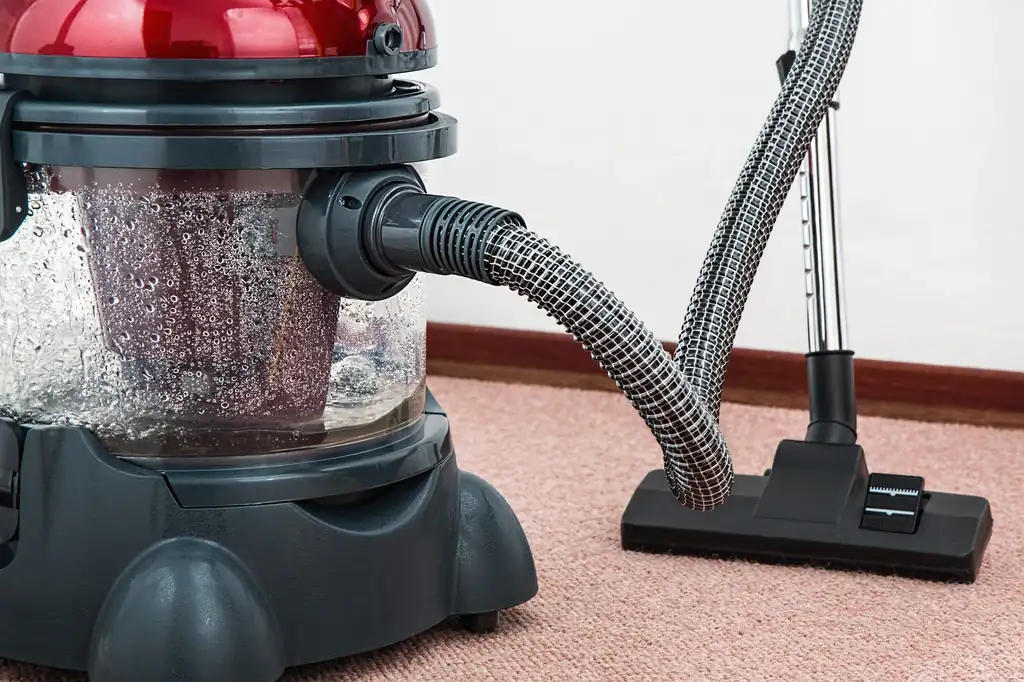
Restaurant bathrooms, office restrooms, and retail store facilities in Lake Worth Park of Commerce need fast drying to stay open. We work after hours and on weekends to minimize business interruption while we dry commercial bathrooms and adjacent spaces.
View service
Standing water in a bathroom comes out fast with our truck-mounted extraction units. We pull water from tile, grout lines, and around the toilet flange before setting up drying equipment. Extraction first, then drying, always in that order.
View serviceWe answer the phone 24 hours a day, every day of the year. Call (561) 760-4158 and a technician will take your address, ask what happened, and dispatch a crew. Most Lake Worth Beach addresses see a truck within 60 to 90 minutes. If water is still running, shut the supply valve first, then call.