Focused arrival windows
Useful updates and clear arrival timing.
Commercial Water Damage Restoration in Lake Worth Beach is a rapid-response service that extracts standing water, dries structural materials, and documents the loss so your business can reopen. We serve retail storefronts, restaurants, offices, and warehouses across Florida. When a pipe bursts at 2 a.m. or a storm pushes water under your door, every hour of delay raises the mold risk and the repair bill. Our team arrives with truck-mounted extraction and commercial dehumidification.
Useful updates and clear arrival timing.
Review the approach and price before deciding.
Equipped vehicles and respectful cleanup.
Neighbors serving neighbors with follow-through.
Every commercial loss is different, but the core scope is consistent. Here is what is included in a standard commercial water damage restoration job in Lake Worth Beach. Add-ons like reconstruction, mold remediation, and contents cleaning are quoted separately after the initial inspection.
Truck-mounted and portable extraction units remove standing water from carpet, concrete, and hardwood. For deep water, we use submersible pumps first. A 3,000-square-foot retail floor with an inch of water typically extracts in two to four hours.
Thermal imaging cameras and pin-type meters map the full extent of moisture, including hidden areas behind walls and under floors. You get a written scope with affected square footage before equipment is placed. This usually takes 30 to 60 minutes on a mid-size commercial job.
Commercial-grade air movers and LGR dehumidifiers dry the structure to documented targets. Drying typically runs three to five days, with daily moisture readings logged. We adjust equipment placement and count as readings change.
After extraction and before drying, we apply EPA-registered antimicrobial to affected surfaces. This is standard on Category 2 and Category 3 water losses, including flood water and sewer backups. It helps prevent mold growth during the drying period.
You receive a daily log showing temperature, relative humidity, and material moisture content. We also provide photo documentation and a final moisture report for your insurance claim. This file supports your adjuster review and reduces back-and-forth.
We do not pull equipment until materials reach documented dry standard, usually within 10 percent of a dry reference sample. You get a final report confirming the structure is dry. If reconstruction is needed, we quote it separately and handle the rebuild.
Share what is happening and receive a clear next step from the local team.
Commercial Water Damage Restoration in Lake Worth Beach is the process of removing water from a business property, drying the structure and contents, and returning the space to a safe, code-compliant condition. It combines emergency water extraction, moisture detection, structural drying, and dehumidification under one scope. We start by finding the source, whether that is a burst pipe, a roof leak, or a backed-up floor drain. Then we map the moisture with thermal imaging and pin-type meters before any drying equipment is placed.
Local businesses call us for the same reasons homeowners do, just at a larger scale. Lake Worth Beach sits at low elevation with a high water table, so heavy summer rain and hurricane season push water into parking lots, loading docks, and slab-on-grade retail spaces. A single overnight storm can leave 2 inches of standing water across 4,000 square feet of showroom floor. We also handle plumbing failures in older commercial buildings, where galvanized supply lines and cast-iron drains are common. If you are searching for commercial water damage restoration near me after a storm, the first 24 hours matter most.
You call (561) 760-4158 and describe the water source, the affected area, and whether power is safe. We ask about square footage and floor type so we load the right equipment. A crew is dispatched immediately, 24/7. For most commercial addresses in Lake Worth Beach, we are on site within 60 to 90 minutes.
We shut off the water source if it is still flowing, then walk the space with thermal imaging cameras and pin-type moisture meters. We mark wet drywall, baseboards, carpet, and subfloor. You get a written scope with affected square footage and a drying plan before equipment is placed. This usually takes 30 to 60 minutes on a mid-size commercial job.
Truck-mounted and portable extraction units pull standing water from carpet, concrete, and hardwood. For deep water, we use submersible pumps first. A 3,000-square-foot retail floor with 1 inch of water typically extracts in two to four hours. We also remove saturated drywall and insulation where moisture has climbed above the flood cut line.
We place commercial-grade air movers and LGR dehumidifiers to dry the structure. Drying typically runs three to five days, and we monitor moisture content daily. We adjust equipment placement and count as readings change. You receive a daily log showing temperature, relative humidity, and material moisture content so you can see progress in numbers.
We do not pull equipment until materials reach documented dry standard, usually within 10 percent of a dry reference sample. Then we provide a final moisture report for your records and insurance claim. If reconstruction is needed, we handle drywall, paint, flooring, and trim so you have one point of contact from wet to open.
High-volume extraction for carpet, concrete, and large open floors. These units pull water faster than portable extractors and are the first tool on site for most commercial losses.
Used when standing water is too deep for extraction wands, typically more than 2 inches. They move large volumes quickly so extraction and drying can begin.
Detect temperature differences that reveal hidden moisture behind walls, under floors, and inside ceiling cavities. They guide where we place meters and drying equipment.
Measure moisture content in drywall, wood, and concrete. We use them to establish dry standard and to verify that materials are dry before pulling equipment.
Low-grain refrigerant dehumidifiers remove moisture from the air so wet materials can release water vapor. We size them by cubic footage and current humidity for each commercial space.
Direct airflow into wall cavities and under flooring to speed evaporation. We position them based on the moisture map, not a fixed pattern.
Specialty mats that pull moisture from hardwood and subfloor without removing the floor. They are used when we are trying to save a floor rather than replace it.
The industry standard for water damage restoration. It guides how we categorize water, classify the loss, and set drying goals. Following it means our drying decisions are based on psychrometric calculations, not guesswork.
We measure temperature and relative humidity to calculate how much moisture the air can hold and how much dehumidification is needed. This determines equipment count and drying time for each commercial space.
When water wicks up drywall, we make a flood cut 12 to 24 inches above the water line, remove wet insulation, and dry inside the wall cavity. This prevents hidden mold and lets us verify dryness behind the wall.
For contaminated water or mold risk, we build plastic containment and run negative air machines to keep dust and spores out of unaffected areas. This lets you keep part of your business open during drying.
We take moisture readings every day and adjust equipment placement and count as readings change. You get a daily log showing temperature, relative humidity, and material moisture content. Drying ends when materials reach documented dry standard.
We dispatch immediately, shut off the water, and extract standing water from tile and carpet. We set drying equipment and containment to keep the kitchen closed while the dining room dries. Daily moisture logs track progress. Most restaurants reopen in four to seven days instead of two weeks. The documented loss supports the insurance claim and reduces out-of-pocket cost.
We pump out standing water, extract from concrete, and dry the affected bay with commercial air movers and dehumidifiers. We check wall cavities and inventory racks for hidden moisture. Photo documentation covers the full affected area. The bay returns to dry standard in three to five days. Inventory losses are documented, and the warehouse resumes normal operations without a mold problem.
We isolate the affected suites with plastic containment, extract water, and dry ceilings and walls. We coordinate with the property manager to phase work so unaffected tenants stay open. Moisture maps cover all impacted suites. Drying finishes in four to five days. The building owner gets one documentation package for the claim, and tenants avoid a prolonged displacement.
We remove the water, extract from carpet, and lift it to dry the subfloor. We replace wet baseboard and drywall where needed. Antimicrobial is applied to affected surfaces before drying begins. The store reopens in three to four days with new baseboard and dry carpet. The final moisture report confirms the structure is dry and ready for business.
Lake Worth Beach sits at low elevation with a high water table, which changes how commercial water damage plays out here. Summer thunderstorms and tropical systems push water into parking lots and loading docks, and slab-on-grade retail spaces flood fast. Older commercial buildings in the Historic District and Downtown often have galvanized supply lines and cast-iron drains that fail with age. We also see sprinkler discharges in multi-tenant offices and water heater failures in restaurants. Florida Building Code requires that rebuilt commercial spaces meet current standards, so we dry to documented targets and rebuild to code. If you need flood water removal for a Lake Worth Beach storefront after a storm, we treat it as Category 3 and handle it accordingly. Our local experience covers the Park of Commerce warehouses, Lake Avenue storefronts, and the mixed-use buildings near Bryant Park.
Older commercial buildings with galvanized supply lines and cast-iron drains. We see more burst pipe and drain backup losses here than anywhere else in the city.
Historic storefronts with original wood framing and plaster walls. Drying requires lower airflow and careful monitoring to avoid cracking plaster.
Large warehouse and light industrial spaces with slab-on-grade concrete. Storm water and sprinkler failures are the most common losses we handle here.
Mixed-use and waterfront commercial properties. Proximity to the Intracoastal means storm surge and high water table flooding are real risks during hurricane season.
Residential-commercial mix with older plumbing. Small offices and cafes here often see water heater and supply line failures that soak flooring and baseboards.
Standing water drains slowly and can re-enter through slabs and drains. We pump and extract quickly, then check for moisture migration under flooring before drying.
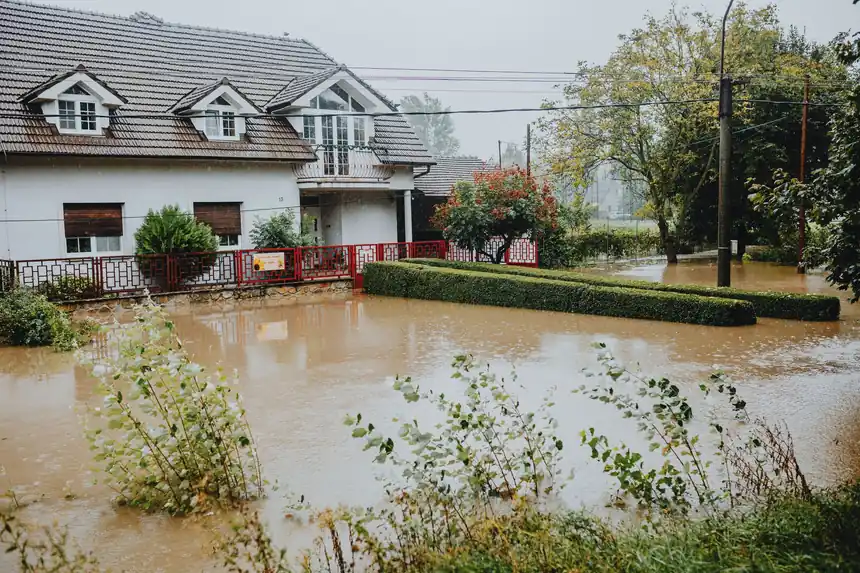
Storm surge and heavy rain drive flood water into commercial properties. We treat these losses as Category 3 and remove contaminated materials before drying.
These materials fail more often and with less warning. We see burst supply lines and drain backups in Downtown and the Historic District throughout the year.
Ambient humidity slows drying and raises mold risk. We size dehumidification for local conditions rather than using a standard equipment package.
A supply line under a dish sink failed at 11 p.m. and put an inch of water across a 1,200-square-foot kitchen and dining room. Carpet in the dining area was soaked, and water had wicked up the baseboards.
We extracted the water in three hours, lifted carpet to dry the subfloor, and replaced two feet of wet drywall. Drying finished in four days. The restaurant reopened on day six with new baseboard and dry carpet.
Maintenance: We recommended replacing the braided supply line with a stainless-steel line and adding a shutoff valve. Check under sinks quarterly for drips and corrosion.
A summer downpour pushed two inches of water under a loading dock door into a 4,000-square-foot warehouse bay. Cardboard inventory on the bottom racks was soaked, and concrete was covered in standing water.
We pumped and extracted the water in four hours, dried the concrete and drywall to dry standard by day four, and documented inventory losses for the claim. The bay was back in service on day five.
Maintenance: We suggested a threshold seal and a drainage grate at the dock door. Inspect the seal each spring before storm season and clear debris from the drain.
A sprinkler head failed in a multi-tenant office building and discharged water across two suites. Ceiling tiles sagged, carpet was soaked, and water had migrated into the shared wall.
We isolated the suites with containment, extracted water, and dried ceilings and walls in five days. We replaced 14 ceiling tiles and dried the shared wall cavity. Both suites reopened without displacing the other tenants.
Maintenance: We recommended an annual sprinkler inspection and replacing corroded heads. Check ceiling tiles monthly for stains, which are the first sign of a slow leak.
Water finds the weakest point in any building. These are the commercial water problems we see most often in Lake Worth Beach, and what happens when they are ignored.
Trapped moisture drives mold growth within 24 to 48 hours and quietly rots framing and subfloor. By the time you smell it, the repair scope has already grown. We use thermal imaging and pin-type meters to find moisture you cannot see. We map the full loss, then dry to documented targets. You get daily readings showing progress, so nothing is left to guesswork.
Flood water is contaminated and can carry bacteria and pathogens. It also wicks into drywall, insulation, and carpet, turning a cleanup into a demolition if it sits overnight. We treat flood water as Category 3, which means PPE, antimicrobial treatment, and removal of affected porous materials. We extract, dry, and document the loss for your insurance claim. This is common after summer storms and tropical systems.
A single sprinkler discharge can dump hundreds of gallons across multiple suites, affecting tenants who did not cause the loss. Without fast extraction, the damage spreads to shared walls and ceilings. We respond 24/7, isolate the affected area with containment, and extract water before it migrates. We coordinate with property managers and tenants to phase drying so unaffected suites stay open. Documentation covers the full loss for the building claim.
Slab leaks are invisible until flooring buckles or the water bill spikes. By then, moisture has spread under tile or carpet and into the wall base, raising mold risk and repair cost. We locate the leak path with thermal imaging, dry the slab and flooring, and document the affected area. Early detection prevents foundation damage and mold under carpet or tile. We also flag the repair so your plumber can fix the source.
$2,500 - $15,000 depending on scope, with larger losses exceeding $25,000
Typical 2026 pricing for commercial water damage restoration in Lake Worth Beach ranges from $2,500 to $15,000, with larger warehouse or multi-tenant losses exceeding $25,000. The biggest cost drivers are affected square footage, water category, and how many days drying takes. Clean water from a burst supply line costs less than contaminated water from a sewer backup. We provide a written scope and pricing before work begins so you can compare it against your insurance coverage. There are no surprise charges after the job starts.
Fast extraction and proper drying cost less than tearing out moldy drywall and replacing a floor. Our documentation also supports your insurance claim, which reduces your out-of-pocket cost. One crew from wet to rebuilt means fewer contractors and fewer loose ends.
Price scales with the area that needs extraction and drying. A 1,000-square-foot office costs far less than a 10,000-square-foot warehouse. We measure affected square footage during the inspection and put it in the written scope.
Category 1 is clean water from a supply line. Category 2 is gray water from a washing machine or dishwasher. Category 3 is contaminated water from flood or sewage. Category 3 requires antimicrobial treatment and removal of porous materials, which raises the cost.
Most commercial drying runs three to five days. Thick concrete, plaster walls, and high ambient humidity can extend that. Each additional day adds equipment rental and monitoring time to the bill.
Carpet, hardwood, and drywall each dry differently. Hardwood and plaster take longer and may need specialty drying mats. Materials that cannot be saved must be removed and replaced, which adds reconstruction cost.
If drywall, flooring, or baseboard must be replaced, that is quoted separately from drying. We provide a clear rebuild scope so you know what is restoration and what is repair. One crew handles both, so there is no gap between drying and rebuild.
Night and weekend emergencies may carry a higher labor rate. We tell you before we dispatch if the rate applies. Most commercial losses we handle are after-hours calls, so this is built into our standard pricing.
Our technicians are trained in water damage restoration standards and commercial drying science, not just residential cleanup. We hold IICRC credentials in water damage restoration and applied structural drying, and we follow the ANSI/IICRC S500 standard for every commercial loss. That means psychrometric calculations, documented drying goals, and equipment sizing based on cubic footage, not guesswork. We work with property managers, restaurant owners, retail chains, and warehouse operators across Lake Worth Beach. Our local experience includes storm-driven flooding, slab leaks under commercial floors, and sprinkler line failures in multi-tenant buildings.
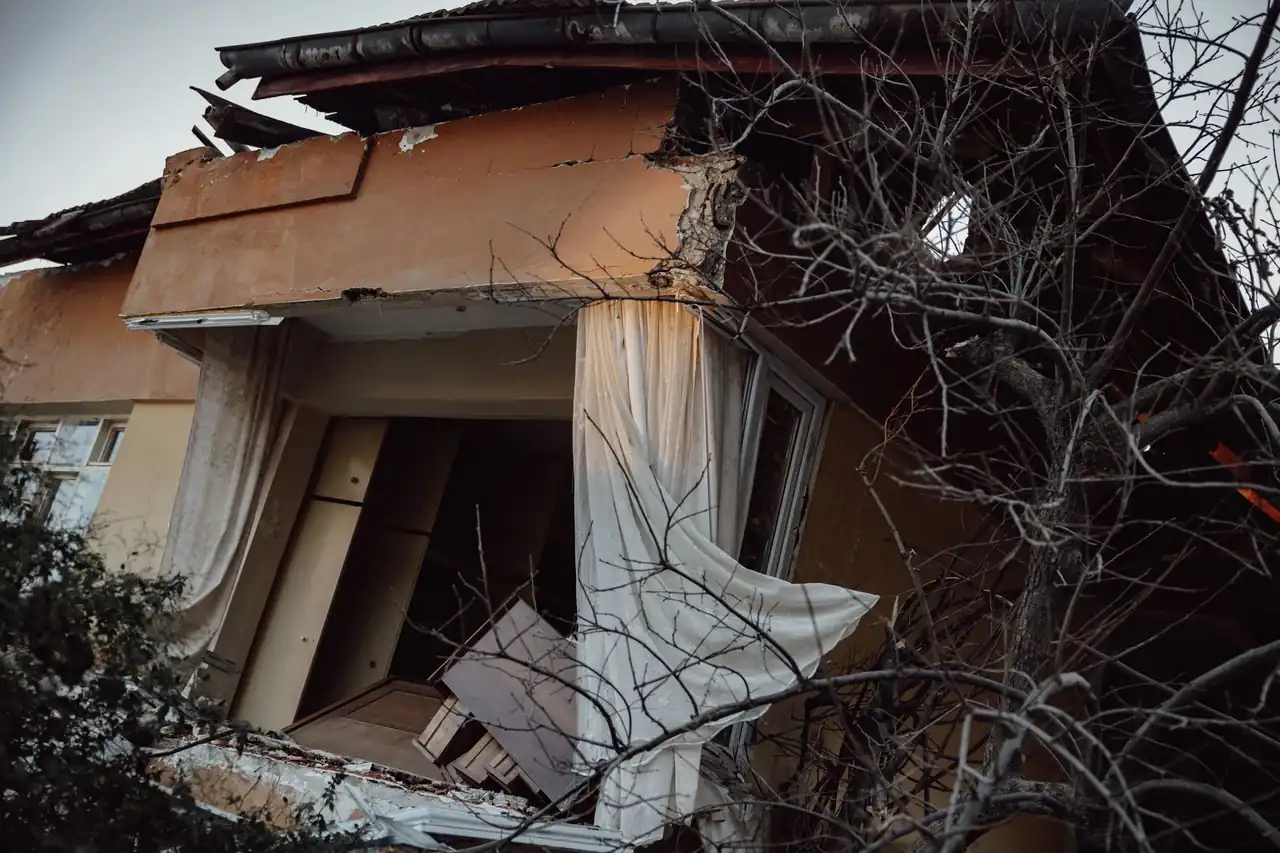
A supply line under our dish sink let go at 11 p.m. and flooded the kitchen and half the dining room. We called and a crew was here in about 75 minutes. They extracted the water, set up drying equipment, and logged moisture readings every day for four days. Our insurance adjuster said the documentation was the best he had seen. We reopened in six days.
A tenant's water heater failed on a Friday night and put two inches of water into a 4,000-square-foot warehouse bay. The team pumped it out, dried the concrete and drywall, and had us back to dry standard by Wednesday. They handled the moisture maps and photos for the claim. No drama, no surprise charges.
Storm water came in under our front door during a summer downpour and soaked the carpet and baseboards. They extracted the carpet, lifted it to dry the subfloor, and replaced two feet of wet drywall. The store was closed for three days instead of the two weeks I feared. They even matched the paint.
Most commercial water damage restoration jobs in Lake Worth Beach run $2,500 to $15,000, with larger warehouse or multi-tenant losses exceeding $25,000. The biggest cost drivers are affected square footage, water category, and how many days drying takes. Clean water from a burst supply line costs less than contaminated water from a sewer backup. We provide a written scope and pricing before work begins so you can compare it against your insurance coverage.
Extraction usually takes two to six hours, and structural drying runs three to five days for most commercial spaces. Total project time from first call to final moisture verification is typically four to seven days. If reconstruction is needed, add one to three weeks depending on materials and permits. We give you a day-by-day schedule after the initial inspection so you can plan staffing and reopening.
Yes. We answer calls 24/7 and dispatch crews for after-hours commercial emergencies, including burst pipes, sprinkler failures, and storm flooding. For most Lake Worth Beach commercial addresses, we are on site within 60 to 90 minutes. Night and weekend response matters because mold can start growing in 24 to 48 hours. The sooner we extract, the smaller the drying scope and the lower your total loss.
Most commercial property policies cover sudden and accidental water damage, such as a burst pipe or appliance failure, but exclude long-term leaks and flood unless you carry separate flood coverage. We document every job with moisture readings, thermal images, and daily logs to support your claim. We work directly with adjusters and can provide the scope and photos they need. Review your policy or call your agent to confirm your specific coverage.
Not seeing your question? Our local team can help you understand urgency, scheduling and what to expect.
Ask the local team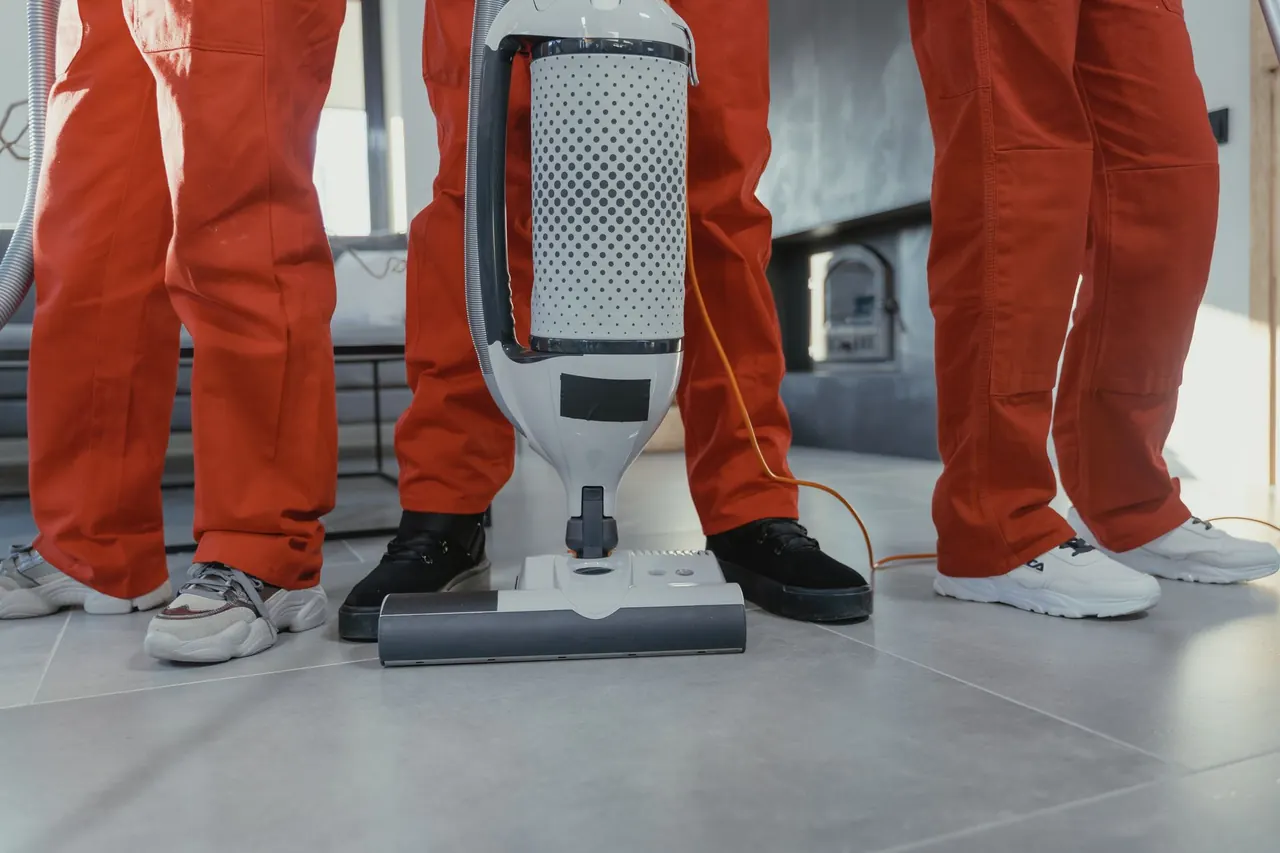
When a pipe bursts or a storm pushes water into your business, emergency water damage restoration is the first call. We dispatch 24/7, shut off the source, and start extraction immediately. For Lake Worth Beach commercial properties, that fast response limits mold growth and reduces the total drying scope.
View service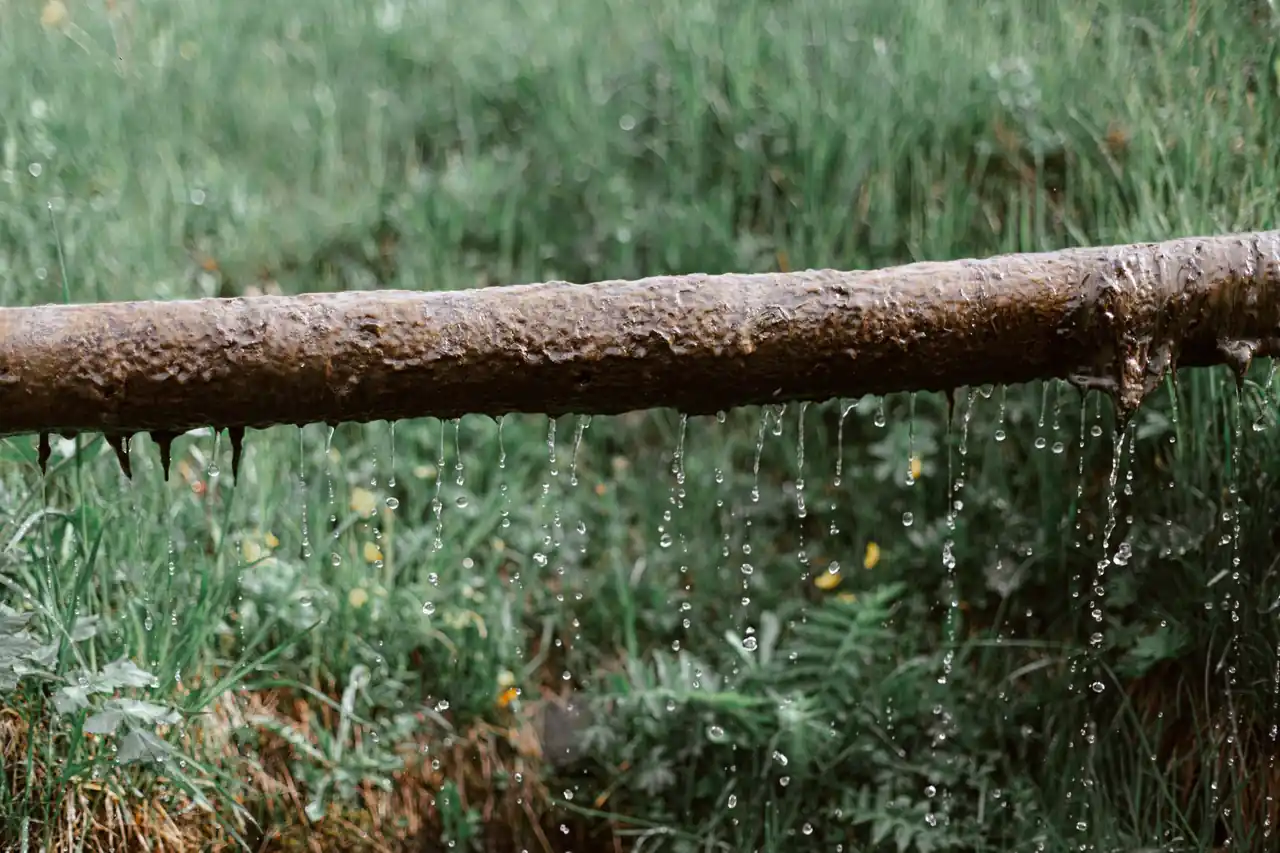
We also restore homes, condos, and townhouses across Lake Worth Beach. The equipment and standards are the same; only the scale changes. If you own both a home and a business, you get one company that knows your properties and your insurance history.
View service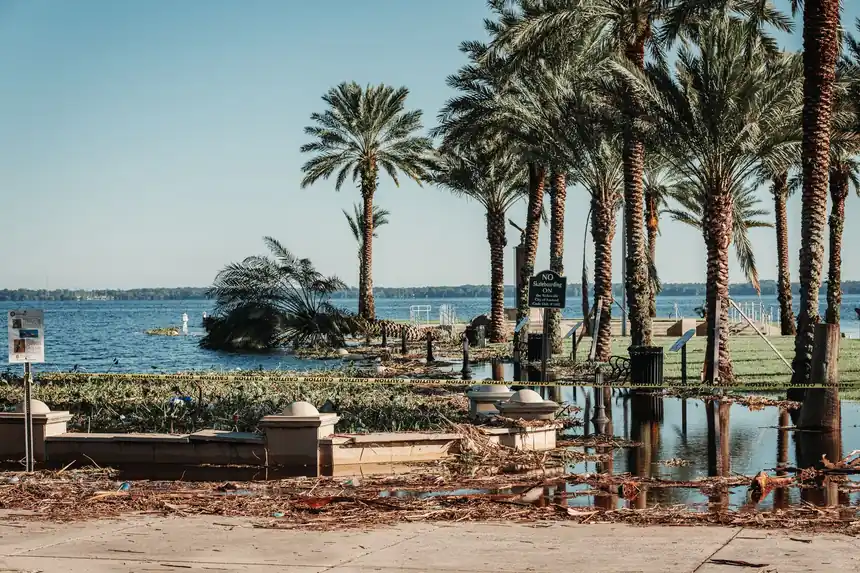
Standing water is removed with truck-mounted units and submersible pumps before drying begins. For commercial floors, we extract from carpet, concrete, and hardwood. A 3,000-square-foot retail floor with an inch of water typically extracts in two to four hours.
View service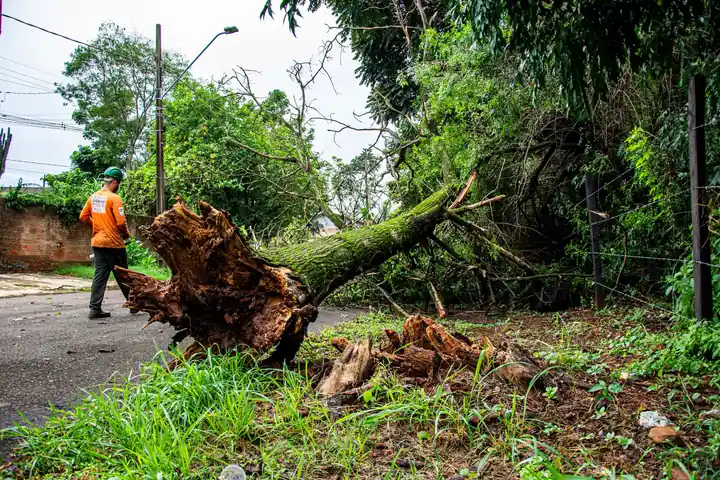
Flood water is contaminated and requires Category 3 handling, including PPE, antimicrobial treatment, and removal of affected porous materials. We handle flood water removal for Lake Worth Beach businesses after storms and storm surge events, then dry and document the structure for your claim.
View service
We answer the phone 24 hours a day, every day of the year. Call (561) 760-4158 and a technician will take your address, ask what happened, and dispatch a crew. Most Lake Worth Beach addresses see a truck within 60 to 90 minutes. If water is still running, shut the supply valve first, then call.