Focused arrival windows
Useful updates and clear arrival timing.
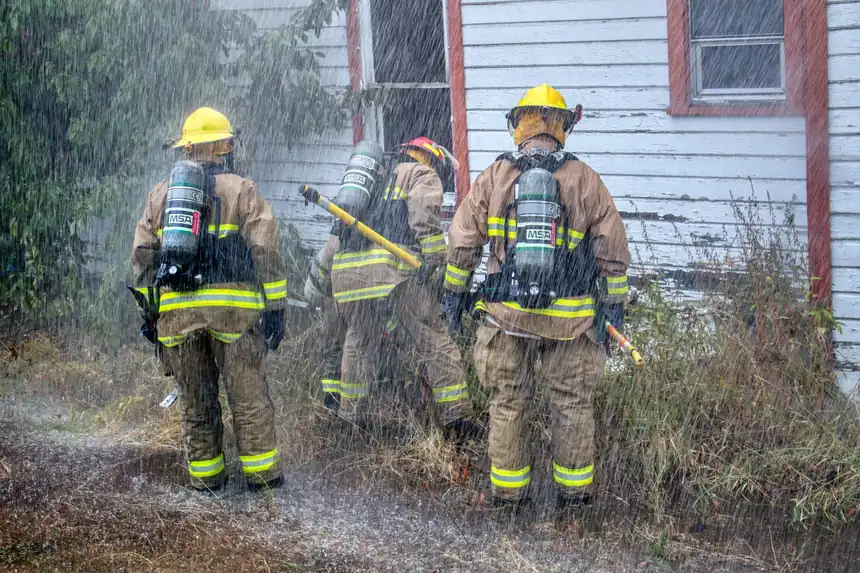
Carpet Water Extraction in Lake Worth Beach is the fastest way to stop a soaked carpet from turning into a mold job. If a pipe burst, your AC pan overflowed, or a storm pushed water through a slider, we pull the standing water, lift the pad, and dry the subfloor before the damage spreads. We work across Lake Worth Beach and respond 24/7.
Useful updates and clear arrival timing.
Review the approach and price before deciding.
Equipped vehicles and respectful cleanup.
Neighbors serving neighbors with follow-through.
Every carpet extraction job is different, but the core service is the same. We extract the water, pull the wet pad, dry the subfloor, and confirm the room is dry with meters. Here is what you get when you book us for Carpet Water Extraction in Lake Worth Beach.
We use pin meters and a thermal camera to find every wet spot under the carpet, in the pad, and in the subfloor. You get a clear picture of the damage before we start, and we check adjacent rooms for hidden moisture.
We run a truck-mount or portable extraction unit with a weighted wand. The weight compresses the carpet and the vacuum pulls water up from the pad. We repeat passes until the carpet is damp, not soaked.
If the pad is soaked, we pull it up and haul it away. Pad is inexpensive and it holds water against the subfloor. Removing it is the difference between a dry room and a mold problem three weeks from now.
We place air movers and a commercial dehumidifier to dry the subfloor and the carpet backing. The equipment runs continuously and we check moisture readings every 24 hours until the room hits dry standard.
Before we pull the equipment, we verify the carpet and subfloor are dry with a calibrated meter. You get a final report showing the readings, which is also useful if you are filing an insurance claim.
Share what is happening and receive a clear next step from the local team.
Carpet Water Extraction in Lake Worth Beach is not a shop vac job. Carpet holds water in three layers: the face fibers, the pad underneath, and the subfloor below that. A wet/dry vacuum pulls surface water but leaves the pad saturated. We use weighted extraction wands and truck-mount units that pull 95% of the standing water out of the carpet in a single pass, then we pull the pad, dry the subfloor, and set air movers and dehumidifiers to finish the job. If we skip the pad, you get a musty smell in three days.
Most calls we get in Lake Worth Beach come from the same handful of problems: a water heater in a hallway closet lets go, a washing machine supply line cracks, a toilet supply line fails overnight, or a hurricane pushes rain under a sliding door. The older homes near the Historic District and Parrot Cove have original terrazzo under the carpet, which actually helps drying. The newer builds west of I-95 have plywood subfloor and OSB, which soaks up water and swells if we do not get to it fast. If you are searching for emergency carpet water extraction near me in Lake Worth Beach, we are the crew that answers at 2 a.m.
You call (561) 760-4158 and describe what happened. We ask three questions: what leaked, how long ago, and is the water still running. We dispatch a crew immediately and tell you to shut off the water supply and kill power to any outlets near the wet area if it is safe to reach.
We arrive, walk the room, and map the moisture with a pin meter and thermal camera. We check the carpet, pad, subfloor, and the baseboards. We also check the room next door, because water travels under walls. You get a clear picture of what is wet and what is not before we touch anything.
We run a truck-mount or portable extraction unit with a weighted wand. The weight pushes the carpet down and the vacuum pulls water up from the pad. One pass pulls most of the standing water. We repeat until the wand stops pulling water and the carpet feels damp, not soaked.
If the pad is saturated, we pull it up and bag it. Carpet pad is cheap; mold is not. We cut the pad into manageable strips, haul it out, and inspect the subfloor underneath. If the subfloor is wet, we start drying it immediately with air movers and a dehumidifier.
We set air movers and a commercial dehumidifier, then check moisture readings every 24 hours. Most rooms hit dry standard in 2 to 4 days. When the carpet and subfloor read dry, we pull the equipment, give you a final moisture report, and tell you when to schedule new pad and re-stretch.

Pulls hundreds of gallons per hour from carpet and pad. We use it on most Lake Worth Beach jobs because it extracts deeper than a portable unit.
The weight compresses the carpet so the vacuum can pull water from the pad. One pass removes most of the standing water.
Shows us temperature differences that reveal hidden moisture behind walls and under carpet. We use it to map the full extent of the water.
Gives us exact moisture content readings in the carpet, pad, and subfloor. We use it to confirm when the room is dry.
Pulls moisture out of the air so the carpet and subfloor can dry. We size it to the room and run it until humidity drops below 50%.
High-velocity fans that push air across the carpet and subfloor to speed evaporation. We position them to create a circular airflow pattern.
We follow the IICRC S500 standard for water damage restoration, which sets the drying goals and moisture readings we use to confirm a room is dry. It is the industry benchmark and the standard insurance adjusters recognize.
We classify the water as Category 1, 2, or 3 before we start. Clean water from a supply line is Category 1. Toilet overflow or floodwater is Category 3. The category determines whether we can save the carpet or have to remove it.
We map every wet area with a meter and thermal camera before extraction. That map tells us where to focus the equipment and gives us a baseline to measure drying progress against.
We check moisture readings every 24 hours and adjust equipment placement as the room dries. We do not pull the equipment until the carpet and subfloor hit dry standard.
We shut off the water, extract from both rooms, pull the wet pad, and set drying equipment. We also check the closet and the wall behind the heater for hidden moisture. Carpet is dry in 3 days, pad replaced, and the hallway is back to normal without a mold problem.
We extract the water, check the walls and baseboards for wicking, and dry the carpet, pad, and subfloor together. We document everything for your storm claim. The room dries in 4 days and you have a moisture report to support your insurance claim.
We extract the water from the bathroom and hallway carpet, remove contaminated pad, and disinfect the area. We dry the subfloor and check the adjacent rooms. Carpet is saved, pad is replaced, and the bathroom is dry and disinfected within 3 days.
We trace the leak path with thermal imaging, extract the water, and dry the carpet and subfloor. We also check the cabinet base for swelling. The hidden moisture is removed, the carpet is saved, and the dining room is dry without a tear-out.
Lake Worth Beach has a mix of older homes and newer construction, and that changes how we handle carpet water extraction. The 1920s bungalows near the Historic District and Bryant Park often have pier-and-beam foundations with a crawl space underneath. Water that soaks the carpet can also drip into the crawl space, so we check both. The newer builds west of I-95 are slab-on-grade with plywood subfloor, which soaks up water and swells if we do not dry it fast. Summer storms and hurricane season push rain under sliding doors and window frames, soaking carpet near the exterior walls. We also get a lot of calls after winter cold snaps when a supply line in an uninsulated garage wall cracks. Our trucks carry extraction units, dehumidifiers, and air movers sized for both older and newer homes, so we do not have to wait on a second trip. If you need emergency carpet water extraction near me in Lake Worth Beach, we are already in the neighborhood.
Older bungalows with pier-and-beam foundations. We check the crawl space for water when the carpet is soaked near an exterior wall.
Mix of renovated homes and original construction. Many have original terrazzo under the carpet, which dries faster than plywood subfloor.
Mostly slab-on-grade homes built after 1980. Plywood subfloor soaks up water and needs fast extraction to prevent swelling.
Waterfront properties with higher flood risk. We check for saltwater intrusion and use appropriate drying methods for contaminated water.
Rain pushes under sliders and window frames, soaking carpet near exterior walls. We extract and dry the carpet and check the wall cavity for hidden moisture.
Wind-driven rain can soak carpet in multiple rooms. We handle the extraction and drying while you deal with the rest of the storm damage.
Supply lines in uninsulated walls can freeze and crack. When they thaw, water floods the carpet. We extract and dry before mold starts.
Homes near the water can have moisture wicking up through the slab. We use moisture meters to check the subfloor even when the carpet feels dry.
A 50-gallon water heater failed in a hallway closet and dumped water into two bedrooms. The carpet was soaked, the pad was saturated, and water had wicked up the drywall six inches.
We extracted 40 gallons, pulled the pad in both rooms, dried the subfloor and drywall, and saved the carpet. Moisture readings dropped from 28% to 11% in three days.
Maintenance: We recommended a drip pan and an annual flush to extend the life of the replacement heater. A $20 pan prevents a $2,000 carpet replacement.
A washing machine supply line cracked and ran for hours while the homeowner was at work. The laundry room carpet and the hallway were soaked, and water had reached the base of the kitchen cabinets.
We extracted the water, removed the wet pad, and dried the carpet, subfloor, and cabinet base. The room hit dry standard in two days. The homeowner avoided a cabinet tear-out.
Maintenance: We replaced the rubber supply hoses with braided stainless steel lines. Those cost about $25 and are rated to last far longer than rubber.
Wind-driven rain pushed under a sliding door during a storm and soaked the living room carpet. The homeowner did not notice for two days, and the pad had started to smell musty.
We extracted the water, pulled the smelly pad, treated the subfloor, and dried the room in four days. The carpet was saved and the musty smell was gone.
Maintenance: We suggested a door sweep and a tube of silicone around the slider track. That stops most wind-driven rain from getting under the door in the next storm.
Water in carpet creates problems you can see and problems you cannot. Here are the most common ones we fix for Lake Worth Beach homeowners.
Every step pushes water deeper into the pad and subfloor. The longer it sits, the more likely the subfloor swells and the pad has to be replaced. We extract the standing water with a weighted wand, pull the saturated pad, and dry the subfloor. Most rooms are dry in 2 to 4 days, and we save the carpet whenever it has been wet less than 48 hours.
That smell is mold starting in the pad or on the subfloor. Once it takes hold, you are looking at remediation costs that are far higher than extraction. We find the moisture with thermal imaging, extract the water, remove wet pad, and dry the assembly below 16% moisture content. That stops mold before it colonizes and removes the smell at the source.
Without documentation, your claim can get delayed or denied. Adjusters want moisture readings, photos, and a clear scope of what was wet. We photograph every moisture reading, document the extraction and drying process, and provide a report you can hand to your adjuster. We also bill most carriers directly so you are not fronting the full cost.
A shop vac pulls surface water but leaves the pad saturated. The carpet wicks moisture back up, and you are back to a wet floor within a day. We pull the pad, extract the water from the subfloor, and set drying equipment. That breaks the wicking cycle. A shop vac cannot reach the water that is trapped in the pad and subfloor.
$250 - $1,200 depending on scope
Carpet water extraction pricing in Lake Worth Beach depends on how much water is in the carpet, how many rooms are affected, and whether the pad needs to be replaced. Most single-room jobs run $250 to $500. A whole-floor extraction with pad removal and drying equipment runs $600 to $1,200. We give you a flat price before we start, and we bill most insurance carriers directly. If your claim is covered, you often pay only your deductible.
Extraction costs a fraction of what mold remediation or a full carpet replacement runs. Getting the water out in the first 24 hours is the single best way to keep the job small. We give you a flat price upfront and bill your carrier directly.
More carpet means more extraction passes and more drying equipment. A single bedroom is faster and cheaper than a whole first floor. We measure the affected area and price by the square foot.
If the pad is saturated, it has to come out. Pad replacement adds to the cost, but it is far cheaper than mold remediation. We use standard rebond pad and can match the thickness of what was there.
Clean water from a supply line is Category 1 and is the simplest job. Toilet overflow or floodwater is Category 3, which requires disinfection and often means the carpet cannot be saved. That changes the scope and the price.
Most rooms dry in 2 to 4 days. If the subfloor is thick or the humidity is high, it can take longer, which means more equipment rental days. We monitor daily and pull the equipment as soon as the room is dry.
We answer 24/7 and do not charge a premium for nights, weekends, or holidays. The price is the same whether you call at noon or 2 a.m. We would rather you call early than wait until morning.
We are a local crew, not a franchise call center. Our technicians are IICRC-trained in water damage restoration and have worked thousands of extraction jobs across Palm Beach County. We know how Lake Worth Beach homes are built, from the 1920s bungalows near Bryant Park to the newer construction west of Congress. That matters because a 1926 house with a pier-and-beam foundation dries differently than a 2005 slab-on-grade build. We carry the meters, the extraction units, and the drying equipment to handle both. When we say we will be there in 60 minutes, we mean it.
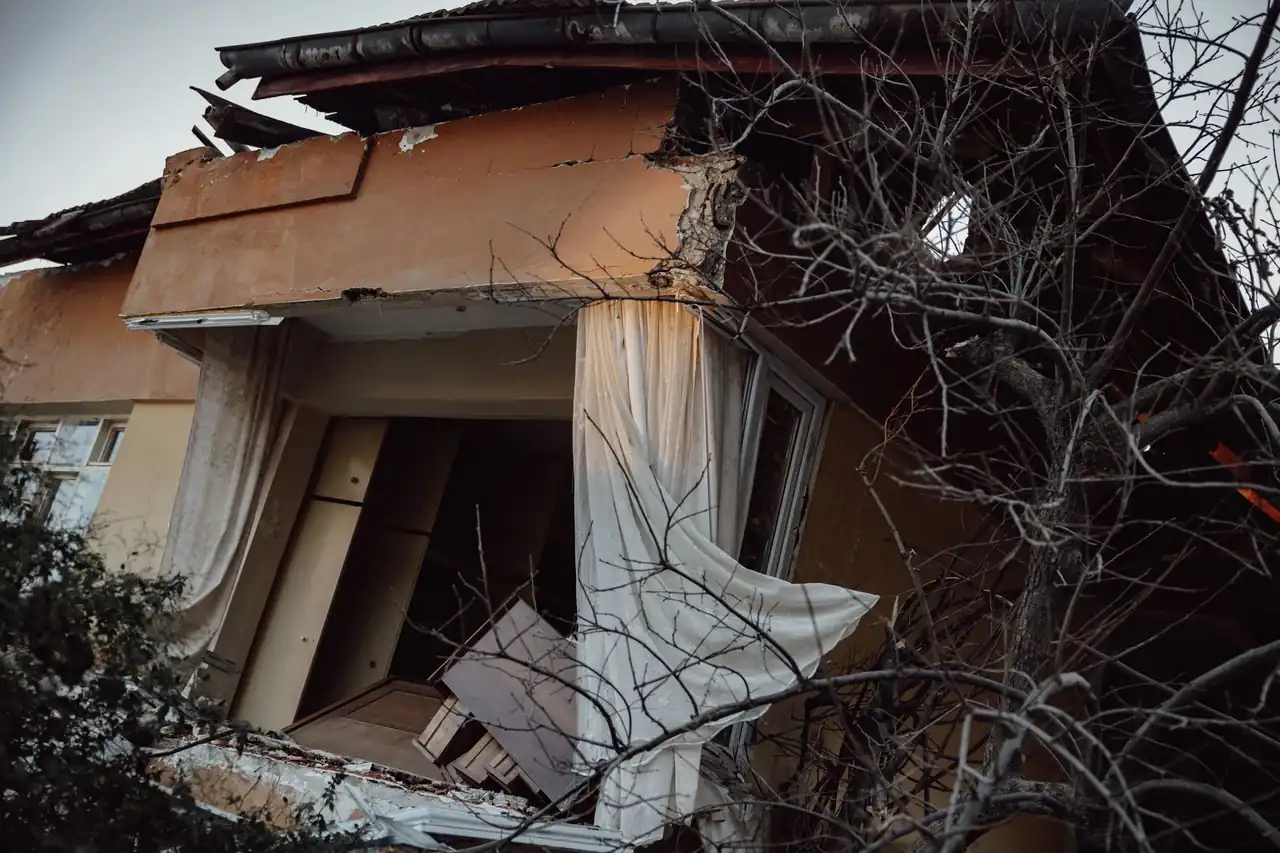
Our water heater let go on a Sunday morning and soaked the hallway carpet. I called and they were here in 40 minutes. They pulled the pad, extracted the water, and set up fans. Three days later the carpet was dry and you could not tell anything happened. They also handled the insurance paperwork for us.
A washing machine hose cracked and flooded the laundry room and half the hallway. The crew showed up at 11 p.m. and got right to work. They were straight with me about what could be saved and what had to go. The pad was trashed, but they saved the carpet. Fair price and no surprises.
We manage several rentals near the Historic District, and old plumbing means we get leaks. These guys are our first call. They extract the water, dry the unit, and document everything for the owner. I have used them four times now and they have never missed a dry-out deadline.
Most residential carpet water extraction jobs in Lake Worth Beach run $250 to $800 in 2026, depending on the square footage and how much pad needs replacing. A single room with minimal water is on the low end. A whole first floor with soaked pad and wet subfloor is on the high end. We give you a flat price before we start, and we bill your insurance directly if the claim is covered.
Carpet and pad typically dry in 2 to 4 days with our commercial air movers and dehumidifiers running. The first 24 hours do most of the work. We check moisture readings daily and will not pull the equipment until the carpet and subfloor hit dry standard. If the humidity stays high, it can stretch to 5 days, but that is rare in an air-conditioned home.
If we get to it within 24 to 48 hours and the water was clean, we can usually save the carpet and replace only the pad. Carpet that has been wet longer than 48 hours, or that was soaked with Category 3 water like sewage backup or floodwater, needs to be replaced. We will tell you straight which category you are in.
Most homeowners policies cover sudden and accidental water damage, which includes burst pipes, appliance failures, and supply line breaks. That coverage usually pays for extraction, drying, and pad replacement. Flood damage from rising water needs a separate flood policy. We document everything and bill your carrier directly so you are not waiting on a reimbursement check.
Not seeing your question? Our local team can help you understand urgency, scheduling and what to expect.
Ask the local team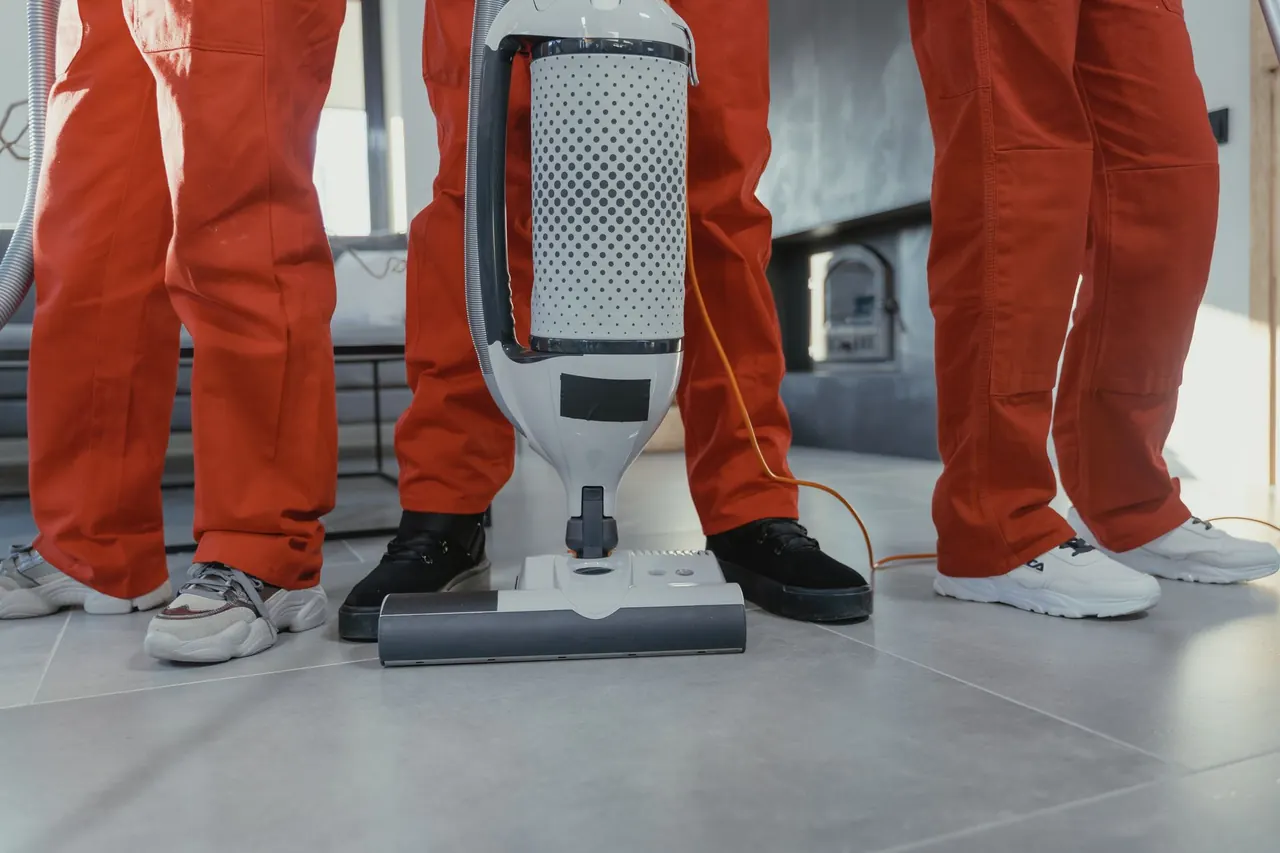
When a pipe bursts at 2 a.m., our emergency crew handles the whole job, not just the carpet. We shut off the water, extract, dry, and put your Lake Worth Beach home back together. One call covers it.
View service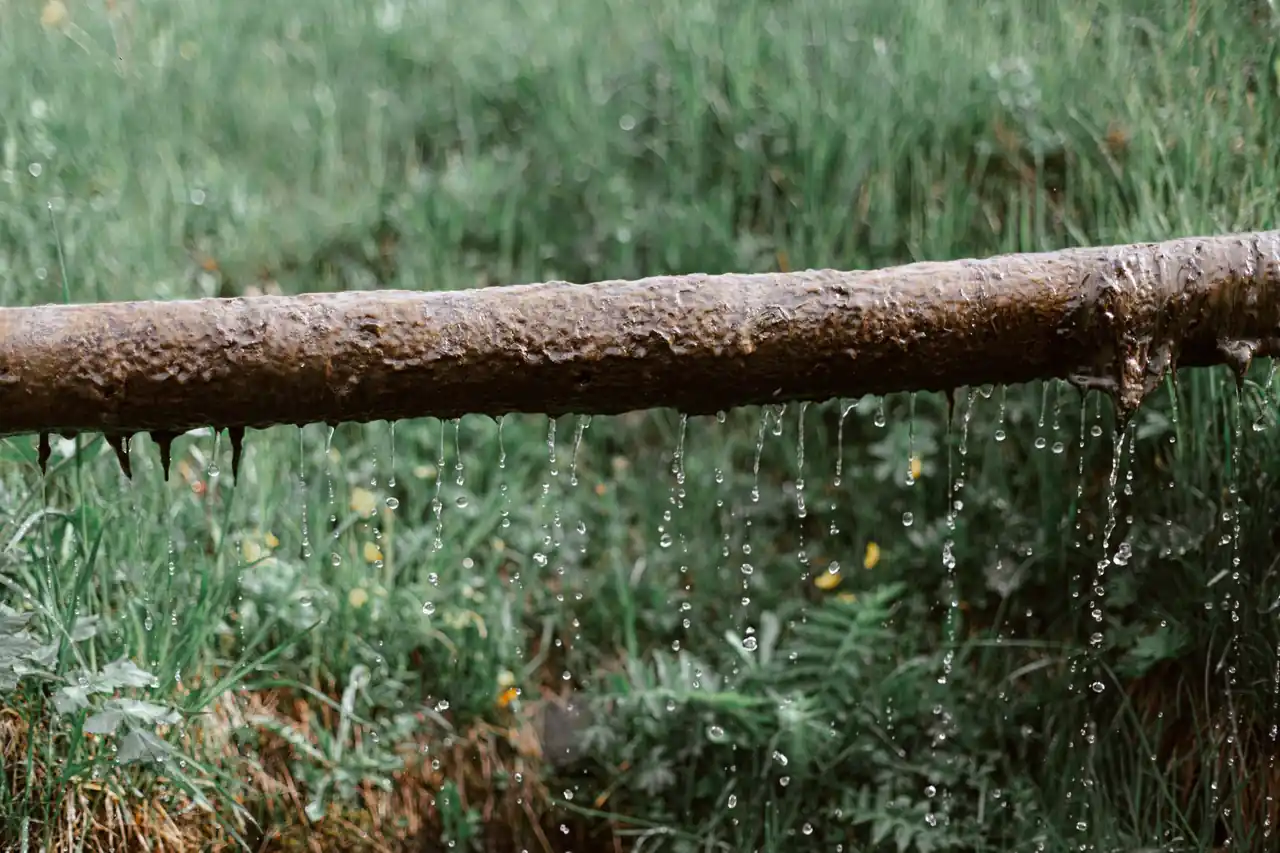
Homes in Lake Worth Beach have different water damage needs than commercial buildings. We handle single-family homes, condos, and townhomes with equipment sized for residential rooms and insurance paperwork that matches homeowner policies.
View service
If a supply line fails in your Lake Worth Beach storefront or office, we extract water from commercial carpet tiles and glue-down carpet fast. We work after hours to keep your business open and your downtime short.
View service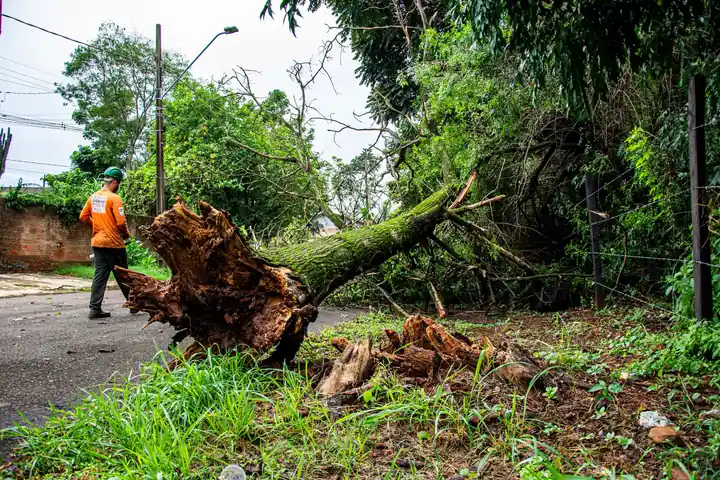
Standing water on your carpet needs to come out now. Our emergency extraction crews are on call 24/7 across Lake Worth Beach with truck-mount units that pull hundreds of gallons per hour from carpet and hard floors.
View service
We answer the phone 24 hours a day, every day of the year. Call (561) 760-4158 and a technician will take your address, ask what happened, and dispatch a crew. Most Lake Worth Beach addresses see a truck within 60 to 90 minutes. If water is still running, shut the supply valve first, then call.