How to remove standing water from a flooded garage safely
Standing water in your garage is a hazard and a mold risk. Here is the safe, step-by-step way to pump it out, dry the slab, and know when to call a pro in Lake Worth Beach.
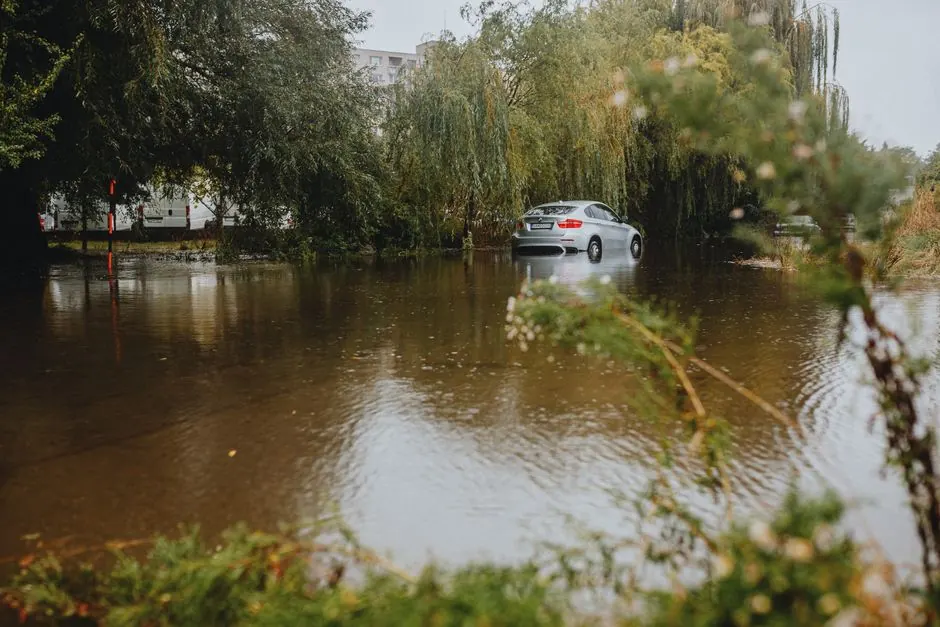
To remove standing water from a flooded garage safely, first kill the power to the garage at the breaker, then pump or wet-vac the water out in stages, and dry the slab and walls within 24 to 48 hours to stop mold. Never wade in if the water is deeper than a few inches or if you cannot confirm the power is off. What follows is the exact sequence we use on garage floods across Lake Worth Beach, from the first safety check to the final moisture reading.
A flooded garage is one of the most common calls we get after a heavy rain band stalls over Palm Beach County. The water itself is rarely the expensive part. The damage happens in the hours after, when it wicks into drywall, creeps under the slab edge, and starts feeding mold. If you handle the first six hours correctly, you usually save the structure.
Why a Flooded Garage Is More Dangerous Than It Looks
A flooded garage in Lake Worth Beach is dangerous because it combines three hazards at once: electrical shock, contaminated water, and hidden structural damage. Garage slabs sit at or below the level of the driveway, so water pools there first and stays longest. That standing water is not clean. It carries lawn chemicals, oil drips, road grime, and sometimes sewage backup from a surcharge in the city storm line.
Concrete is porous. A slab that looks dry on top can hold moisture two to three inches down for weeks. We have pulled baseboards in garages where the floor felt dry but the drywall behind it read 28 percent moisture on a pin meter. That is a mold nursery.
There is also the electrical reality. Garage circuits feed openers, freezers, chest freezers, and workshop outlets. Water plus a live 120-volt circuit is lethal. According to the Electrical Safety Foundation, contact with energized water is one of the leading causes of home electrocutions during floods. Treat every flooded garage as live until you have proven otherwise.
If your garage flood came from a storm surge or a backup through the city line, the water is classified as Category 3 - grossly contaminated. That changes the cleanup. You cannot just shop-vac it and call it done. For those events, professional Storm Water Damage Cleanup in Lake Worth Beach includes antimicrobial treatment and disposal, not just pumping.
Safety First: What to Do Before You Touch the Water
Before you touch anything, shut off the power to the garage at the main breaker panel. Do not stand in water while you do it. If the panel is in the garage or in a flooded area, call an electrician or our team - do not wade to it.
Here is the pre-work checklist we run on every garage flood:
- Kill the power. Flip the garage circuit and any subpanel feeding it. Tag the breaker so nobody turns it back on.
- Check for gas. If you smell rotten eggs, leave the house and call 911 before anything else.
- Photograph everything. Wide shots, then close-ups of the water line on the wall, damaged boxes, and any appliances sitting in water. Your insurance adjuster will want these.
- Put on the right gear. Rubber boots, nitrile gloves, and eye protection. If the water is Category 3, add an N95 or P100 respirator.
- Find the source. If water is still coming in, stop it first. A running hose bib, a failed water heater, or a backed-up floor drain all need to be shut off or blocked before you pump.
If the source is a broken pipe rather than storm water, the cleanup is different - and often smaller. A supply line failure is Category 1 water, which means it is treated as clean until it sits. We handle those with Burst Pipe Water Damage Cleanup in Lake Worth Beach, usually in a single visit.
Step-by-Step: How to Remove Standing Water From a Flooded Garage
The safe way to remove standing water from a flooded garage is to work from the deepest point outward, pull the bulk of the water with a pump or wet-vac, then squeegee the remainder toward the drain or door. Do not try to move more than about an inch of water at a time with a shop vac - you will burn it out and you will not keep up.
Step 1: Pump the bulk water
For anything over two inches, use a submersible utility pump. A 1/3-horsepower pump moves roughly 1,200 to 1,800 gallons per hour, which clears a typical two-car garage in 45 to 90 minutes. Set it in the deepest corner and run the discharge hose to the driveway, a French drain, or the street if your city allows it. Never discharge into a sink or toilet - you will just back it up into the house.
Step 2: Wet-vac the remainder
Once the water is down to a half inch or less, switch to a wet/dry shop vac. A 12-gallon unit pulls about 10 gallons before it needs emptying. Work in strips, and dump the tank into a utility sink or outside - not into a floor drain that may already be surcharged.
Step 3: Squeegee and mop
Use a floor squeegee to push the last film of water toward the garage door or a floor drain. Then mop with a mild detergent solution and clean water. If the water was contaminated, mop with a diluted bleach solution (1 cup of bleach per gallon of water) or a commercial antimicrobial, and let it sit for 10 minutes before rinsing.
Step 4: Pull wet items out
Cardboard boxes, rugs, particleboard shelving, and anything fabric that sat in the water needs to come out within a day. Cardboard and particleboard cannot be saved - they hold moisture and grow mold fast. Plastic bins and metal tools can usually be cleaned and dried.
If the water reached the walls, the drywall is now wet above the water line. That is a job for Wall Water Damage Drying in Lake Worth Beach, because drywall wicks water upward and the moisture hides behind the paint.
Drying the Garage After the Water Is Gone
Drying a garage in Lake Worth Beach takes longer than most homeowners expect because our average relative humidity sits between 70 and 80 percent for much of the year. Water that would evaporate in a day in Arizona can sit for a week here.
Here is the drying setup we use:
- Air movers: one per 10 to 16 linear feet of wet wall, angled at 15 to 45 degrees to sweep the slab.
- Dehumidifier: a refrigerant or desiccant unit sized to the cubic footage. A 70-pint residential unit is not enough for a three-car garage.
- Target numbers: get the slab and drywall below 16 percent moisture content on a pin meter, and keep the ambient relative humidity under 50 percent until it holds for 24 hours.
- Timeframe: 3 to 5 days for a typical garage flood, longer if the drywall is wet above 24 inches.
Run the air movers 24/7. Yes, the noise is annoying. Turning them off at night doubles your drying time and gives mold a head start. Mold can begin colonizing a wet surface in 24 to 48 hours, which is why the clock matters more than the equipment.
For larger garages or any flood that reached the living space, we bring in commercial Dehumidification Services in Lake Worth Beach with LGR units that pull 130 pints a day or more. That is the difference between a three-day dry and a two-week problem.
Common Mistakes That Turn a Small Flood Into a Big Repair
The most expensive garage floods we see are the ones where the homeowner did 80 percent of the job right and skipped the last 20 percent. Here are the mistakes that cost the most.
- Leaving the power on. Every year, people get shocked trying to save a freezer. Kill the breaker first. Nothing in the garage is worth your life.
- Pumping the water out too fast. If the flood is from a storm surge and the ground outside is still saturated, pumping the garage dry can cause the slab to heave or crack. Pump in stages and watch for new cracks.
- Skipping the walls. Drywall wicks water up 6 to 12 inches above the visible water line. If you dry the floor and ignore the wall, you get mold behind the baseboard in a week.
- Using a shop vac on deep water. A standard wet/dry vac is not a sump pump. Running it in three inches of water for an hour will kill the motor and leave you with a flooded garage and a dead vac.
- Closing the garage door to "keep the humidity out." You are keeping it in. Open the door, run fans, and let the space breathe while you dry.
- Not documenting before you clean. Insurance adjusters want photos of the water line before you mop it away. Take 20 photos. It costs you five minutes and can save you thousands.
One more: do not assume the water is clean. If it came in from outside, it is contaminated. If it backed up from a drain, it is contaminated. Treat it that way and you will not be breathing mold spores next month.
When to Call a Professional
Call a professional when the water is deeper than two inches, when it is contaminated (storm water, sewage, or anything from outside), when it reached the walls or any stored belongings, or when you cannot confirm the power is off. Those are the four conditions where DIY cleanup usually makes things worse.
We also get called when the garage has flooded more than once. A repeating garage flood is almost always a drainage problem - a failed French drain, a cracked slab edge, or a grading issue that pushes water toward the door. Pumping it out each time is treating the symptom.
Our team at Lake Worth Beach Water Damage handles the whole job: we extract the water, remove unsalvageable materials, dry the structure with commercial equipment, and verify with moisture meters before we pack up. If you want the full picture of what we do, start with Water Damage Restoration and we will walk you through it.
We also work with homeowners in the older neighborhoods near the Intracoastal, where 1950s block construction and original slab-on-grade floors hold moisture differently than newer builds. If your garage is in one of those homes, the drying curve is longer and the mold risk is higher. You can see how we handle those jobs across Residential Water Damage Restoration in Lake Worth Beach.
Frequently Asked Questions
How long does it take to dry out a flooded garage?
Three to five days with proper air movers and a dehumidifier. In Lake Worth Beach's humidity, a garage without mechanical drying can take two to three weeks and will likely grow mold. If the drywall got wet above 24 inches, add two more days.
Can I just use a shop vac to remove standing water from my garage?
Only for water under one inch deep. A shop vac pulls about 10 gallons before it needs emptying and will overheat if you run it in deep water. For anything over two inches, use a submersible pump first, then finish with the wet-vac.
Is it safe to walk in a flooded garage?
No, not until the power is off. Water conducts electricity, and garage circuits feed openers, freezers, and outlets. If you cannot reach the breaker without stepping in water, stay out and call an electrician or a restoration crew.
Will my homeowners insurance cover a flooded garage?
It depends on the cause. Sudden pipe bursts and appliance failures are usually covered. Flooding from outside - storm surge, rising water, or city drain backup - typically requires separate flood insurance through the NFIP or a private carrier. Photograph everything before you clean.
How do I know if mold is already growing in my garage?
Look for a musty, earthy smell, dark speckling along the baseboard or drywall seams, and any soft or bubbling paint. Mold can start within 24 to 48 hours of a flood. If you see or smell it, the drywall usually needs to come out.
Get Help With Water Damage Restoration in Lake Worth Beach
If your garage is still holding water, or if the flood came from outside and you are not sure what is contaminated, we can be on-site the same day. We pump it out, dry it down, and tell you honestly what can be saved and what has to go.
Call Lake Worth Beach Water Damage at (561) 760-4158 and we will get your garage dry before the mold does.